

By Katy Migiro
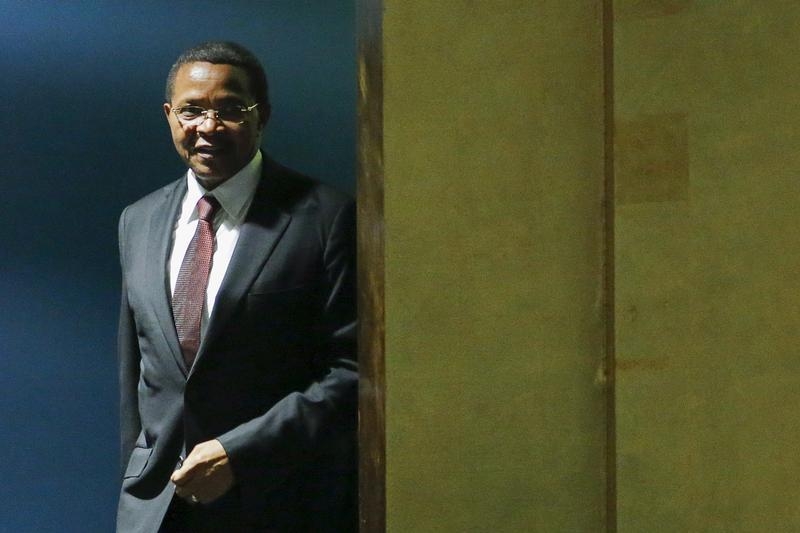
ARUSHA, Tanzania, June 7 (Thomson Reuters Foundation) – Jakaya Kikwete, the former president of Tanzania, recalled arriving at his cousin’s house to find the family arguing about taking their feverish teenage daughter to hospital.
“They were saying: ‘No, no, no, it’s not malaria’,” he said, describing how the family had sought advice from a traditional medicine man who said a jinni, or spirit, had invaded her body.
“They said: ‘If you take this girl to the hospital, if she gets an injection, then that jinni (spirit)… will… suck all her blood’,” Kikwete said.
Ignoring their protests, he took the girl to hospital but it was too late. She died from malaria.
Kikwete, who also lost his brother to malaria as a child, is committed to eradicating the disease, which killed an estimated 438,000 people globally in 2015 – making the mosquito, which transmits it, the world’s deadliest creature.
He and his wife even appear in television adverts, urging Tanzanians to prepare their bednets before they sleep.
“We are looking at 2040 as the most probable date for a malaria-free Africa,” Kikwete, who stepped down as president in November, told reporters at a recent dinner in Dar es Salaam.
“If we continue with the interventions that we have been doing here relentlessly, we should be able to get there.”