

By Kizito Makoye
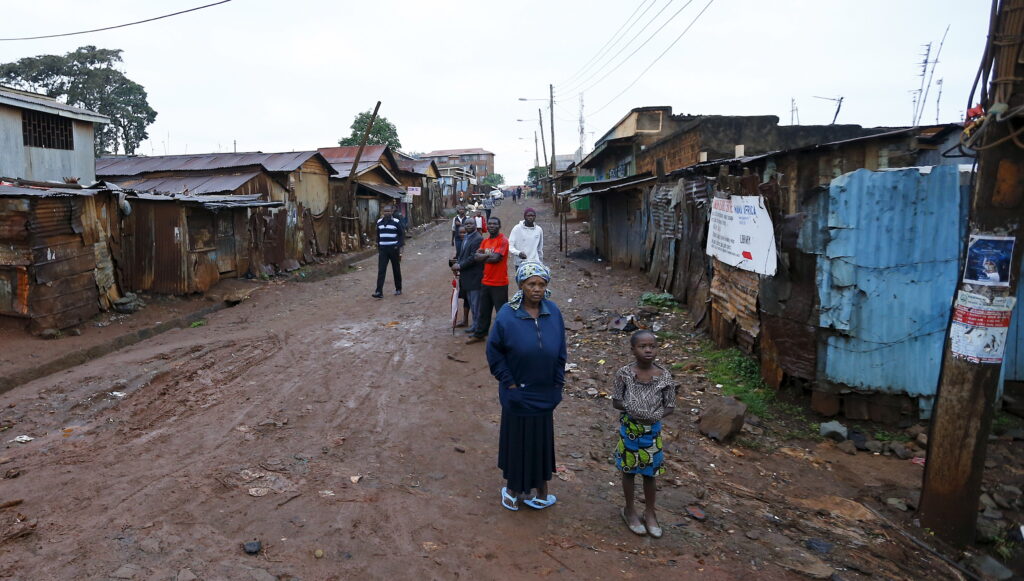
DAR ES SALAAM, Nov 24 (Thomson Reuters Foundation) – Ezekiah Mageni’s memory is still fresh of the flood that engulfed his home in Dar es Salaam’s Jangwani Valley slum a year ago – and left his family without a roof over their heads.
“I will never forget that terrible experience. I had to carry my children on my shoulders to save their lives,” said Mageni, a 34-year-old shop owner.
But for Mageni and other residents of Jangwani and nearby slums, the threat of flooding, lack of services and insecure tenancy are just part of life in Tanzania’s biggest city.
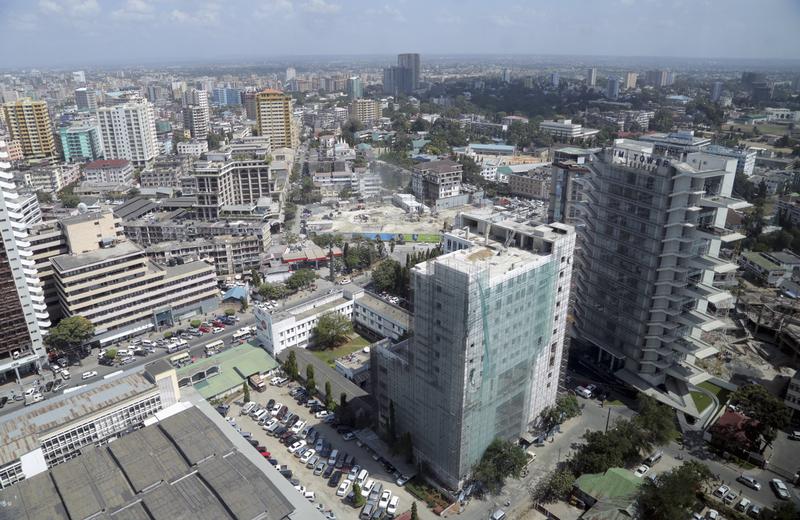
One of the fastest-growing cities in East Africa, Dar es Salaam has seen a huge influx of rural migrants in recent years, putting extra pressure on its strained housing supply and forcing poorer residents like Megani to move to the periphery.
The steep cost of building a home, the shortage of houses to rent and lack of a legal mechanism to regulate rent have allowed landlords to charge exorbitant rents in a city where almost 75 percent of residents are tenants, according to a 2011 housing study by the government.
“If you are an employee looking for a place to stay in Dar, God knows how much you would pay for it,” said Levina Chacha, a primary school teacher who also lives in Jangwani.
High rents push many residents to the brink of survival as many spend the lion’s share of their income on accommodation.
The average rent for a modest two-bedroom apartment in the city is estimated at 600,000 shillings ($275) a month – almost three times the national average – according to real estate agencies that track the market.
Chacha said young professionals who once had no worries about building their own homes have started to feel the pinch.
In turn, this pushes rents up, said Mustafa Ahmed, managing director of Rentex, a real estate marketing company.
“Fewer households are making the transition from renting to owning, which is pushing rental prices up,” he said.