

By Rina Chandran
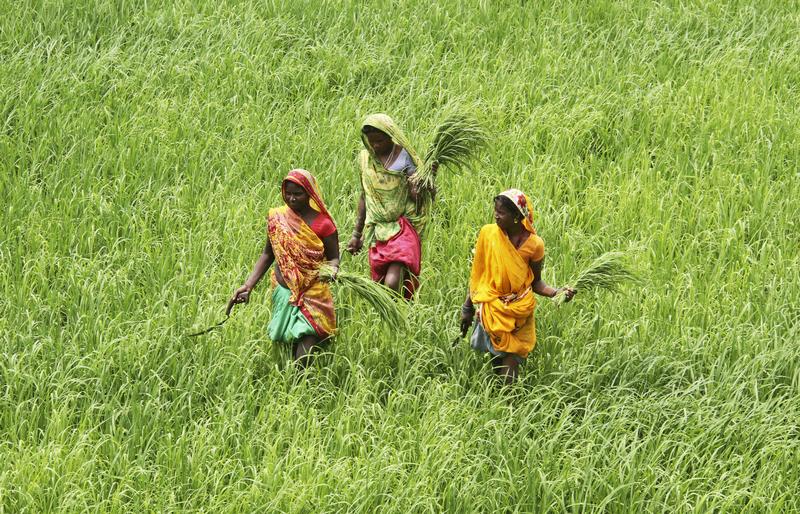
TAARDEH, India, Dec 29 (Thomson Reuters Foundation) – Anjali has worked on the land nearly all her life, first with her tenant-farmer parents, and then alongside her husband in the northern Indian state of Uttar Pradesh.
But she has never owned land – a right she has been denied by inconsistent inheritance laws and her community’s rigid custom that led her to believe only a man should own land.
Now, at 32, Anjali’s name will finally be on a title as joint owner of land allocated by the state, after months of petitioning local officials, and addressing age-old traditions and superstitions that deny women land ownership.
“It has never been our custom for women to own land, and I never thought that I would one day be a land owner,” said Anjali, who goes by one name, at a land-literacy meeting of advocacy group Landesa at a local school in Taardeh village.
“Having the title in my name means a lot to me: it means I have a say in what we do with the land, and my husband can’t throw me out or sell the land without my permission.”