

By Liz Mermin
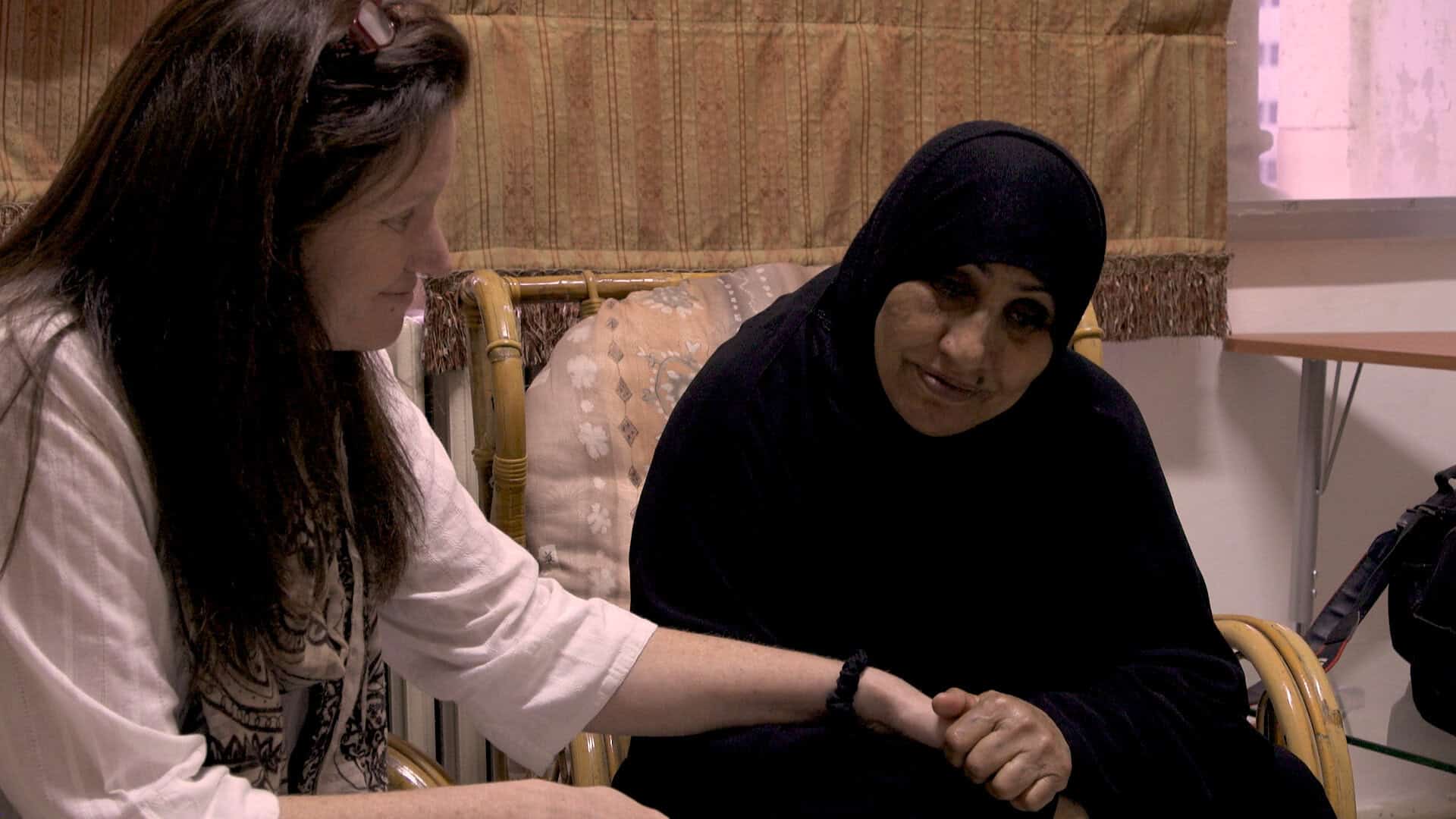
AMMAN, June 20 (Thomson Reuters Foundation) – Lawyer Jayne Fleming has just interviewed a pregnant torture survivor from Syria who fled to Jordan, having lost one of her small children in the war that has ravaged her country for more than six years.
The Syrian woman is severely traumatised and has no money to pay rent on the rat-infested house that she shares with her husband and three children in Amman, the Jordanian capital.
“There’s no shortage of cases that are serious,” Fleming, who works for the global law firm Reed Smith, told the Thomson Reuters Foundation in the windowless, lavender-walled room provided by charity Jesuit Refugee Services that serves as her base in Amman.
She leads the Reed Smith Refugee Protection Project, a mobile legal clinic offering free legal, psychological and social support to some of Jordan’s most vulnerable refugees – mostly from Syria, Iraq and Sudan.
One in 11 people in Jordan is a refugee, according to the U.N. refugee agency (UNHCR). Some 650,000 are Syrians, by far the largest group of refugees in the country of about 10 million people.
The project’s goal is to resettle clients to third countries where they can start their lives anew, said Fleming, who has been to Jordan 10 times in the past two years.
The team on this trip includes another senior Reed Smith lawyer from the United States, a young Egyptian judge and two Jordanian women who are employed by the project year-round.
“We find our team members from all over the world, and when I see someone who’s good, we grab them,” said Fleming.”
The team’s days are packed as it attends to clients who include victims of torture incapacitated by trauma, children with life-threatening or degenerative illnesses and survivors of rape or other forms of gender violence.
They want to move to countries that can provide support unavailable in Jordan, for example specialist medical care.
Many may not survive or be permanently disabled if they are not resettled, said Fleming.
“LIKE WINNING THE LOTTERY”
Their chances of being resettled through UNHCR’s resettlement programme, which relies on nations volunteering to accept a certain number of refugees from the overburdened countries in which they already have asylum, are slim.
“Getting refugee resettlement is like winning the lottery. It just almost never happens,” says Fleming.