

By Adela Suliman
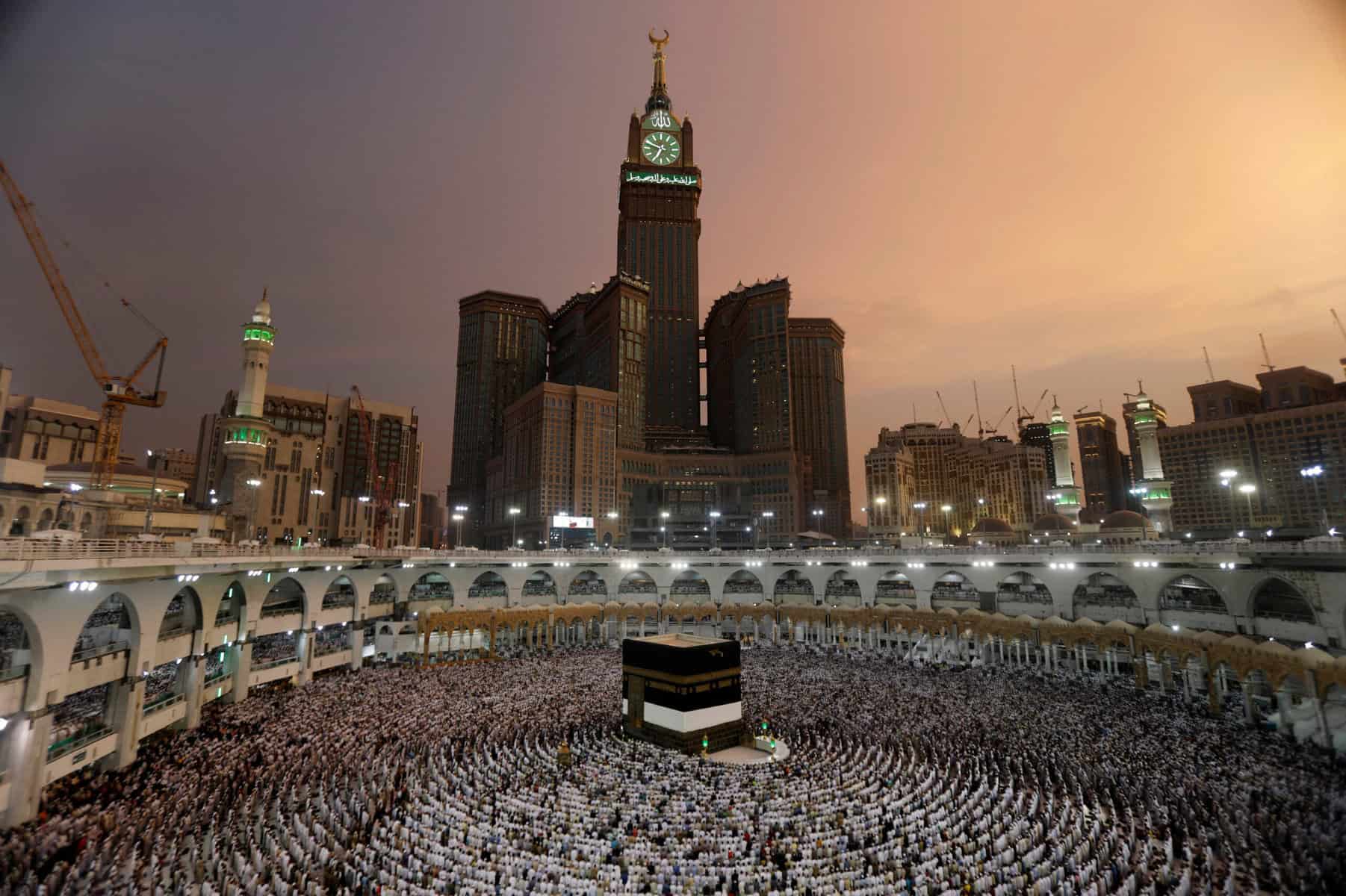
LONDON, Aug 30 (Thomson Reuters Foundation) – Some 2 million people are expected to travel across the globe to eat, sleep and pray in unison from Wednesday, as the annual Islamic pilgrimage of Haj gets underway in Mecca.
For billions of Muslims who are physically and financially able, Haj is a mandatory act of worship. But the religious celebration also has a substantial impact on the environment.
Environmentally aware worshippers say that should be reduced, while inspiring Muslims to adopt a greener lifestyle.
“Haj is all about living lightly and centring yourself around God,” 28-year-old pilgrim Shanza Ali told the Thomson Reuters Foundation from Mecca in Saudi Arabia. “We make many journeys in our life, and we go to many places, but this is the only journey that’s physical, mental and spiritual,” said Ali, who is chair of UK-based group Muslim Climate Action.
She has found many similarities between Haj’s message of simplicity and being environmentally conscious, and has tried to minimise her own carbon footprint and waste during the pilgrimage, which lasts for at least six days and takes worshippers to a series of holy sites in Saudi Arabia.
Haj, which predates Islam and is traced by Muslims to the monotheistic figure Abraham, is now the world’s largest annual gathering of Muslims. Saudi Arabia stakes its reputation on its guardianship of the faith’s holiest sites.
For Husna Ahmad, author of “The Green Guide for Hajj”, Muslims are doctrinally required to be stewards of the Earth.
Tackling climate change is no longer about preserving the planet for future generations as its effects are evident now, she said.
The majority of Muslims live outside Saudi Arabia and could collectively influence the greening of the sacred rituals, she added.
“Consumer power is something that people need to think about in terms of flights, what they take, what they wear, the rubbish they throw, plastic bottles and all those sorts of things. We have to be conscious of that,” she told the Thomson Reuters Foundation.
Muslims need to move away from a fast, disposable society, she added, with Haj being the potential start of that journey.
GREEN CITY AUDIT
In recent years, Saudi Arabia has taken steps to green the Haj, such as setting quotas for pilgrim numbers and developing the Mecca metro system to limit pollution.
The Saudi Green Building Forum, a Riyadh-based non-governmental group recognised by the United Nations, has recently been tasked with auditing green efforts in Medina, the country’s second holy city where the Prophet Mohammad is buried and a site visited by millions of pilgrims.
Forum secretary-general Faisal Alfadl said his team will measure the green credentials of the holy cities of Mecca, Medina and others against international guidelines on energy use, waste, water, transport and human well-being.
People now realise it is politically and culturally incorrect not to respect the environment, said Alfadl.
“We have moved forward,” he said, noting a shift in the public mood from desert Bedouins to city dwellers on the importance of protecting the environment, with the focus now on action rather than simply raising awareness.
Reviving traditional practices could help – for example, sharing water among pilgrims from a communal source, which was common before plastic bottles became ubiquitous.
And the white marble stones surrounding the central cube-shaped Kaaba building in Mecca naturally prevent the heat-island effect found in other urban areas, Alfadl said.
Recycling may not be at the top of pilgrims’ minds, but Muslims have a duty to recognise the creator of the environment and reflect on Islamic teachings not to harm animals, waste water or cut down trees unnecessarily, said Fatima Ragie of Green Deen South Africa, a Muslim environmental network.
Ragie, who completed Haj in 2009, urged greater efforts once the pilgrimage ends – for instance, ensuring food is not wasted when millions of animals are slaughtered, marking Abraham’s near sacrifice of his son and the start of the Eid holiday.
More mosques and Muslim leaders should also speak up about climate change and the environment, she said.