

By Rina Chandran
BANGKOK, April 25 (Thomson Reuters Foundation) – Parched Cape Town, in South Africa, has managed to push back its “Day Zero” – an estimate of when taps in the city could run dry – to 2019 after successful water-saving efforts.
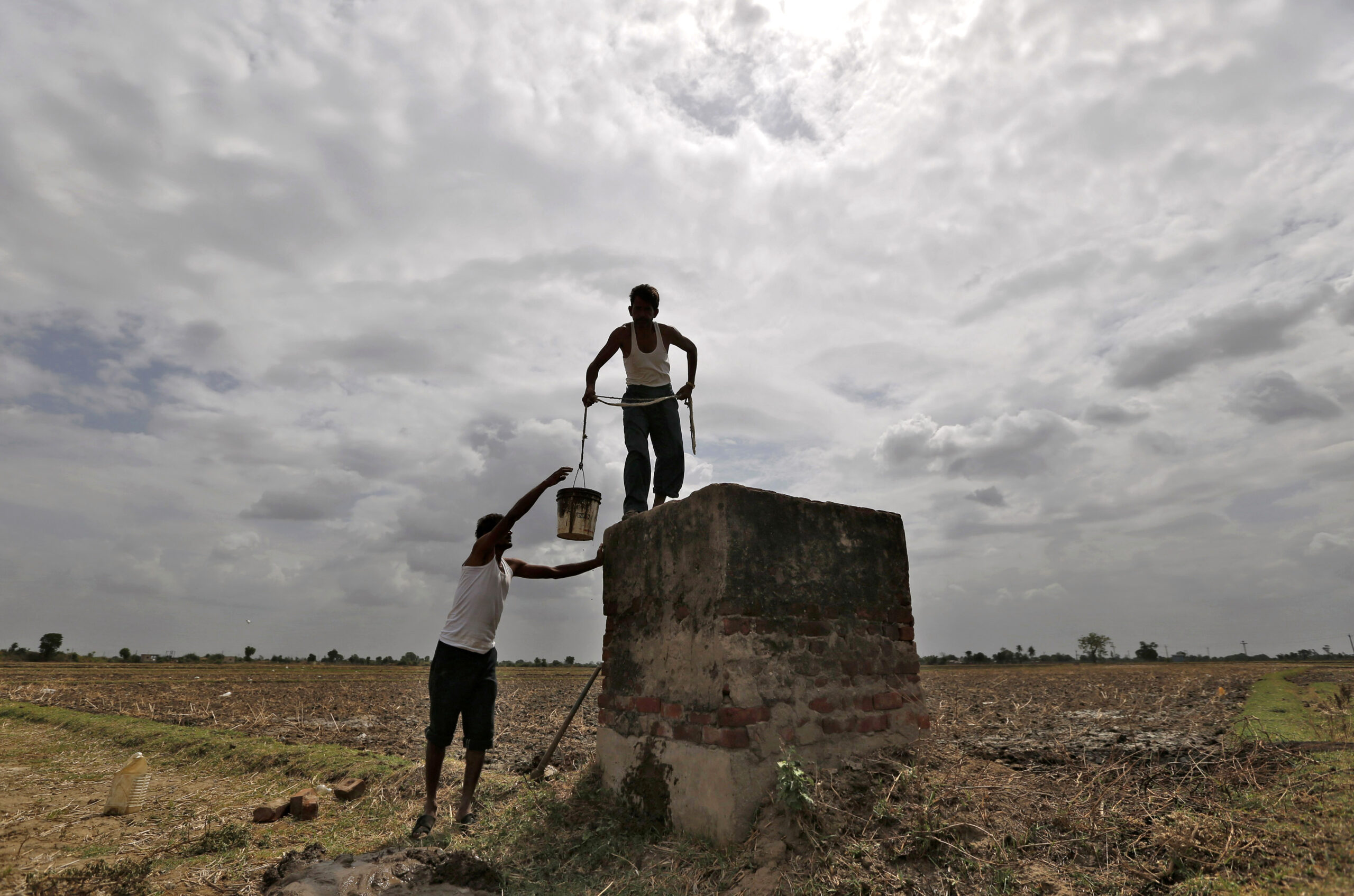
But in India, “Day Zero” has come and gone for residents in many parts of the country, where taps failed long ago and people have turned instead to digging wells or buying water.
An expanding population, growing demand for water from agriculture and industry, and poor management of water supplies have sent India’s groundwater to ever lower levels.
That reality, combined with rising temperatures, threatens worsening scarcity, experts say.
Nearly 163 million people among India’s population of 1.3 billion – or more than one in 10 – lack access to clean water close to their home, according to a 2018 WaterAid report.
That is the most of any country in the world, according to the UK-based charity, which aims to provide clean water and better hygeiene to people without them.
Disputes with neighbours over the sharing of water from rivers that cross national boundaries also means tensions are rising as water shortages grow, said Michael Kugelman, a deputy director and South Asia expert at the Wilson Center, a policy think tank in Washington D.C.
“Countries that get along the least are forced to share and cooperate over water resources, and many major rivers originate in, or pass through, politically contested and tense areas,” he told the Thomson Reuters Foundation.
“So you have population growth, intensifying climate-change impacts, poor water management and geopolitical tensions. It’s a perfect storm for greater water insecurity,” he said.
India is entangled in water disputes with its eastern and western neighbours – Bangladesh and Pakistan – which accuse it of monopolising water flows moving downstream toward them.
To the north and northeast, however, India fears a loss of water to upstream China, which plans a series of dams over the Tsangpo river, called the Brahmaputra as it flows into eastern India.