

By Josiane Kouagheu
DOUALA, Cameroon, May 28 (Thomson Reuters Foundation) – Sitting on a stool outside her wood-plank house in Cameroon, indifferent to the light rain falling, Diane described how she killed her five-year-old “sorcerer” son.
They boy had suffered from episodes of severe pain his whole life, and was weak and thin, she said. As is the custom in the Central African country, she and his father consulted traditional healers known as marabouts about what to do.
“Madam, your child is a sorcerer,” they said. “He came into the world to torture you. He will die one day,” recalled Diane, who asked not to be identified by her real name. The marabouts told her it was useless to seek medical help.
So on a Thursday morning in February last year, at the rooster’s crow, she suffocated her son with an old pillow.
“I kept the pressure on like in movies and he died,” she told the Thomson Reuters Foundation, with no sign of remorse.
“I killed my child because he was going to die anyway. Before, he was suffering greatly. Now he is at peace.”
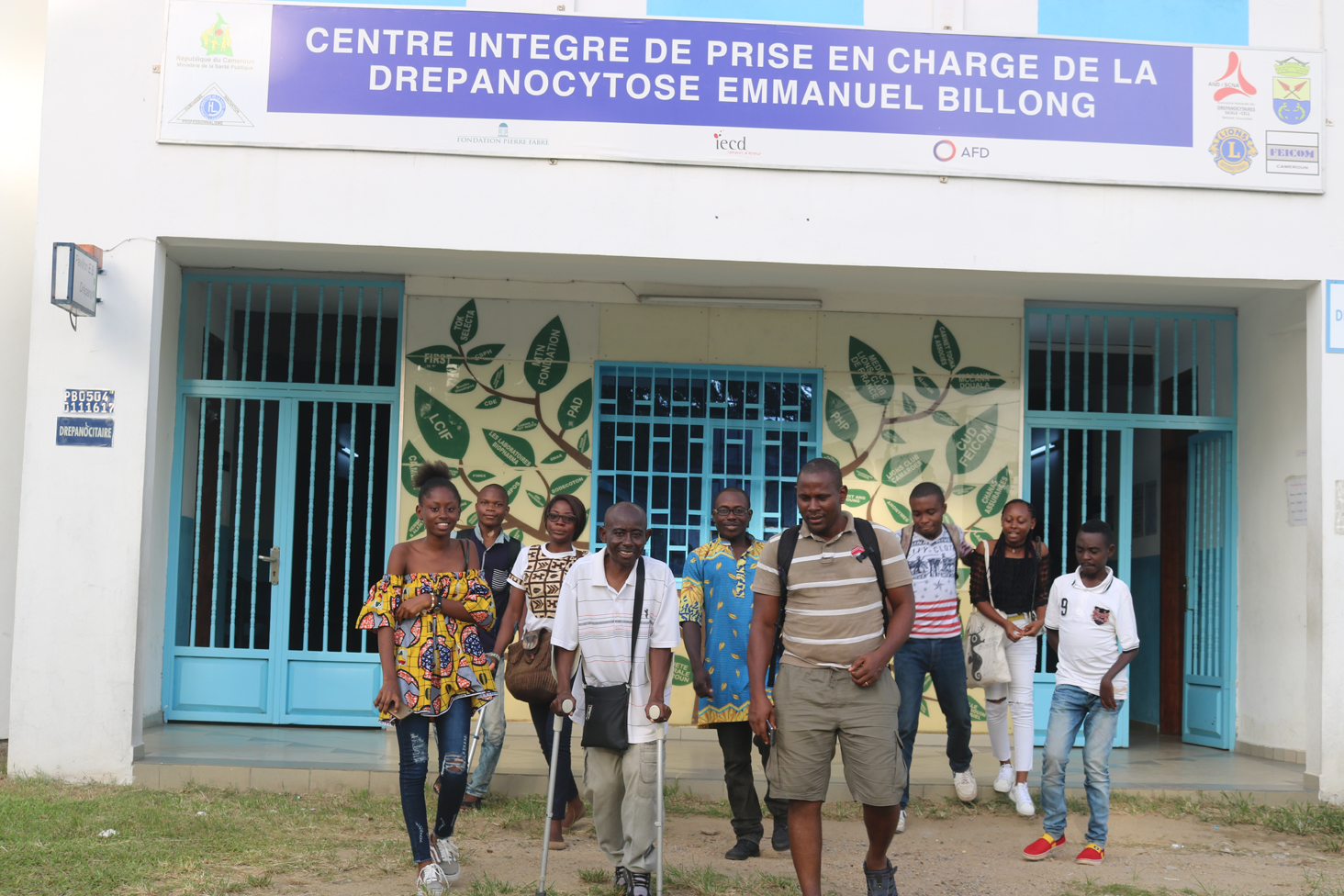
What the boy really suffered from was sickle-cell disease, a genetic condition that causes abnormally shaped red blood cells and a variety of complications. It can be treated but not cured.
Diane had learned that she and her partner carried the disease trait during a hospital visit with their first child, who died. But she believed the marabouts over the doctors.
“They told us we couldn’t have more children because we would give them the disease. It was false. The marabouts showed us that sickle-cell children came into the world to torture us and spend all our money,” said the frail 32-year-old.
It took seven months for Diane to agree to tell her story, on the condition that her real name and location not be revealed.
Of the 19 people with sickle-cell disease the Thomson Reuters Foundation interviewed for this story, 16 said they were called “sorcerers” and “devils” as children, abandoned by their fathers and subjected to “demystification” rituals that could have killed them.
Eleven mothers said they believed their children were sorcerers.
“In Cameroon, sickle-cell disease is synonymous with discrimination, the disease of shame, something mystical,” said Fernand Tekoua, president of the national association of people with sickle-cell disease.
“It is ingrained in habits and in society. Even the family thinks you are worthless and just waiting for your day to die,” he said.