


By Sophie Hares
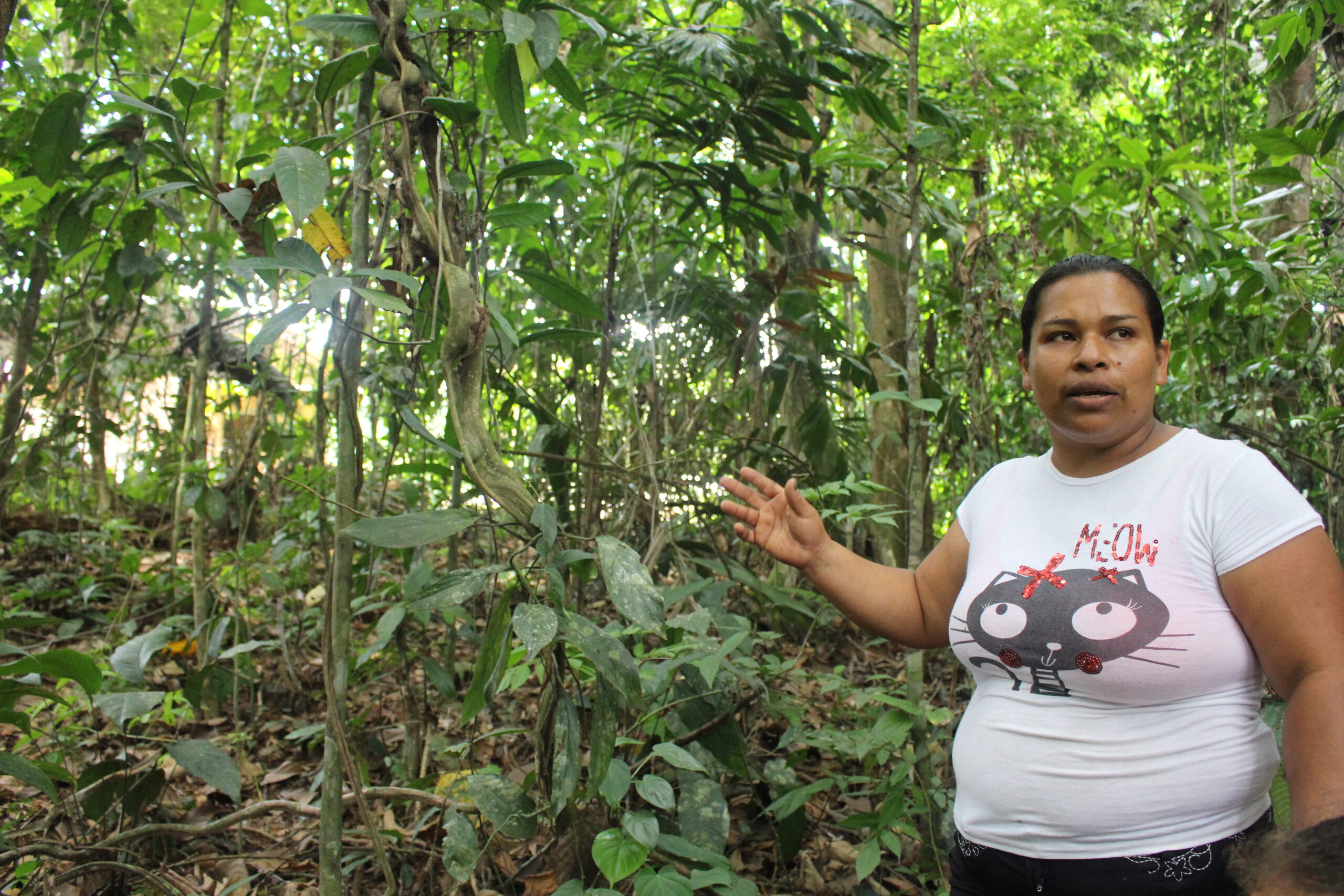
BRIBRI, Costa Rica, June 18 (Thomson Reuters Foundation) – To treat snake bites, bathe in a tea brewed from yellow button-shaped flowers, advises Melissa Espinoza Paez as she describes the medicinal properties of Costa Rica’s jungle plants, pointing out towering vines used to combat kidney problems.
In the lush mountains close to the Panama border that make up the Bribri indigenous territory, Espinoza hopes the country’s first certified indigenous tour agency can deliver a bigger slice of income from ecotourism directly to local women.
“When other agencies brought tourists to our territory, sometimes they’d give a small amount to the people here, but it wasn’t really the value of their work,” said Espinoza, 38, indicating a green dart frog trying to hide in the undergrowth.
“We’re giving a tourism experience that is truly cultural… We are trying to live a more dignified life,” she said at the Siwakabata farm near Bribri town, some 220 km (140 miles) southeast of the capital San Jose.
Based in Talamanca canton, one of the poorest in Costa Rica, the recently licensed Talamanca Indigenous Bribri Tour Guides Association (AGITUBRIT) wants to ensure the financial benefits start to trickle down to local families, said Espinoza.
Alongside medicinal plant and gastronomy tours, hiking, jungle and river trips are run through a network of indigenous guides who stamp their cultural identity on the expeditions.
Costa Rican tourists, who often have little knowledge of indigenous culture, as well as Europeans, have so far made up the visitors who come to find out more about the relatively isolated Bribri people.
Tourists often stay with local families in thatched wooden houses to absorb Bribri traditions and learn the language, while some make appointments with traditional doctors who prescribe plant-based medicines.
Home to dense jungles and cloud forests teeming with wildlife, Costa Rica has become one of the world’s best-known ecotourism destinations. A quarter of its territory is now national parks or protected reserves.
But while ecotourism offers an incentive to protect the biodiversity that pulls in visitors, there has been less success in channelling benefits to those who provide services and protect the local environment, say some in the industry.
“The tourism sector in general is still learning how to deal with the social factors,” said Saul Blanco Sosa, a sustainable tourism specialist with the Rainforest Alliance conservation group. “Dealing with people is more complicated than dealing with natural reserves.”
Tour companies need to think about ways to become more socially responsible and inclusive, and avoid disrupting communities with their activities, he added.