

By Karla Mendes
SAO PAULO, Aug 16 (Thomson Reuters Foundation) – Once a proud symbol of resistance to racial segregation, a shabby square in Sao Paulo’s dilapidated downtown now testifies to a new chasm – between Brazil’s housed and many homeless.
Half a million families in Sao Paulo have nowhere to live, a crisis that forced some to set up home in abandoned downtown buildings, many of them fire hazards unsafe for human habitat.
Now a huge blaze at a prominent high-rise overlooking the historic downtown square has shed light on the crisis and just how long it will take to solve.
“The city would take about 120 years to zero its housing deficit,” housing secretary for the city of Sao Paulo, Fernando Chucre, said in an email to the Thomson Reuters Foundation.
Sao Paulo’s City Hall says 474,000 new, affordable homes are needed to cover the shortfall and more than a century to erase it, given the current pace of construction and housing budget.
The most populous city in South America, Sao Paulo has undergone rapid population growth as Brazilians deserted the countryside seeking work, but it has never built to keep up.
Census data shows that about a third of the city’s 12 million residents were not native born.
Many cannot find a flat they can afford.
In May, a 26-storey, abandoned police building occupied by homeless families was engulfed in flames and collapsed, killing at least six people.
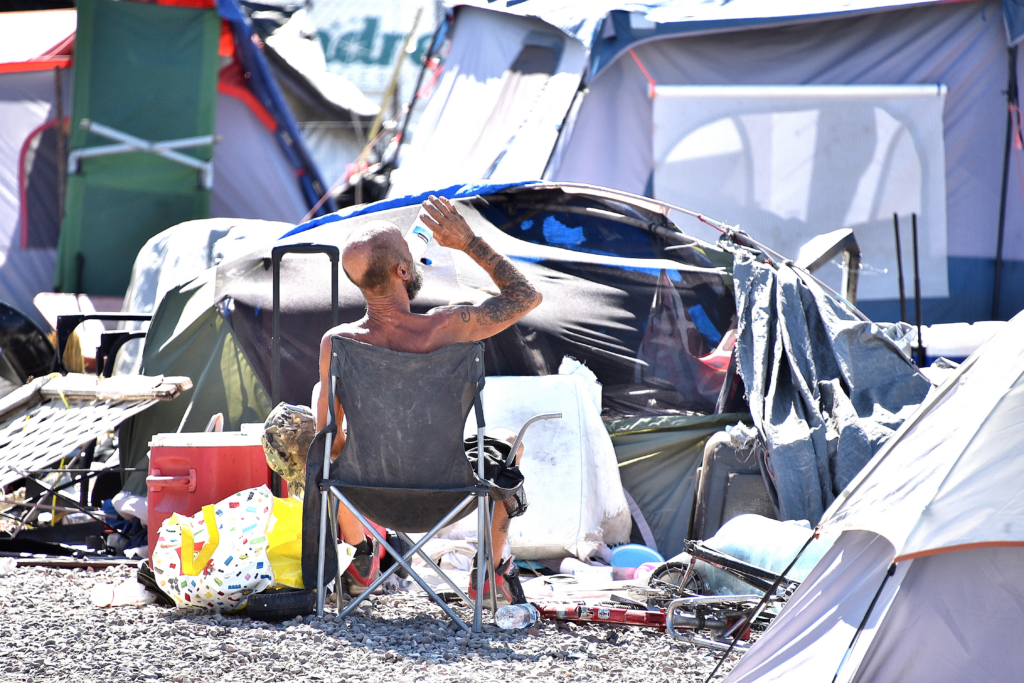
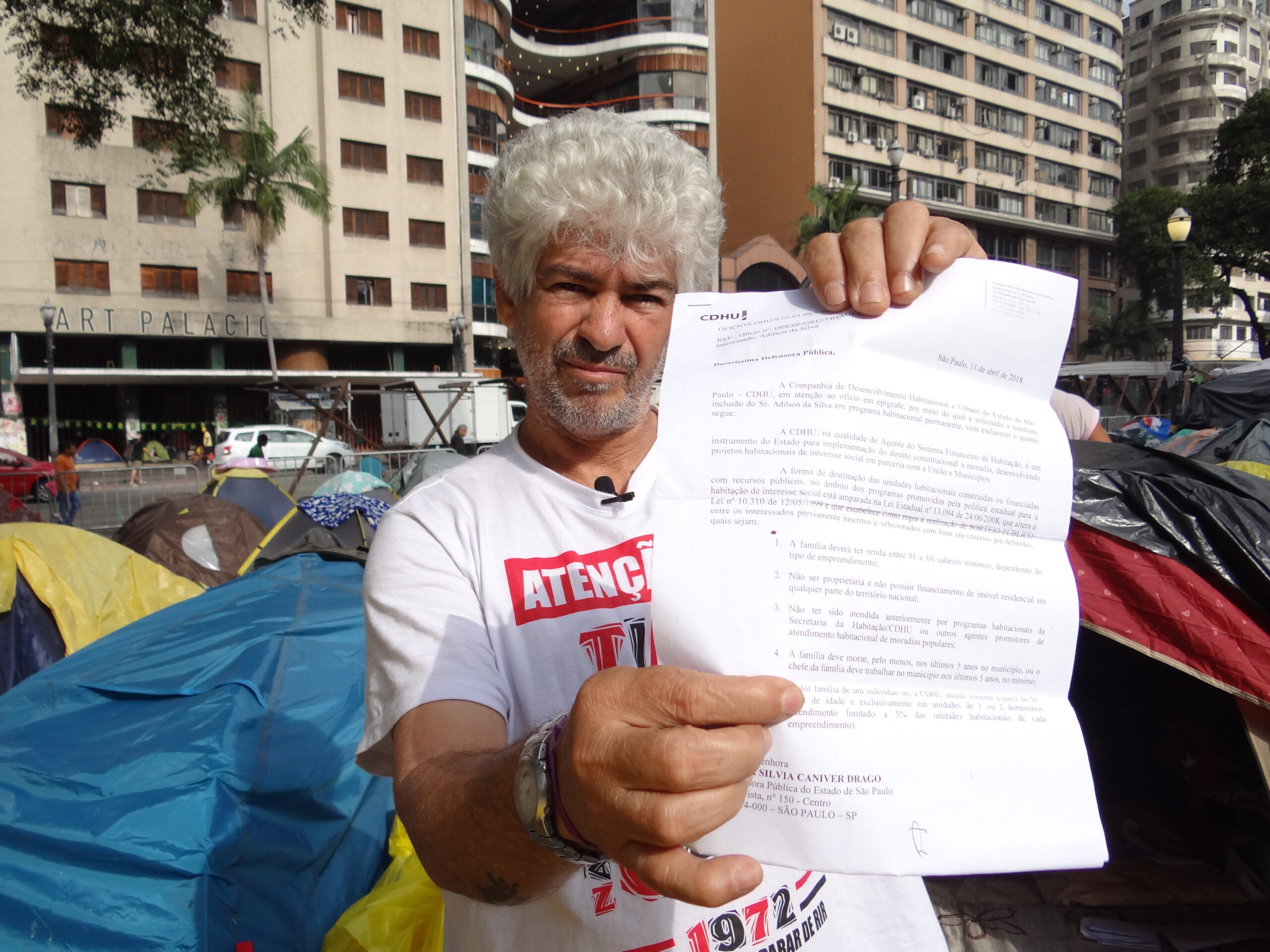
Its residents were reduced to sleeping nearby under canvas.
“I lost everything I got in the last two years. I had just bought my plasma TV, which was my dream,” said clerk Fabiana Ribeiro da Silva Santos in tears.
Santos, 38, lived in the building for two years, paying about $80 per month to a building manager working on the squatters’ behalf.
About 130 families slept for three months in tents outside the square’s canary-yellow church – once a meeting place for blacks forbidden to enter other places of worship – until many left or were moved to public shelters on Aug 10.
Most were driven to the tent city by fire; others joined in solidarity. While the families slept rough, their meals came from donations. There were no showers, just chemical toilets.