


By Inna Lazareva
Imizamo Yethu, South Africa, Jan 23 (Thomson Reuters Foundation) – When she woke up to her neighbours’ shouts outside, Lundy’s three-year-old toddler was already choking with the smoke that had seeped into their shack in Imizamo Yethu settlement on the outskirts of Cape Town, South Africa.
“I just took my baby and ran away,” said Lundy, who declined to give her full name, recalling the 2017 fire – one of the worst to hit the seaside city, dubbed South Africa’s “fire capital” – which left her and about 15,000 others homeless.
After taking her child to hospital to treat him for smoke inhalation, Lundy went home to find everything had burned down.
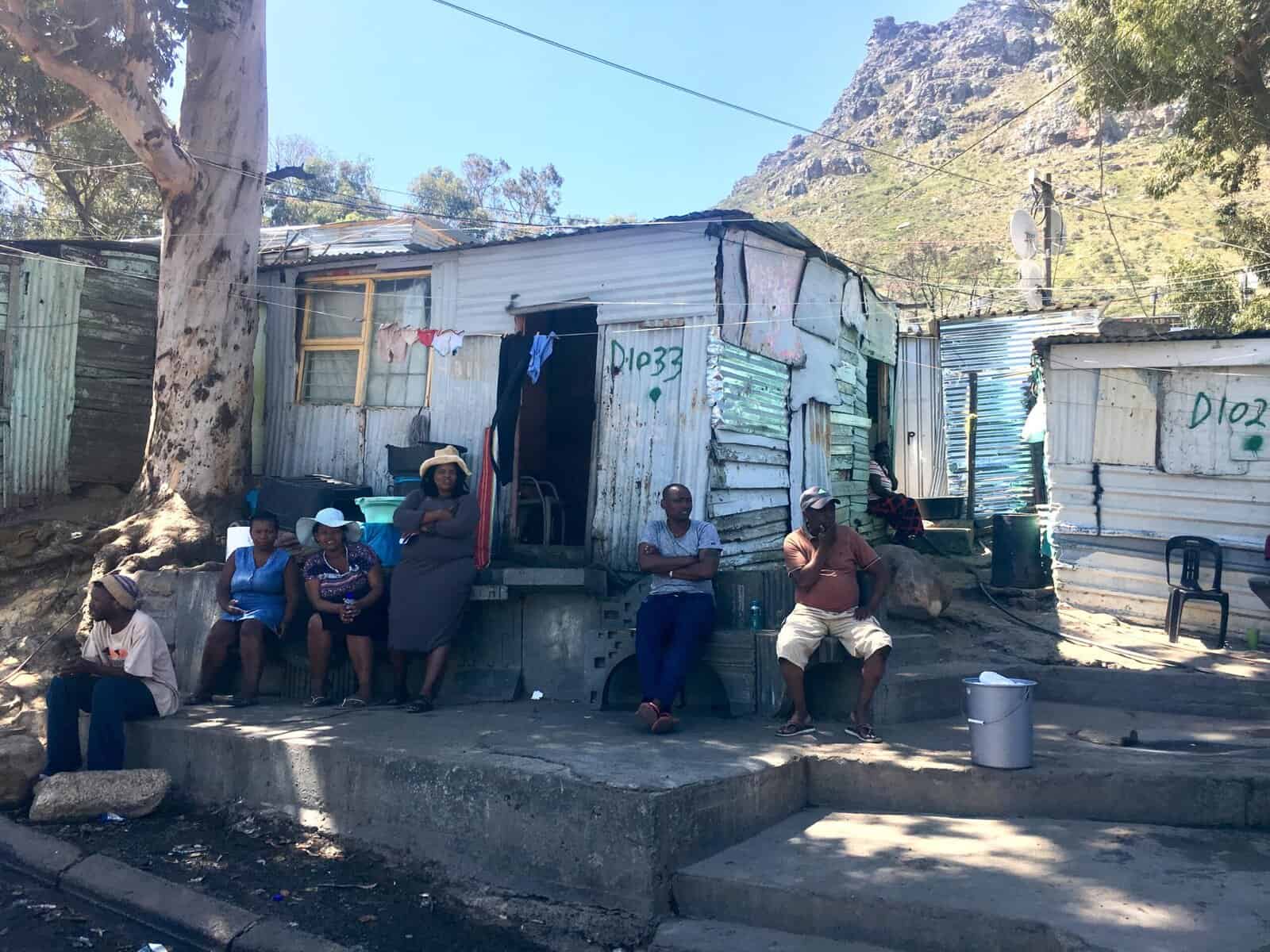
Devastating fires occur with alarming frequency in South Africa’s tightly-packed slums where shacks are built next to unpaved paths too narrow enough for a car, never mind a fire engine, to pass through.
More than 5,000 fires break out in South Africa’s informal settlements each year, according to official data, often caused by people using open flames for cooking, lighting and heat, or by faulty electrical appliances.
Lumkani, a team of South African entrepreneurs, has developed two innovations to save both lives and homes: an alarm to alert residents to danger and insurance to help those who lose their property to get back on their feet.
The value of losses to fires in informal settlements is increasing every year, reaching almost 180 million rand ($13 million) in 2017, according to the Fire Protection Association of Southern Africa.
“The real solution to shack fires is end of shacks,” said Francois Petousis, one of four-year-old Lumkani’s co-founders.
“But ultimately you need these interim solutions,” he added, as fires trap people in “extreme cycles of poverty”.
He described how a colleague was fired from his previous job in a fast-food restaurant for being absent for five days after his home burned down. It took him 18 months to get another job.
“That cycle (of poverty) needs to be broken … Life is unbearable enough in informal settlements as it is,” he said.