

By Rina Chandran
BANGKOK, Feb 11 (Thomson Reuters Foundation) – The fate of a large green space in the middle of one of the world’s most built-up cities is pitting communities and conservationists against developers and cash-strapped authorities in a battle that is increasingly common in Asia.
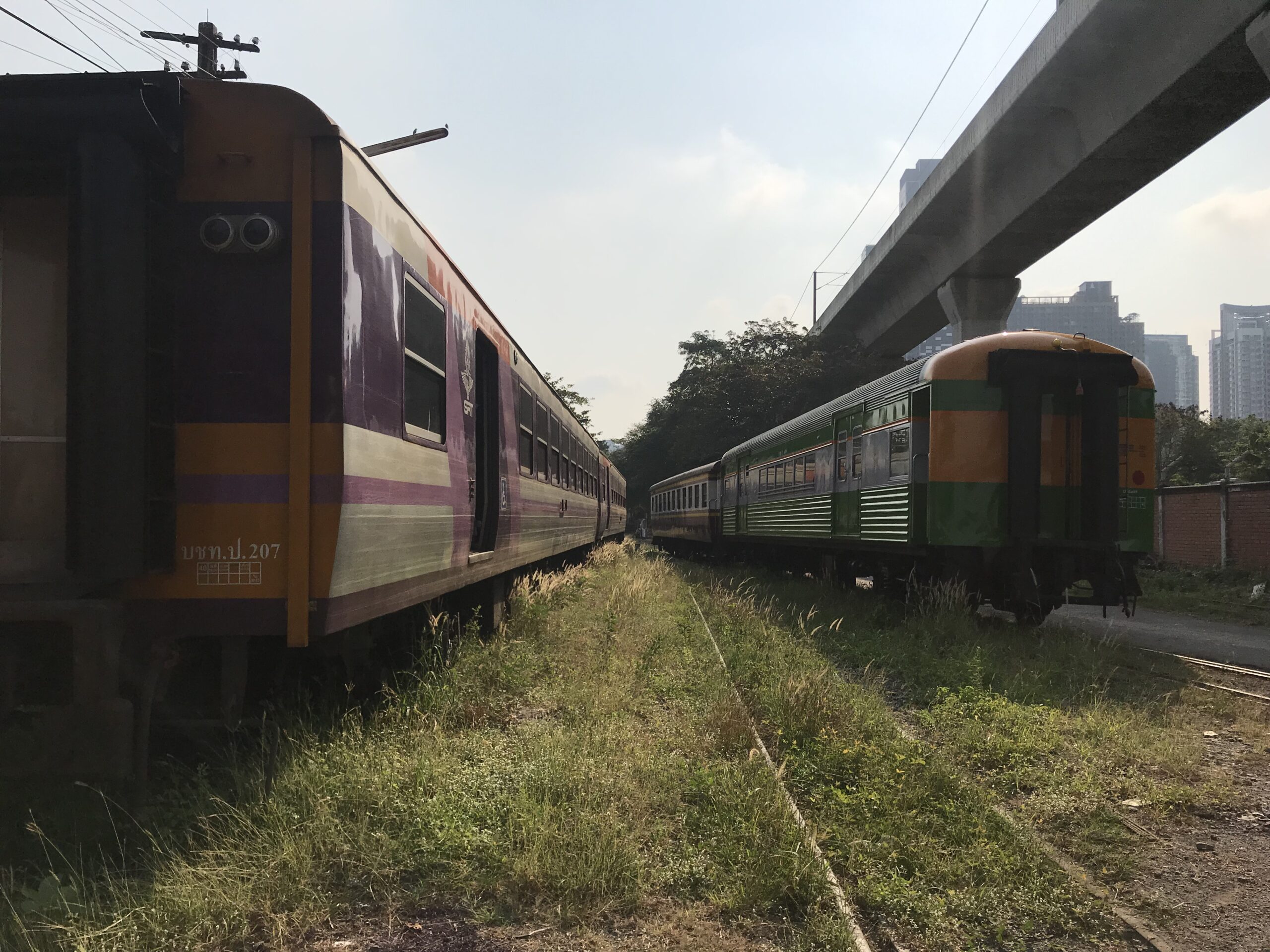
The Makkasan area in central Bangkok, measuring about 80 hectares – or roughly 80 rugby fields – houses a train station, a workshop, warehouses and some homes in a green expanse that stands in contrast to the sleek high-rise buildings all around.
Debates around the Makkasan land – owned by the State Railway of Thailand (SRT) – have raged for years as it is the final remaining open space in a city with too few parks.
“It is the last big space we have in Bangkok, and our last opportunity to create a big green space for the people. We must not waste it,” said Pongkwan Lassus, an architect and designer.
“Besides the space, many of the buildings have historic and architectural value. We must conserve this heritage for future generations, not knock it all down for malls,” she said.
Across booming Asian cities, open spaces and older buildings are making way for expressways and modern office and apartment towers that critics say rob them of their character, widen inequalities and magnify the harmful effects of urban sprawl.
Last year, a community of more than 300 people living next to an old fort in Bangkok were evicted and their traditional wooden buildings razed to make way for a public park that critics say is meant only to impress tourists.
Authorities are also clearing vendors and food stalls from the pavements, and removing shops and shanties along the Chao Phraya river in a bid to modernise Bangkok.
Civic groups say the evictions and redevelopment plans mostly target poor communities who have no formal rights over the land or spaces they occupy in the congested city.
Authorities say they are removing encroachers to improve accessibility and liveability for residents.
That promise is being tested as a plan for Makkasan’s redevelopment is finalised.
“We have asked a consultant to study the best use of the land, and we will decide accordingly,” said Siriphong Preutthipan, a deputy governor of SRT.
“We are aware of the various demands for green space, a museum and commercial developments. We will consider all of them and see what makes best sense, the best use of the land,” he told the Thomson Reuters Foundation.