

By Anuradha Nagaraj
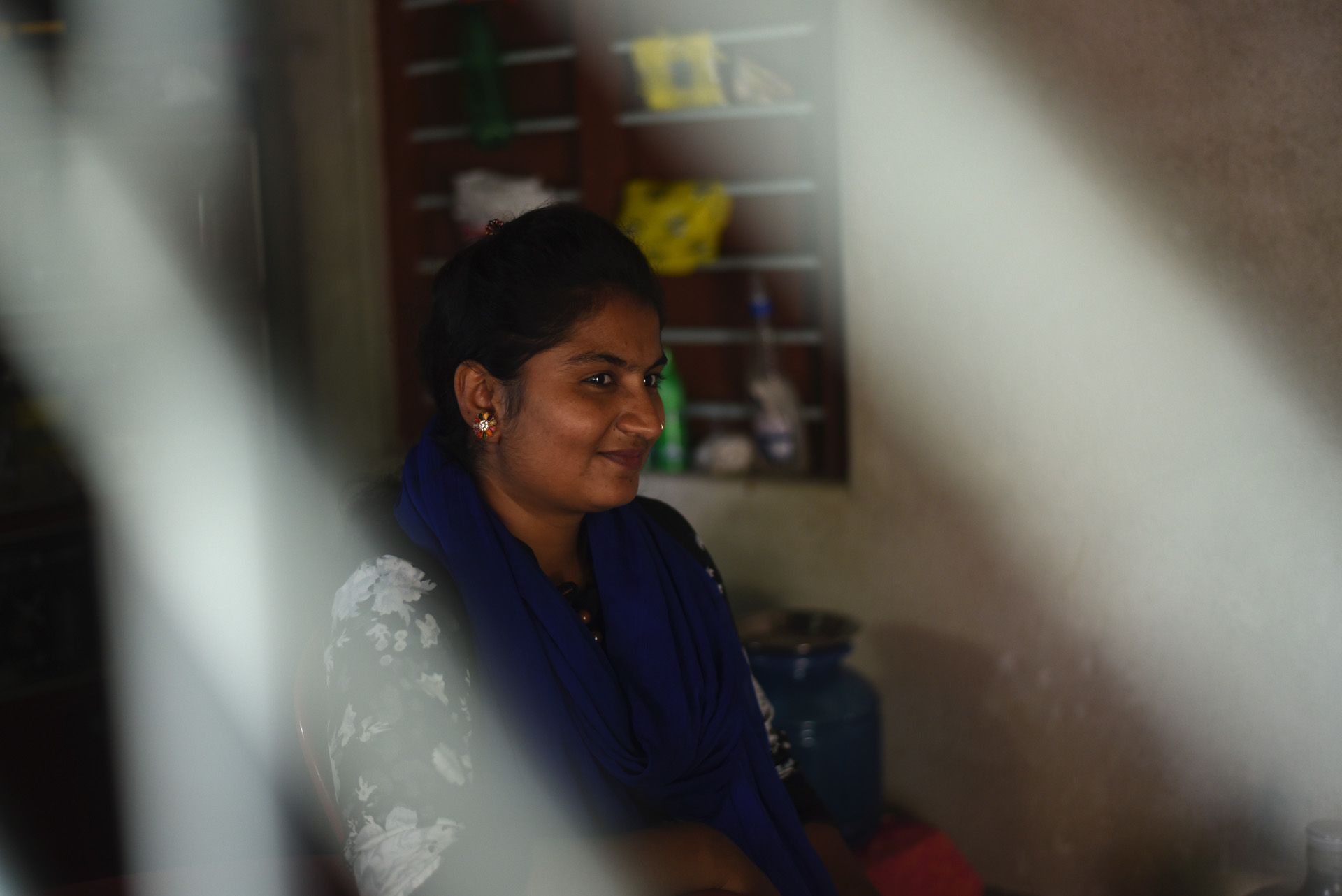
GOBRA, India, Feb 27 (Thomson Reuters Foundation) – For more than a year, Nasima Gain did not leave her house. She spoke to no one, refused to meet friends and lay in bed.
Closeted in her room, the Indian teenager was consumed by guilt, blaming herself for being snatched from her village, taken to a neighbouring state and sex trafficked into a brothel.
She recalls the day of her abduction, aged just 14, vividly.
“I was dressed in a sari that day because we were celebrating (a festival),” she said at a relative’s home.
“I think it was the first time I was wearing a sari and remember being very happy. That morning, I never imagined that I would be so terrified by night,” she said from Gobra, a village of fewer than 500 families along the India-Bangladesh border.
Like tens of thousands of teenagers trafficked from the eastern state of West Bengal to brothels across India or into domestic servitude, Nasima was sold by one of her relatives.
“I trusted him,” she said of a childhood friend who grew up to traffic her. “We had planned to spend the day out. He took that chance and trapped us.”
Nasima and a friend were made to join a dance group then taken to a dance bar and sold for sex. She was beaten and abused for almost a year before a tipoff brought police to the rescue.
That was in 2010 and Nasima said she emerged an utter wreck.
Now she is on a mission to ensure others who escape human trafficking and modern slavery get the help that eluded her.
“Previously I stammered and had no confidence,” she recalled. “Now I … keep my head high.”