

By Nellie Peyton
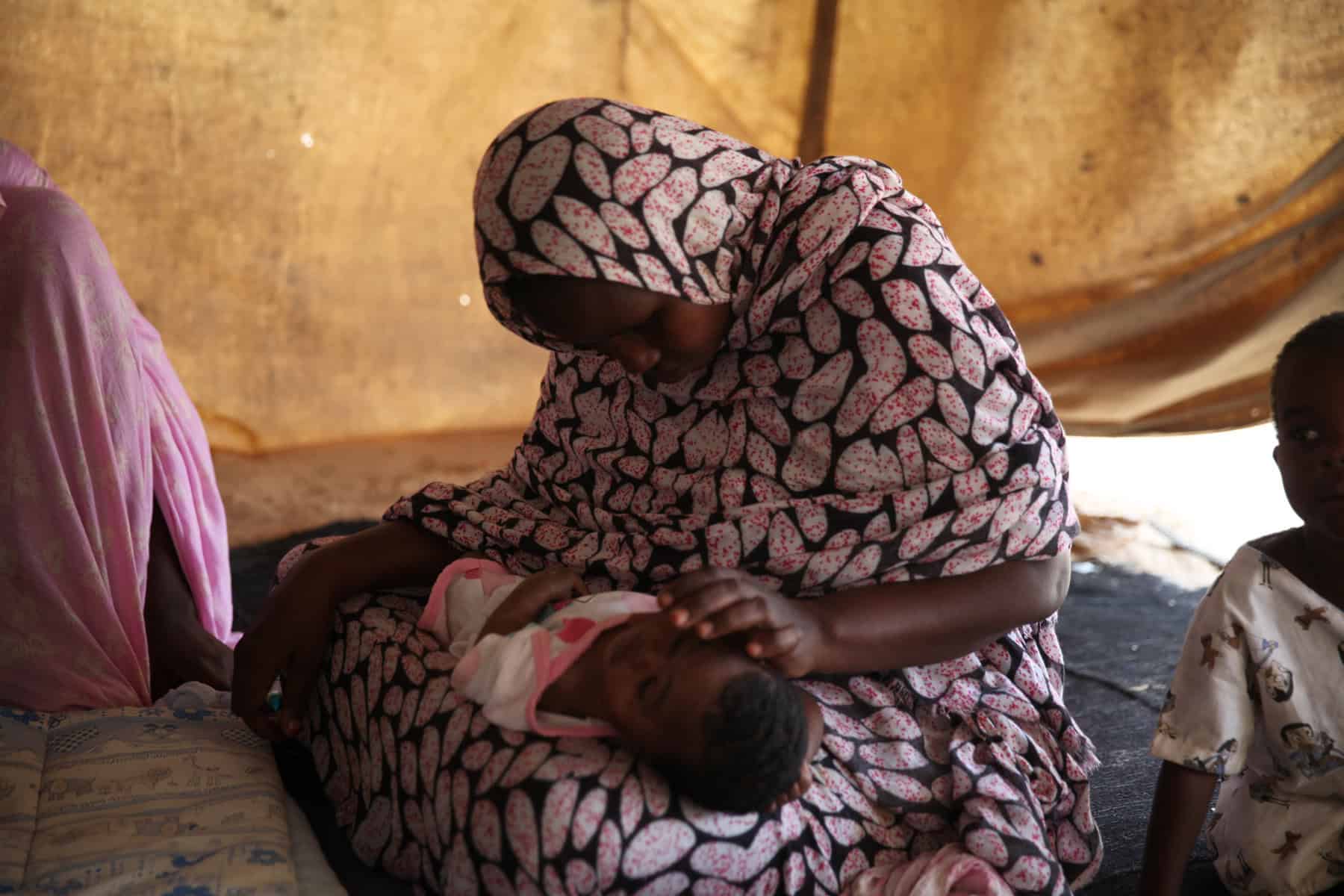
NOUAKCHOTT, Feb 27 (Thomson Reuters Foundation) – Mbarka Mint Essatim was 23 when she discovered she was a slave.
Her master’s driver saw her doing heavy lifting one day and asked if she was paid. When Mbarka said ‘no’, he told her the truth about the family she had always considered her own.
“I knew no one else and thought they were my family,” she said of her masters, members of the light-skinned elite known as white Moors in the west African country of Mauritania.
She neither looked like them nor lived like them.
“I did not sleep with them in the same house. I was afraid of them, they struck me … raped me. I wanted to be like children my age, going to school and studying. I was alone.”
She tells the story coolly, sitting in a makeshift shack in the capital, Nouakchott, as if the child taken from her mother at five to wash dishes and scrub floors was someone else.
Essatim escaped in 2011 with the help of the driver, now her husband, but has no job or education and seven children to raise in a nation where her ethnic group occupies the bottom rung.
Life is no longer defined by servitude, punctuated by rapes or beatings, but Essatim struggles to feed her family.
About 40 million people globally are estimated by the United Nations to be modern-day slaves, but no data exists on how many are freed or escape – and face a fresh ordeal as they seek basic services and support to start life anew.
As Mauritania begins to emerge from a decades-old tradition of descent-based slavery, activists say tens of thousands are in Essatim’s situation – struggling to get by each day.
Activists say improving their lot is harder than ending slavery, and just as crucial to repairing race relations and maintaining peace.
Mauritania was the last country to abolish slavery – in 1981 – and criminalised it in 2007.
The Global Slavery Index, published annually by human rights group Walk Free Foundation, estimates that 2 percent of the population, or 90,000 Mauritanians, are still enslaved.
“For the slaves, all we can do is free them,” said Alioune Sow, a member of the Initiative for the Resurgence of the Abolitionist Movement (IRA), which freed Essatim’s children.
“We are not the state. We don’t have funds,” said pharmacist Sow, who donates medicine to ex-slaves when he can.