

By Kim Harrisberg
JOHANNESBURG, May 7 (Thomson Reuters Foundation) – The South African government’s promises of returning land to black South Africans taken during apartheid are under the spotlight during national elections this Wednesday, land experts said.
President and African National Congress leader Cyril Ramaphosa last year launched a process to change the constitution to make explicit provision for the redistribution of land without pay to address high levels of inequality.
“The land issue over the past 18 months has exploded within South Africa,” land expert Ruth Hall told the Thomson Reuters Foundation.
“It is not merely a rural farming issue anymore. It is also an urban housing issue, and there is a lot of mobilisation around this demand for land,” Hall said.
Land ownership and income inequality remain highly emotive subjects more than two decades after the end of apartheid in a country with 27 percent of the population unemployed.
Currently, 72 percent of agricultural land is owned by white South Africans who make up 10 percent of the population, according to a government land audit.
VOTING WITH THEIR FEET
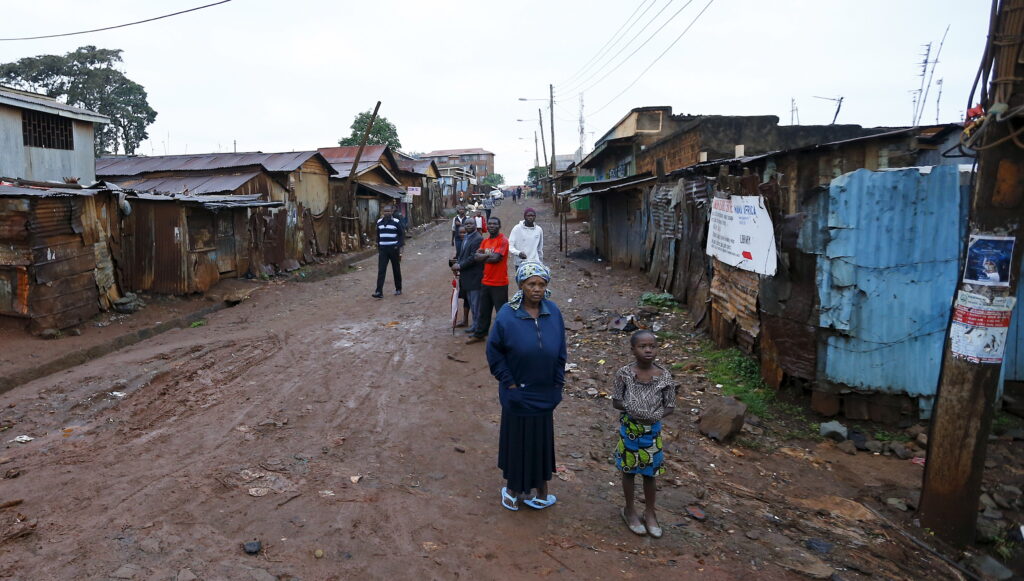
Discontent around land and property rights has triggered protests and land occupations.
“There has been a dramatic spike in organised land occupation since early 2018 around the country. This shows that many people are giving up on waiting for official processes,” said Hall.
“People are voting with their feet and occupying land.”
S’bu Zikode, the president of Abahlali baseMjondolo (AbM) a shack-dwellers movement fighting for housing rights in South African townships, has been one of the voices leading these occupations.
“The constitution is not the barrier to delivering land rights,” Zikode said. “Political unwillingness is.”
The current constitution already allows for expropriation.
“Since 1994 there was no expropriation for land reform. We only saw this begin last year. This conversation around constitutional change is merely a convenient deflection for leadership in electoral season,” Land lawyer Tembeka Ngcukaitobi said.
“This is not a crisis around lack of laws, it is a crisis around lack of enforcement in enacting laws.”
But AbM is also concerned that land redistribution will simply involve taking land from white elites and giving it to black elites.
“Political parties talk about the poor to legitimise their projects, but no one speaks to us to understand what we really need,” he said.
The Department of Rural Development and Land Reform (DRDLR) told the Thomson Reuters Foundation that their assistance with dispute resolution was one of the ways they aim to protect the land rights of all communities.