

By Annie Banerji
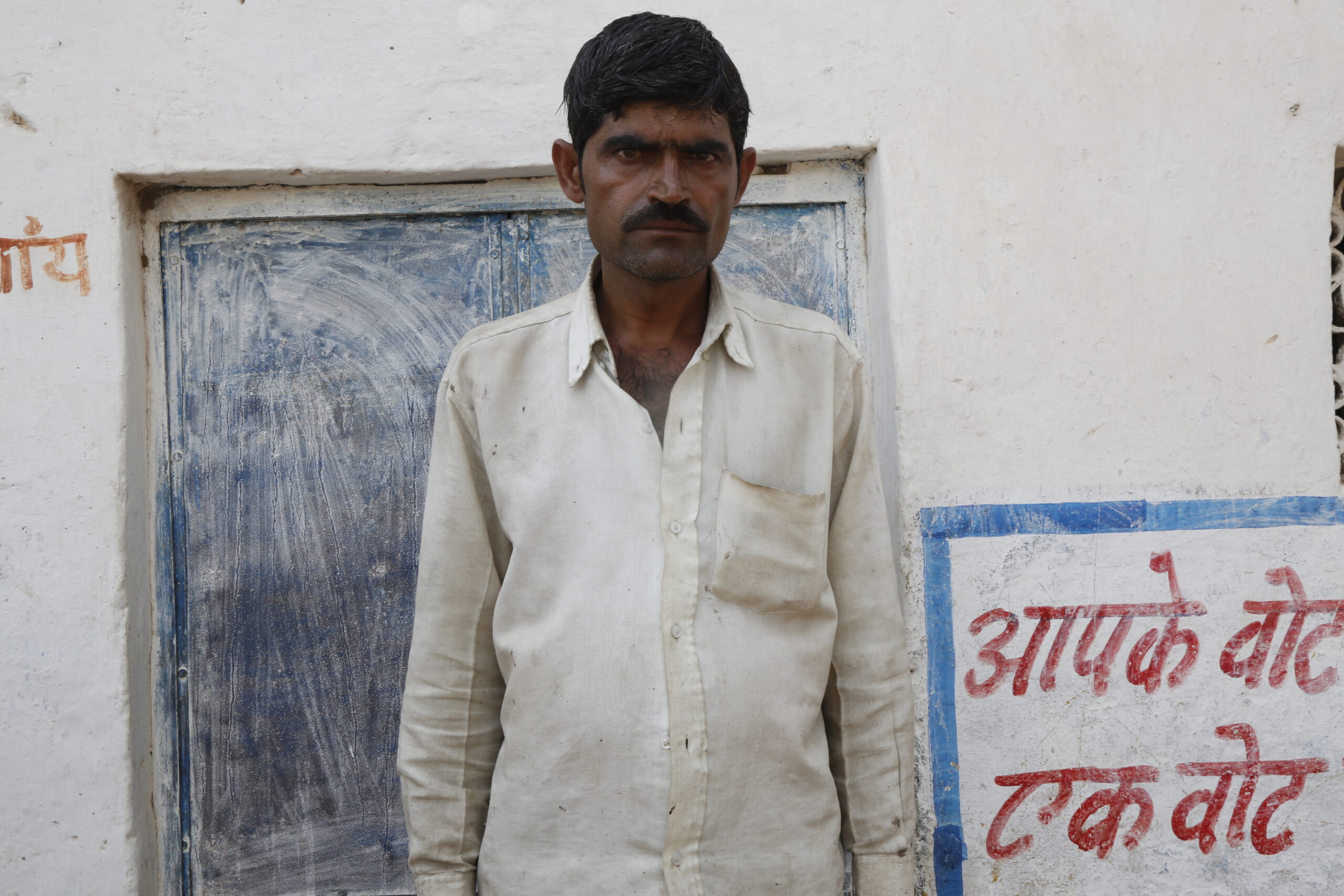
JHANSI, India, Aug 5 (Thomson Reuters Foundation) – Ram Hetu was sure his 16th proposal would finally secure him a wife, but it didn’t – just like all his other attempts to find a partner in central India’s Bundelkhand region, where years of drought and water scarcity are keeping possible brides at bay.
Wells have run dry across the semi-arid region, with scant rains forcing some villagers to walk miles for water and pushing others to migrate to cities in search of work, as harvests fall.
But the drought also has more pernicious consequences.
In towns and villages across sparsely populated Bundelkhand, home to 20 million people, parents of would-be brides are dismissing the overtures of hopeful suitors, fearing a betrothal could land them in financial ruin.
“The parents usually tell me ‘no water, no daughter’,” said Hetu, 42, a farm labourer who earns 4,000 rupees ($58) a month.
“In January, one father said ‘maybe’ and immediately I started daydreaming about my wedding.”
But calls to his would-be father-in-law went unanswered.
“Parents fear their girls will spend the rest of their days fetching water,” Hetu said in his village of Baragaon, known for growing wheat, barley and chickpea.
His story is echoed by other men from Bundelkhand who told the Thomson Reuters Foundation that years of drought had ruined their crops and trapped them in bachelorhood.
It is just one of many social impacts linked to climate change in a country increasingly hit by extreme heat, rising sea levels, frequent floods and powerful cyclones.