

By Busani Bafana
BULAWAYO, Zimbabwe, Jan 13 (Thomson Reuters Foundation) – As a child, Kenyan meteorologist Saumu Shaka helped out on her parents’ small farm growing maize and pigeon pea – and learned how the weather can hold food producers hostage.
“Looking back, the yield has declined over the years,” said Shaka, 28, who works with the Kenya Meteorological Department.
A decade ago, her parents would get 25 sacks of maize from their six hectares in Taita Taveta County, southeast of Nairobi.
Today that has dwindled to five bags at most, because of erratic rainfall that can also spur crop-destroying pests.
As climate change fuels extreme weather and threatens harvests, Africa needs more scientific expertise to help small-scale farmers adapt, especially women who tend to be hit worst, said Wanjiru Kamau-Rutenberg, director of Nairobi-based group African Women in Agricultural Research and Development (AWARD).
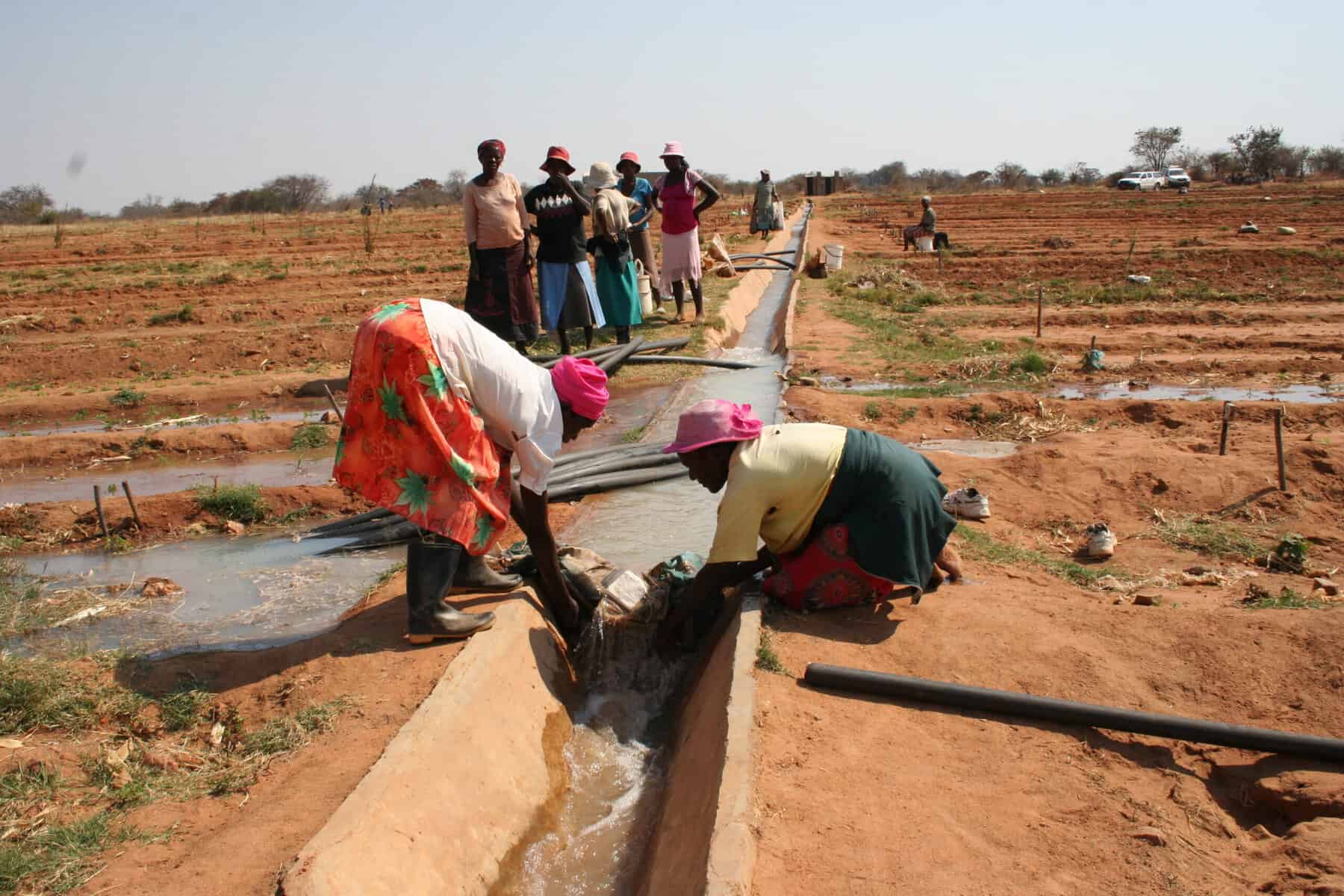
According to the United Nations’ Food and Agriculture Organization (FAO), women represent nearly half of farmers in Africa and produce up to 80% of basic food crops.
They are also largely responsible for preparing, storing and processing food.
But in many cases, the FAO says, they have limited rights, mobility and access to resources, information and decision-making power, making them more vulnerable and less able to adapt to climate change impacts than men.
“This means women’s continued under-representation in climate change research is no longer acceptable,” said Kamau-Rutenberg, noting that few have opportunities in science education.
AWARD is leading the One Planet Fellowship, a new initiative that will train 630 African and European scientists to use a gender lens to help African smallholders adapt to climate shifts, unusually offering Africans the opportunity to serve as mentors.
Under-investment in African scientific research capacity means “we still don’t even know the specific ways climate change will manifest … in Africa,” said Kamau-Rutenberg.
In September, the three-year career development programme welcomed its first cohort of 45 fellows from Kenya, Tanzania, Nigeria, Zambia, Malawi, Benin, Ivory Coast, Senegal, Togo, Mali, Ethiopia and Burkina Faso – over half of them female.
The aim is to “set an example and dispel the myth that there are no African women scientists ready to step into leadership”, Kamau-Rutenberg added.
AWARD collaborates on the initiative, worth nearly $20 million, with the Bill & Melinda Gates Foundation, France’s BNP Paribas Foundation and Agropolis Fondation, the European Union and Canada’s International Development Research Centre.