

By Anastasia Moloney
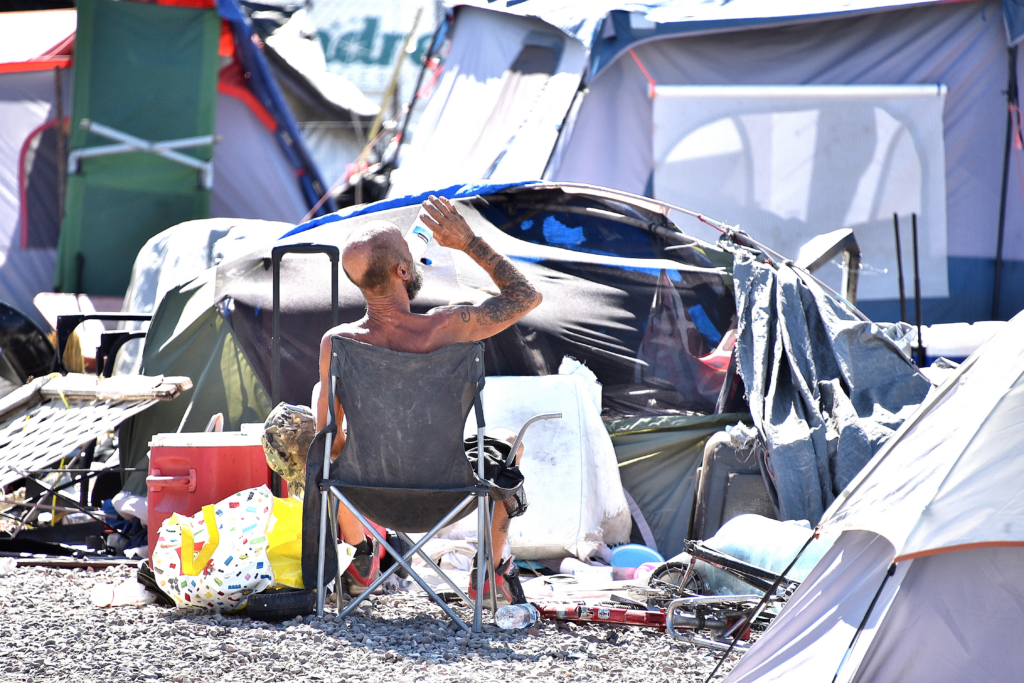
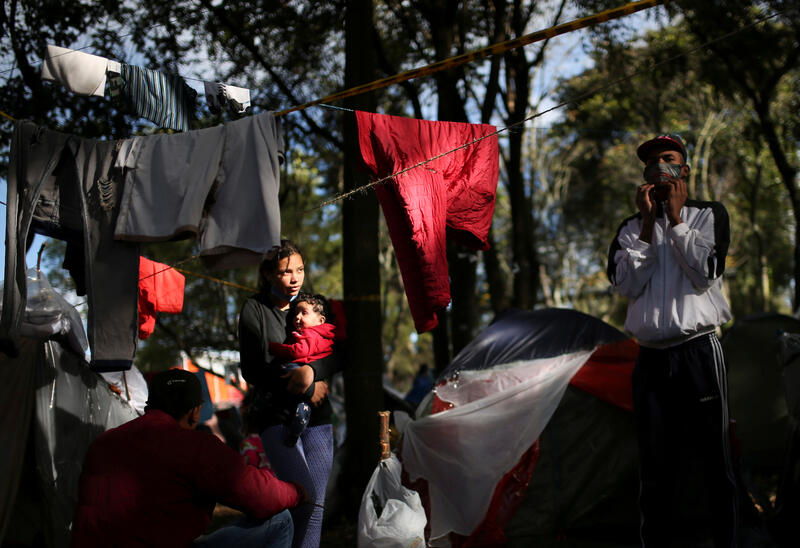
BOGOTA, Oct 29 (Thomson Reuters Foundation) – From Bogota to Athens, the coronavirus pandemic has revealed pockets of once invisible urban poverty, prompting some mayors to target the cities’ poorest for new health and welfare measures, a top health official said on Thursday.
About half of the world’s population live in urban areas and city mayors are on the frontline of the COVID-19 response, often deciding when to introduce and lift lockdowns and taking responsibility for the running of hospitals.
Some mayors have become “urban health champions” introducing measures to help the poorest, World Health Organization Director-General Tedros Adhanom Ghebreyesus told a webinar.
“Nowhere has the impact of this virus been more evident than in urban areas,” Tedros told a virtual conference hosted by the Partnership for Healthy Cities, a global network of 70 cities.
“Bold action by city leaders has and will continue to impact the global pandemic response,” Tedros said.
Claudia Lopez, Bogota’s first women mayor, said the coronavirus had exacerbated already rising poverty rates since 2019 in Bogota and across Colombia, Lopez said.
Poverty rates in the capital of 7 million people have risen to 26% this year up from 15% in 2019, and unemployment has roughly doubled to 19% in a city where about half work in the informal economy, Lopez said.
But the pandemic has allowed city hall to identify and target “hidden poverty” in a “very unequal city”, Lopez said.
For the first time, the mayor’s office is directly funding monthly cash transfers to about 7,000 homes, a measure that will continue for the remaining three-years of her term, she said.
In addition, since late March, 80 km of new bike lanes have been added to Bogota’s existing 550-km (340-mile) network of bicycle lanes, easing congestion on buses and allowing essential workers to travel safely, Lopez said.