

By Roli Srivastava
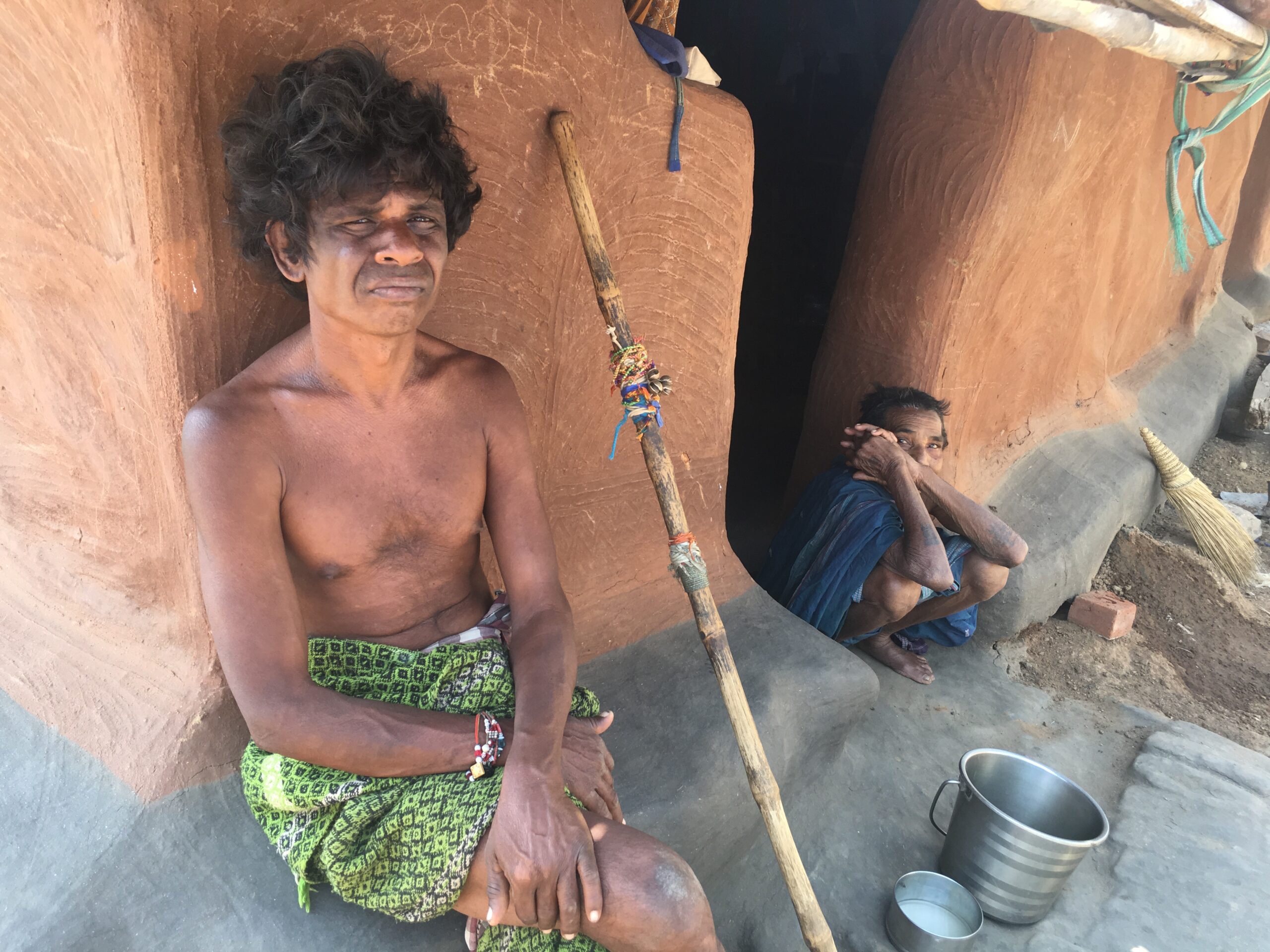
KHARKHARA, India, March 29 (Thomson Reuters Foundation) – Under a full moon in January, this bone-dry village in India’s Odisha state bustles with little home feasts, cooked to mark the harvest festival of “Pousha Poornima”, which traditionally marks 10 days of freedom for bonded farm workers.
But Kharkhara, in the drought-prone district of Balangir, has not seen a rich harvest in years. As drought worsens, most of the village’s impoverished farm workers have left.
Now they work in brick kilns in cities, mostly in southern India, having tied themselves to seasons of low-paid work in exchange for a loan up front to try to feed their families.
For those left behind in the village – the elderly or the very sick, and a few families still hoping for better times – Pousha Poornima goes on, but without the harvest or the return of the bonded workers who must remain at their kilns.
“Our homes used to be full of paddy during the festival. But there was nothing this year. It was all empty,” Mathura Dharua, a 50-year-old mother of five who works as a daily wage labourer, told the Thomson Reuters Foundation.
Worsening extreme weather linked to climate change is uprooting more people from their homes around the world, creating hardship for many.
But it is not just those on the move who are facing challenges.
Often those left behind – including those simply too poor to move – bear the biggest risks as they struggle to survive in an increasingly inhospitable environment with meagre resources and few people left to turn to.