

By Manipadma Jena
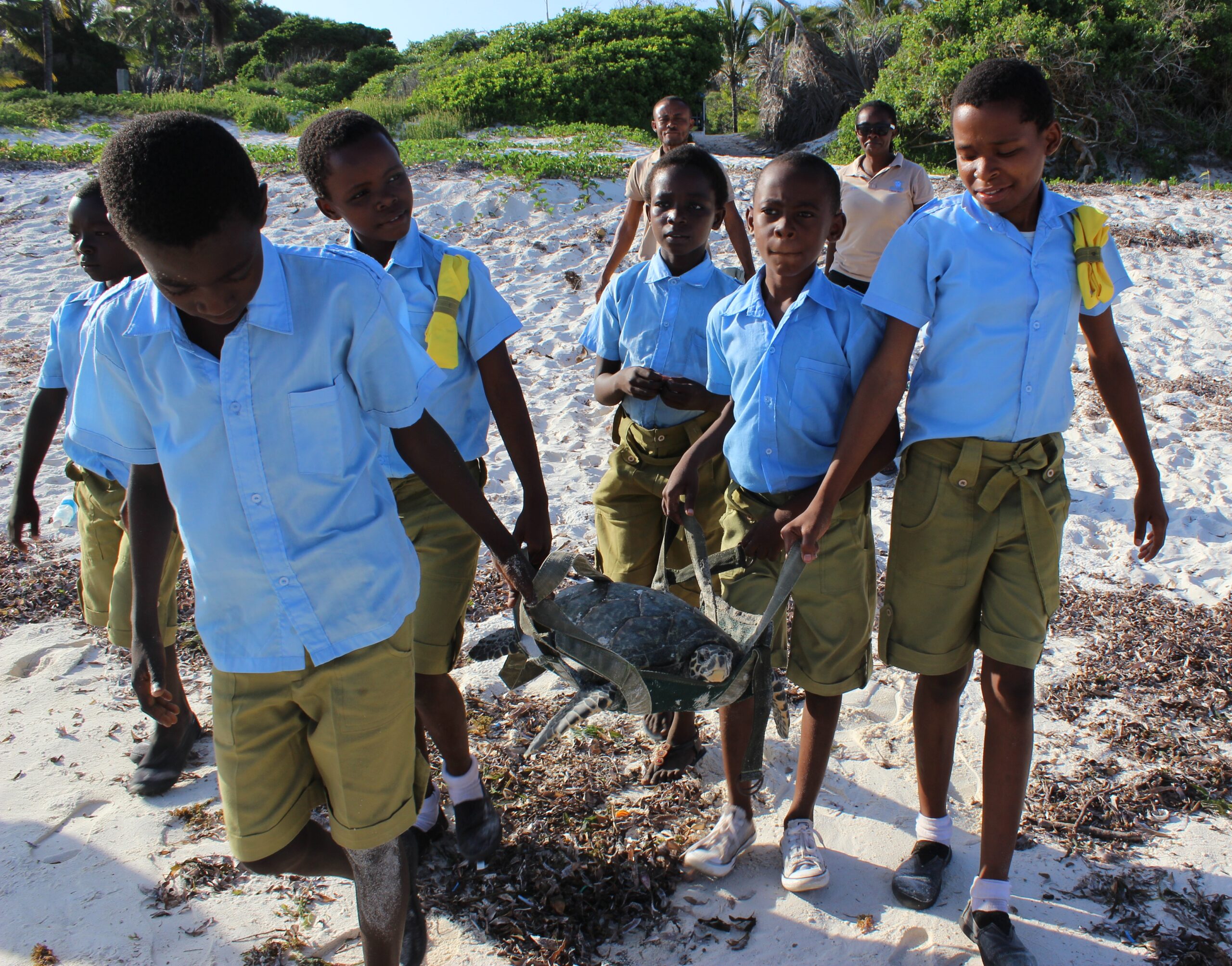
WATAMU, Kenya, Dec 21 (Thomson Reuters Foundation) – Kai, a three-year-old green sea turtle, was released back into the turquoise waters of the Indian Ocean off Kenya’s coast this month.
She had been hospitalised after her guts were blocked with white plastic bags she swallowed, mistaking them for jellyfish, and tiny plastic pieces entangled in the sea grass she eats.
In a bid to clean up Kai’s environment, the villagers of Watamu, who depend on fishing and tourism, joined hands in 2016 with an entrepreneur and a local ocean conservation charity to recycle plastic waste from two marine national parks in eastern Kenya.
In Malindi town, 20 km (12.5 miles) from Watamu and 115 km north of Mombasa city, Sam Ngumba Ngaruiya, 59, is turning plastic waste collected from beaches into green construction materials.
They include six-foot fencing poles used by schools and farms, road signs, paving, roof tiles and recycled plastic containers slowly gaining traction among local people.
Villagers in Watamu, including school children, gather plastic waste from the sea, beaches and households every Friday, a holy day for the Muslim-majority community here.
The poorer among them sell the plastic to Ngaruiya’s company, Regeneration Environmental Services Ltd.
At Watamu’s Blue Lagoon Bay, Gilbert Risiki Ngonyo told the Thomson Reuters Foundation he supplements his irregular earnings from small carpentry and painting jobs with about 3,000 Kenyan shillings ($29.15) a month from selling the salvaged plastic.
The recycling factory pays 10 shillings for 1 kg of plastic – the equivalent of roughly two 2-litre empty plastic water bottles.
In four hours, collectors can gather 50 kg of plastic, earning 500 shillings ($4.86) – “enough to eat and feed their family for a day”, said Ngaruiya.