

By Fabio Teixeira
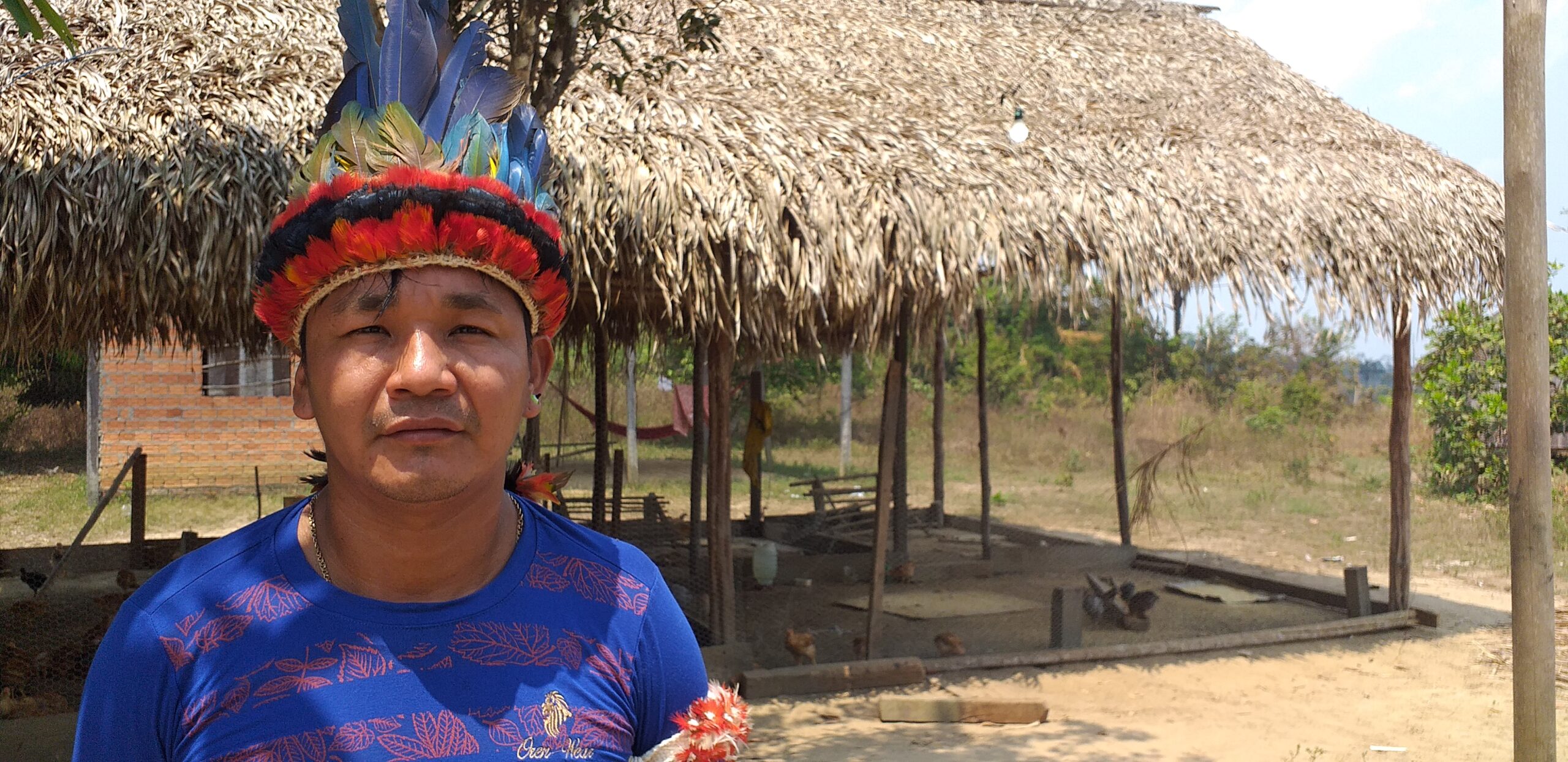
TENHARIM TERRITORY, Brazil, Sept 4 (Thomson Reuters Foundation) – The vice-chief of the village of Pakyri knows that next year his people will face hard times, as the fires raging in the Amazon forest burn their food, medicine and livelihoods.
Deusdimar Tenharim estimates that about 60,000 hectares of the protected land where his people hunt and gather has been burned during the fires – and the blazes are not out yet.
“Our firemen are not being able to handle it … the trees where we pick Brazil nuts are gone,” he said.
The vice-chief explained that the nuts are sold in nearby towns, and used for rituals and medicine.
“They are sacred to us, and we already know that next year, 2020, it will be harder to find them in the jungle,” he said.
Last month, Brazil’s space research agency, INPE, announced that the number of fires in the Amazon was the highest since 2010.
That sparked international calls for the country to do more to protect the world’s largest tropical rainforest from deforestation and other threats.
The forest is considered key to holding the line on global climate change, and the evaporation it produces drives rainfall crucial for agriculture across a broad swathe of South America, scientists say.