

By Tom Gardner
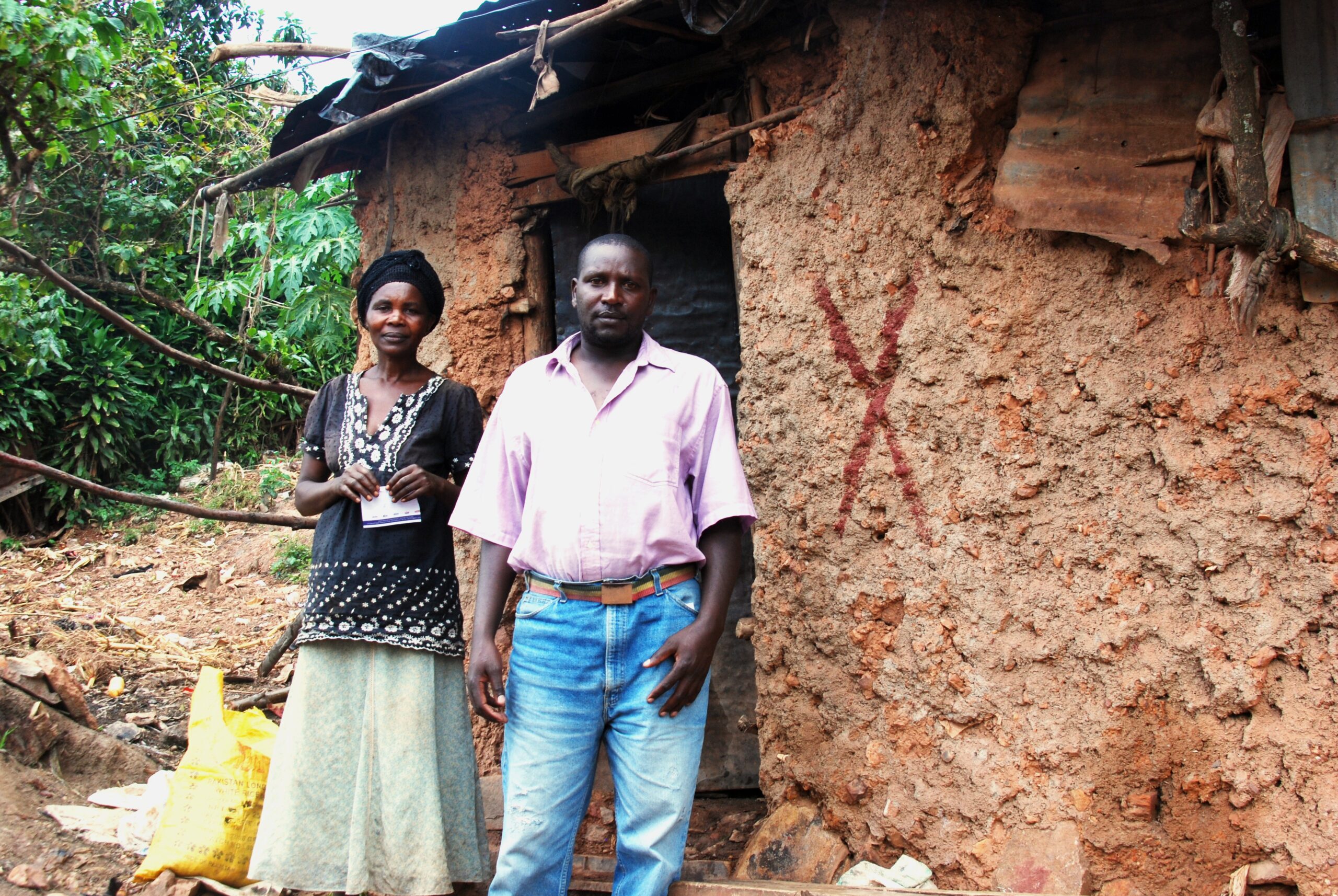
KIGALI, March 1 (Thomson Reuters Foundation) – Last summer, former Rwandan army soldier Twagiramungu Theoneste returned to his Kigali home and found a red cross daubed on the front wall.
“That was the authorities telling me: ‘don’t build any more. Don’t change anything about your house. It is going to be demolished soon,'” he told the Thomson Reuters Foundation.
Theoneste was not alone.
Every house in his neighbourhood, which tiptoes up the mountainside, was similarly marked with a red cross.
The sign indicates that a house has been deemed dangerous by the city authorities so is marked for demolition.
A father of three, Theoneste moved into his one-room, mud and straw house in 2011 after leaving the country’s southern provinces in search of work.
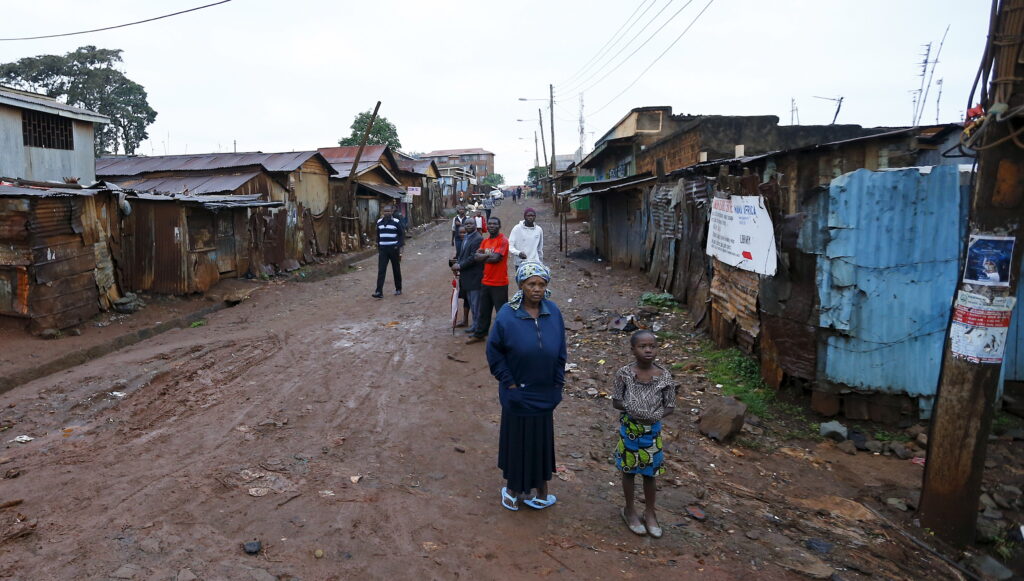
Perched on a steep mountain slope, part of an informal settlement known as Agashubi, the house overlooks a river valley towards the modern city centre on a distant hill.
Now his new life is under threat as the city aims to check the growth of informal settlements or bulldoze dangerous ones.
“All of this is illegal,” said Christopher Ndebo Mugaju, an official for Kigali’s slum upgrading programme, as he gestured at the hillside settlement.
“They built the houses without a permit. We are fighting illegal construction day by day,” he told the Thomson Reuters Foundation.
CITY OF CHALLENGES
Kigali has one of the most challenging urban environments on earth: it is wet, crowded and the hilly terrain makes building precarious, expensive and often dangerous.
The city is also faced with rapid population growth and last year’s census projected that if the current rate of 4 percent continues, the city’s population will triple in six years.
In May, major landslides hit the country, killing dozens of people. Last month, three more people died and hundreds of houses were destroyed when heavy rains paralysed the capital.
Natural disasters of this kind have become more frequent in recent years as the impact of climate change becomes evident.
The Kigali city master plan, which took inspiration from Singapore and was introduced in 2013, aimed to manage these risks and build an environmentally sustainable city by stipulating that only 35 percent of Kigali’s land would be available for development.