

By Amantha Perera
BADDAGANA, Sri Lanka, May 22 (Thomson Reuters Foundation) – On the surface, Sri Lanka’s capital Colombo looks like any other fast-growing South Asian city, with buildings stretching as far as the eye can see and skyscrapers rearing up along its coast.
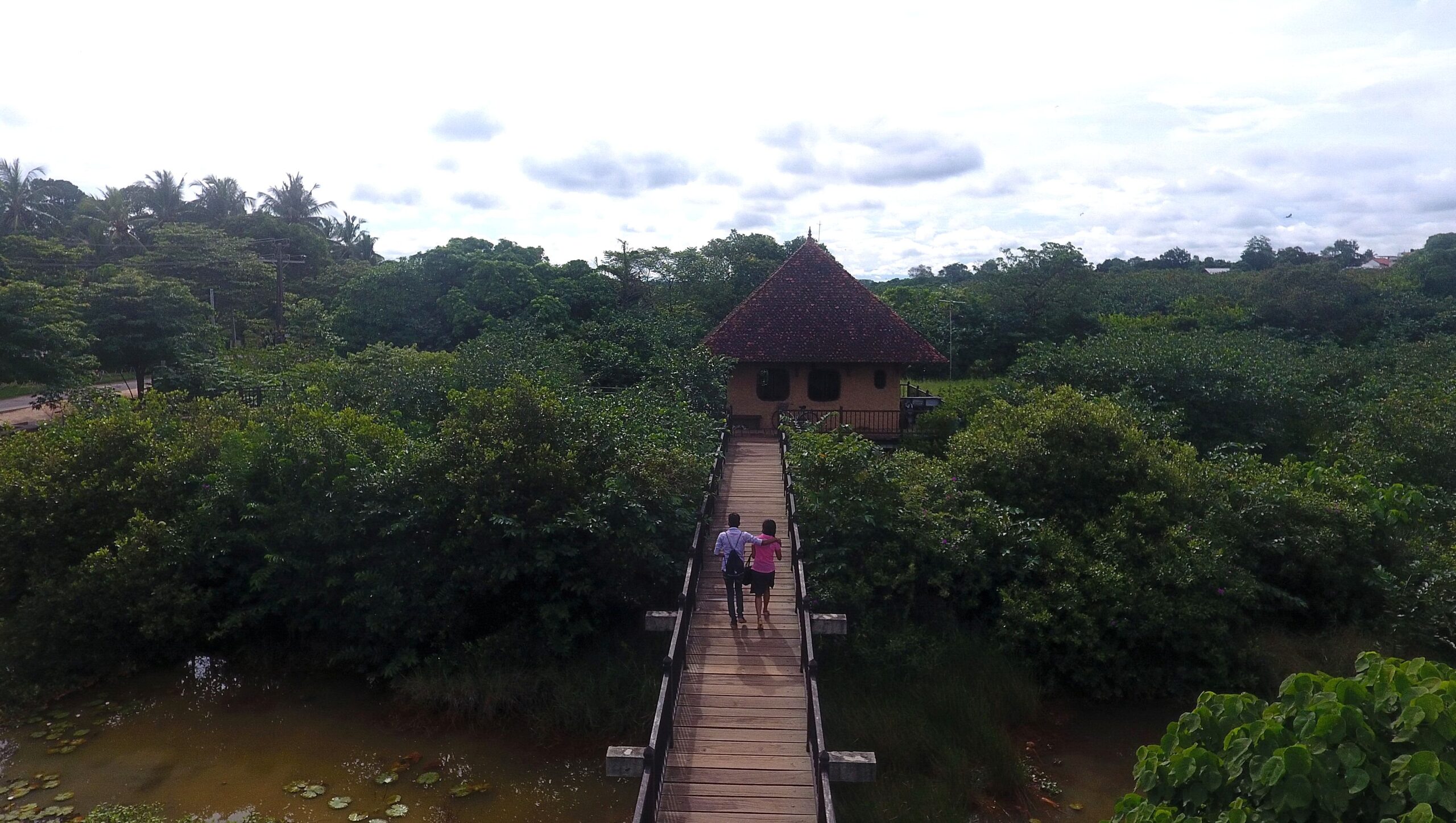
But beneath the concrete, Colombo hides a wilder and wetter past.
Before it became the nerve centre of Sri Lankan politics and business, the city was a region dotted with wetlands and about 30 km (19 miles) of canals that helped absorb and disperse the massive rains that come in from the Indian Ocean.
In the past four decades, as the island adopted an aggressive development policy, its natural flood protection systems were built over, both by authorised and informal construction.
“Flash flooding is now a frequent thing,” said N. S. Wijayaratne, deputy general manager for wetlands at the Sri Lanka Land Reclamation and Development Corporation, a government body.
Experts say Colombo’s long-neglected wetlands could help alleviate worsening floods – and are set to make a comeback as a key pillar of a major flood prevention programme.
Floods occurred in 2016 and 2017 during the monsoon, and smaller deluges have happened this year even before the onset of the monsoon, including in the past few days.
Weather patterns have changed drastically since the 1970s, with rains becoming shorter but more intense, as the planet has warmed. That shift has raised the risk of flooding in the Colombo Metropolitan Area, home to about a quarter of the island nation’s population of 21 million.
In November 2010, heavy rains brought the city to a standstill for a week, causing damage worth as much as $100 million, said World Bank consultant Nadeera Rajapakse Rubaroe.