

* Black Americans lost 90% of their land in the 20th Century
* Forestry program aims to stop loss of more Black-owned land
* Many landowners do not see forest as an asset, experts say
* Timber income encourages people to keep land, clear titles
By Carey L. Biron
HALIFAX, North Carolina, June 7 (Thomson Reuters Foundation) – As a young man, James Baker left his hometown in North Carolina and forgot about the small farm and patch of woodland he and his seven brothers would later inherit.
“After high school and college, I left, and I never had any intentions of coming back to the farm or doing anything with it,” said Baker, who now lives on the property with one of his siblings, all of whom are in their 70s and 80s.
But a regional forestry program that aims to tackle a century of dramatic land loss among Black Americans helped Baker and his brothers see the potential of their woodland, which could soon start generating regular income from timber.
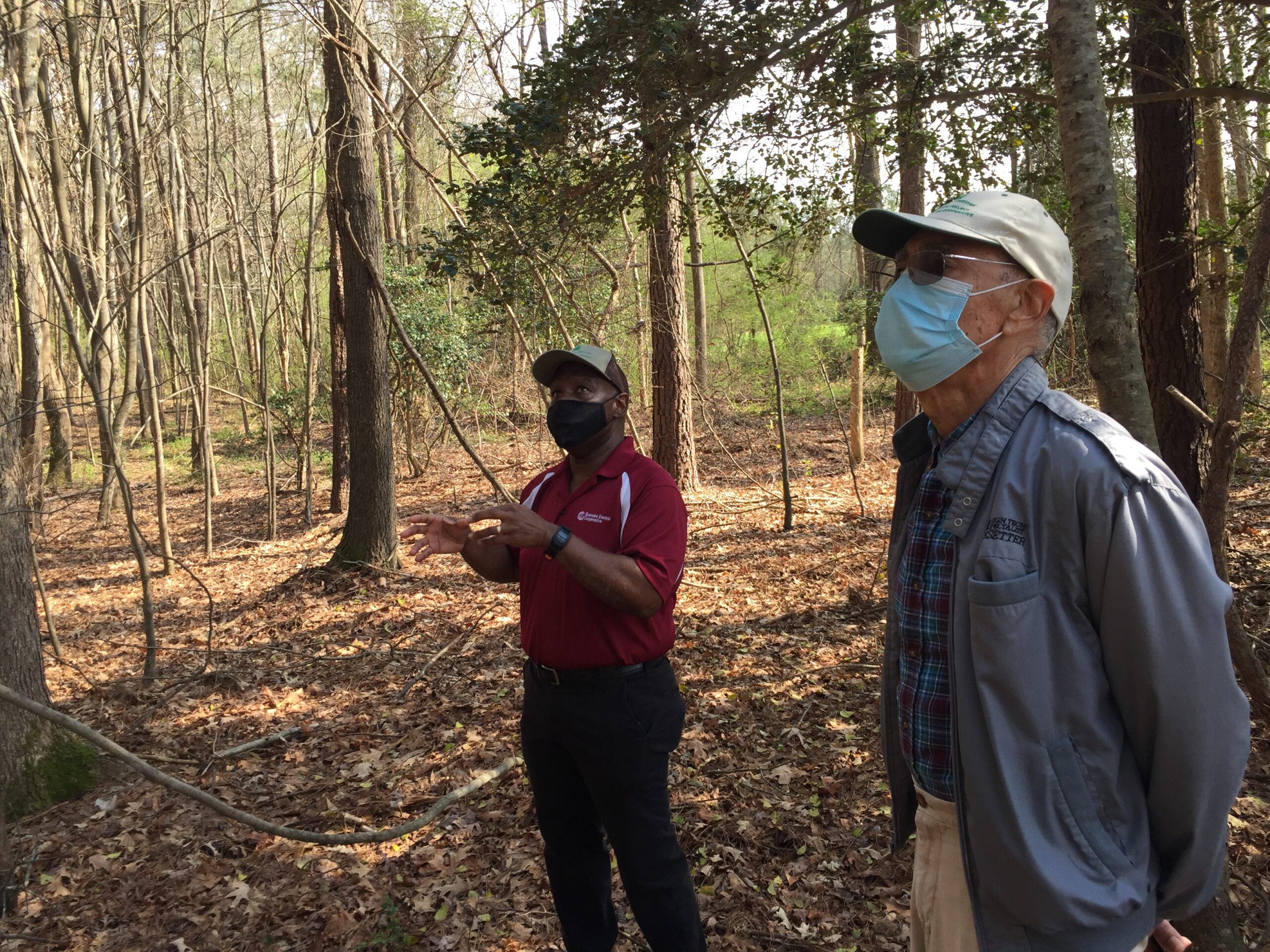
“We’ve learned there are other things that can be done, especially with the timberland … how to manage it, how to handle it in a way to maximize the income,” he said, standing behind the neat farmhouse built decades ago by his parents.
African American families like the Bakers lost more than 90% of their landholdings during the 20th Century, according to government figures, due to factors such as predatory developers and a lack of access to the legal system and expert advice.
Many of the families were poor but rich in land, offering an opportunity today for those who still own property, said Alton Perry, a former U.S. government forester who works as program manager with the Sustainable Forestry and Land Retention (SFLR) project.
A key aim of the initiative, a network of local efforts in the southern United States, is to get families to see the forests they own as a resource, Perry told the Thomson Reuters Foundation at the Bakers’ farm near the town of Roanoke Rapids.
“Many folks who haven’t been provided assistance didn’t realize that forestland was an asset – they saw it as a liability,” said Perry, who manages the project in North Carolina for the Roanoke Electric Cooperative.
The cooperative, which has a key focus on economic development among its members, is one of eight local hubs in the SFLR network, working across swathes of the South.
Besides helping the family unlock income from their land, the program also helped them start thinking about wills and how to ensure the land stays in the family, said Albert Baker, another of the brothers.