

By Rina Chandran
BANGKOK, Oct 22 (Thomson Reuters Foundation) – Until recently, Nuttanakul Somsak’s daily commute to work was unlike that of most residents in Bangkok: she hopped on a boat for about half the price of a train ticket, and taking just a fraction of the time that a taxi or bus did.
For three years, Nuttanakul boarded one of the passenger motor boats that ply the fetid canals in Bangkok, carrying about 30,000 of the city’s more than 8 million residents every day.
“It was cheap, and it was fast. If I had to take a taxi or bus, I would have had to wake up an hour earlier and it would have cost me more,” she said.
“The only downside is that the canal smells: one time, I got splashed by another boat, and had to buy a new skirt to change into for work. But I would still gladly take a boat if my new workplace was connected to a canal,” said Nuttanakul.
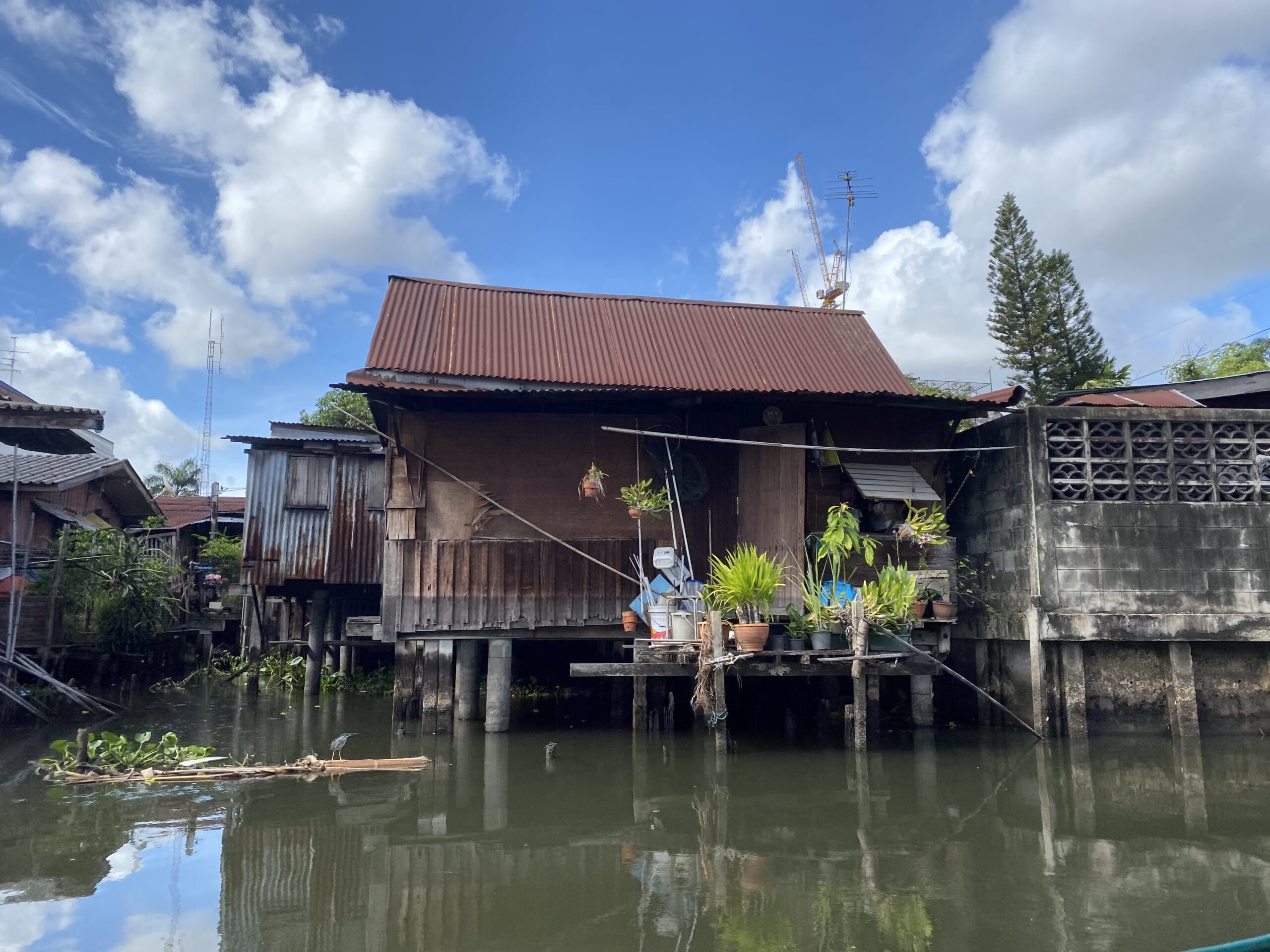
Bangkok, built on the floodplains of the Chao Phraya river, was once known as the Venice of the East for its sprawling network of canals, or klongs.
The canal and river network stretched hundreds of kilometres, connecting homes, temples and public spaces, serving as corridors of transport of goods and people, and as centres of commerce with scores of floating markets.
But from early in the 20th century, many canals were filled in and built over for roads. Others became clogged with trash and sewage, even as roads gradually choked with traffic, with the Thai capital rated among the most congested in the world.
Now, a plan to restore some of the canals and introduce electric ferries aims at easing traffic congestion, as well as creating a more liveable city with environmentally friendly public transport and less pollution.
“People in Bangkok see the canals as an eyesore, but we want them to be viewed as an asset,” said Niramon Serisakul, director of the Urban Design and Development Center (UddC), which has advised the Bangkok Metropolitan Administration (BMA) on improving mobility.
“Especially now, when people are concerned about taking public transport during the coronavirus, river and canal transport can be a pleasant alternative to driving if it is made more convenient,” she told the Thomson Reuters Foundation.