

By Kim Harrisberg
JOHANNESBURG, Aug 4 (Thomson Reuters Foundation) – As a young girl growing up in northern Zimbabwe’s mining community of Mashonaland, Beatrice Savadye watched as her friends were forced into child marriages and early motherhood while many became sick with HIV.
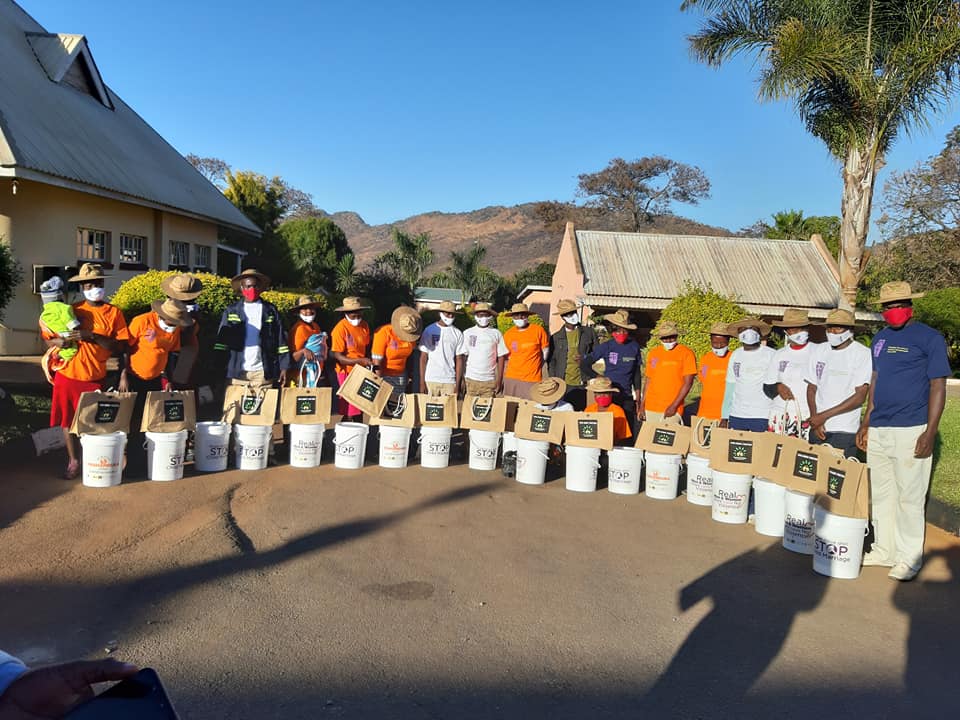
Wanting a different life for herself and other girls, Savadye started the Zimbabwean women’s movement Roots Africa seven years ago fighting for, among many things, legislation change to better protect women’s rights in her region.
Under the lockdown, Savadye is one of a band of female activists in Africa pushing for stronger laws to protect women trapped indoors with abusers from a surge in violence, and also a spike in HIV infections.
“I don’t like seeing injustice. We work to build resilience among young girls, to say that even if you are poor, you can have a better life,” said Savadye, 33, while driving through Bindura, a town in Mashonaland.
The United Nations in June warned of a surge in domestic violence under coronavirus lockdowns, with calls to helplines doubling or tripling in some countries, as restrictions on movement made it impossible for many women to flee abusers.
The Joint United Nations Programme on HIV and AIDS (UNAIDS)highlighted the risk of domestic violence and HIV infection for women and girls in sub-Saharan Africa, who already accounted for 59% of new HIV infections in the region in 2019.
While providing training, rescuing women from abusive homes in her own car, sheltering 30 women and their children and assisting them with antiretroviral (ARV) drugs to prevent full-blown AIDS, Savadye is also pushing for legal changes.
“It is painful to become an adult at a young age. Young girls need role models to look up to, safe spaces to run to, and laws to protect them,” said Savadye.