

By Anuradha Nagaraj
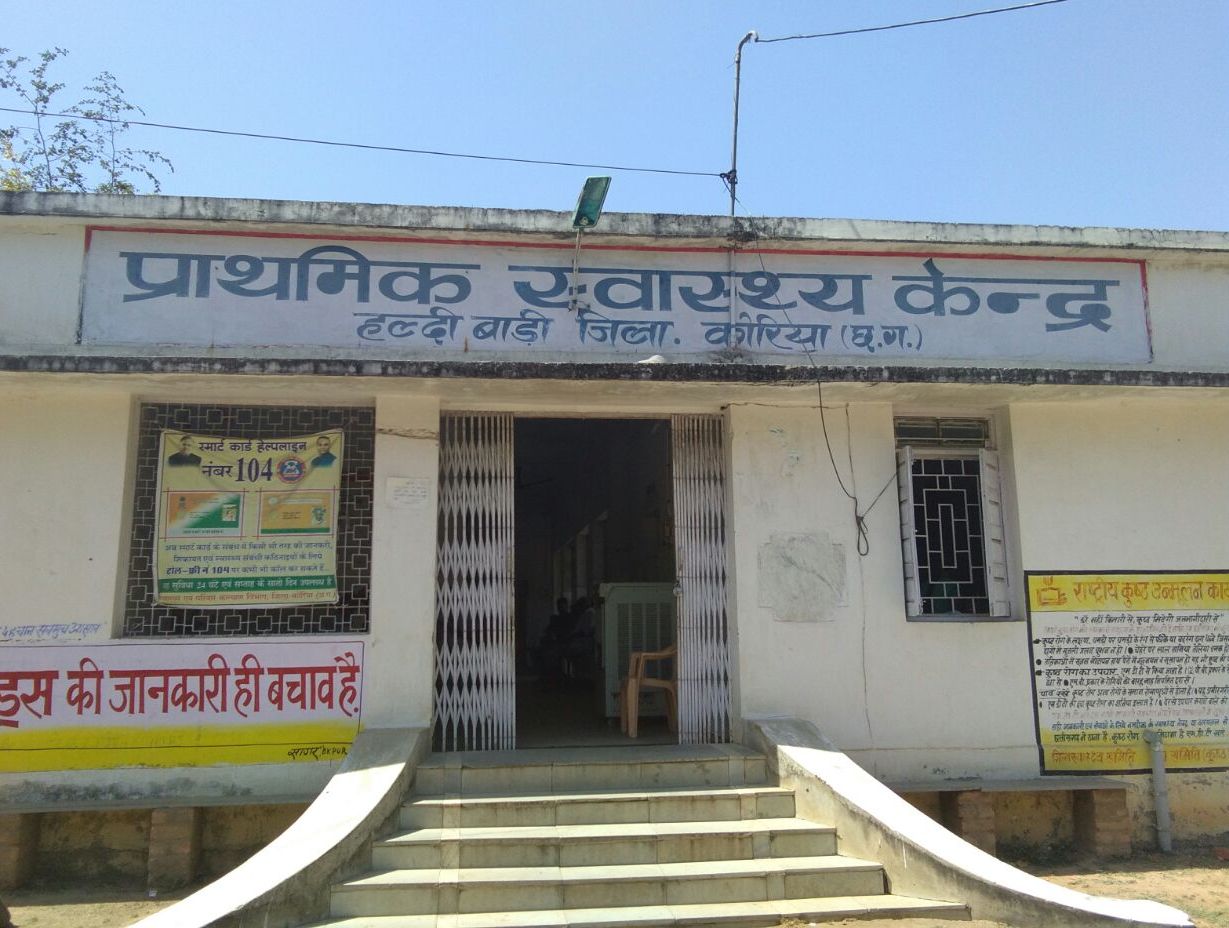
CHENNAI, India, May 5 (Thomson Reuters Foundation) – For Dr Vinayak Salunke, flashlights worth less than $10 each are one of the most valuable assets at the Vihamandra health centre in Aurangabad in India’s western state of Maharashtra.
With the clinic serving a population of 48,000, Salunke must prepare for up to six hours of power cuts daily, rather like a surgeon scrubbing up for surgery.
“We don’t have power back-up, so the torch batteries are vital. We check them every day,” he said. “We also monitor the temperature of our refrigerator constantly to make sure vaccines and drugs are safe. It’s become a way of life now.”
The health centre is one of tens of thousands in India with little or no power supply that are now looking for alternative ways to stay functional.
Across several states in India, government health centres are gradually turning to solar energy for a reliable power supply to store their vaccines, operate infant warmers, sterilise equipment and cut the time spent caring for patients.
Up to now, solar has been deployed at such facilities mostly on a small scale, not as the main source of electricity.
To change that, a pilot project launching this month in Tamil Nadu, Maharashtra and Haryana states aims to set up replicable, cost-effective solar power plants at health centres – the first point of access to a doctor for rural residents – and evaluate their impact on healthcare delivery.
The Indian Council of Medical Research and the Council on Energy, Environment and Water (CEEW), a non-profit research institute, are collaborating to light up three centres and meet their essential operational requirements.
“The aim… is to create resilient health systems in rural India, benefiting primarily women and children,” said Soumya Swaminathan, director-general of the medical research council.
“Illnesses do not come based on the time electricity is available. Any time a patient comes, electricity should be available to enable quality health services.”
Nearly 35 million people in rural India relied on un-electrified primary health centres as of 2015, according to government data.
One in every two primary health centres has no electricity or suffers from power outages, Swaminathan said.
A 2016 CEEW report states that only a fifth of primary health centres meet Indian public health standards, which includes having functional infrastructure for electricity.