

By Anastasia Moloney
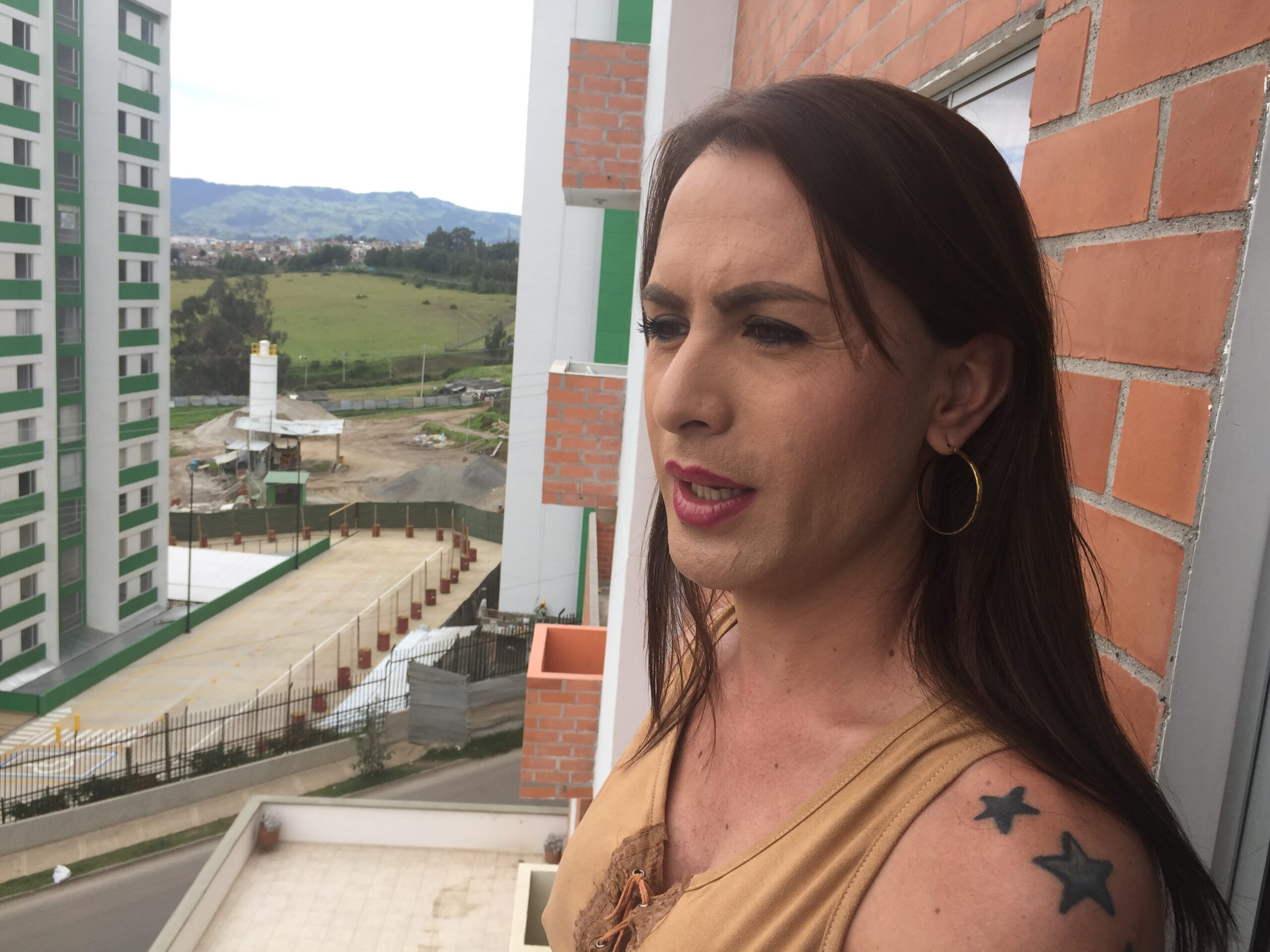
PASTO, Colombia, Feb 21 (Thomson Reuters Foundation) – When Colombia’s FARC guerrillas turned up at the home of Cristian Camilo Gonzalez nearly two decades ago and shoved him into a truck when he was just aged 14, his happy childhood ended abruptly.
Growing up in a rural hamlet, Gonzalez knew from an early age he was different from the other boys. He did not play football and was attracted to boys and women’s clothes.
And despite being raised as a Catholic in a conservative home, his parents allowed Gonzalez to be different.
But once forced into the ranks of the Revolutionary Armed Forces of Colombia (FARC) guerrilla group, he quickly learned that being gay can have fatal consequences.
“Under their rules, homosexuality was banned and punished even by death,” Gonzalez, now 33, told the Thomson Reuters Foundation.
“For the FARC, homosexuality was seen as a Yankee affliction and a crime. My sexuality was incompatible with their rules.”
Fighters who disobeyed the rules were punished, and their fate was decided by the FARC’s council.
“Once there was a council to rule on two women who were found kissing each other. One was transferred to another camp, the other was shot dead,” Gonzalez said. “It was after this that I knew I had to leave.”
After a year in rebel ranks, a rare opportunity to escape arose when Gonzalez was ordered to get medical supplies in a nearby village. He never returned.
“It was a huge risk,” Gonzalez said. “I walked for days until I was sure they had lost my track.”
Gonzalez’s ordeal offers a rare insight into the experiences of LGBT+ people in the FARC, who have so far remained largely hidden and invisible.
But following a 2016 peace deal between the government and the FARC ending 50 years of war between the two sides, human rights abuses committed by all sides are slowly coming to light.