

By Nellie Peyton
BAWENNE, Burkina Faso, March 11 (Thomson Reuters Foundation) – T he Burkinabe village of Bawenne was used to contending with nature, but not the impacts of violence, until hundreds of people started showing up late last year, fleeing suspected Islamist attacks.
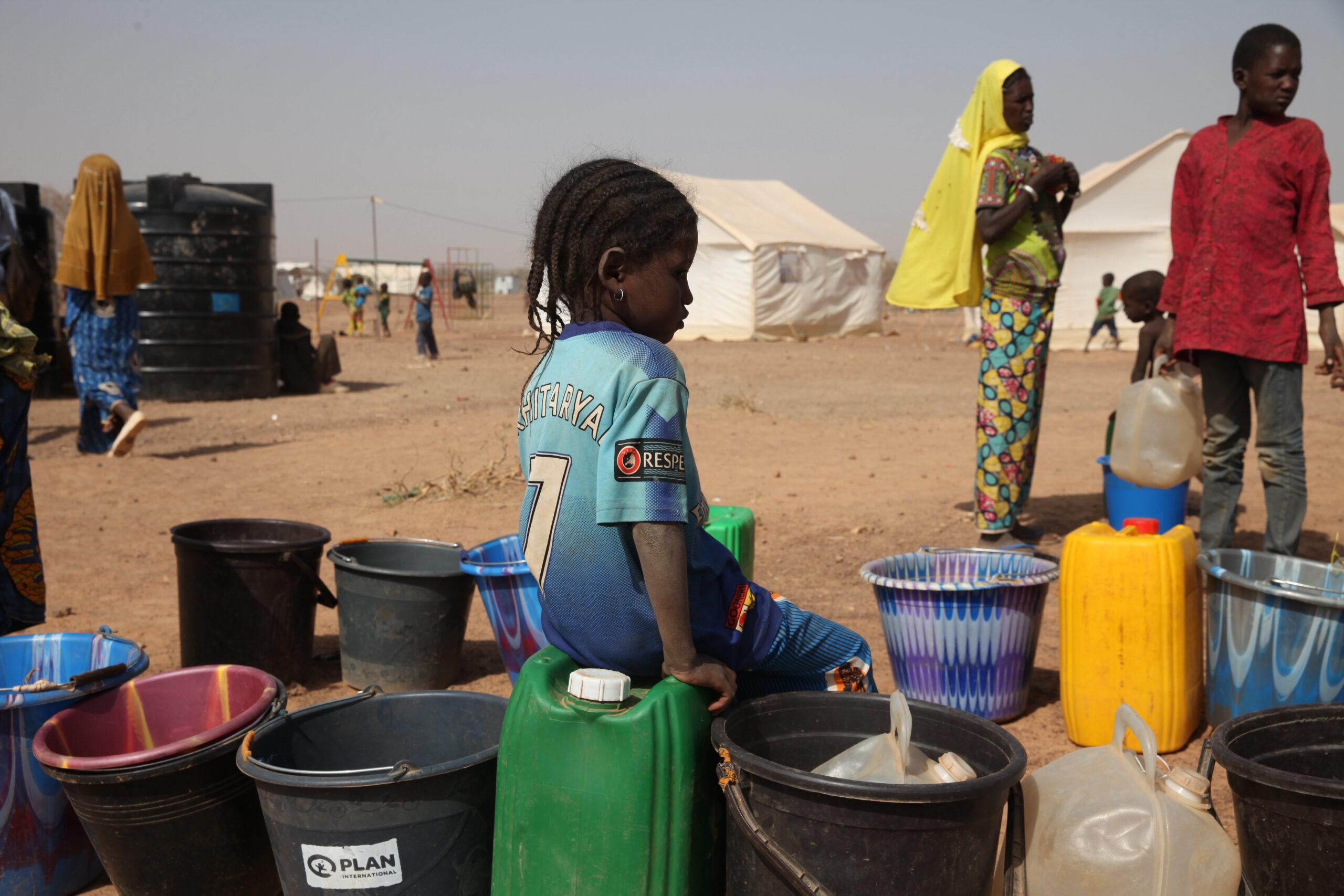
The displaced had walked for days – some with babies on their backs – to arrive at the village of 2,000 people that was already struggling to survive in northern Burkina Faso’s barren scrubland. By March 1, the arrivals numbered 1,200.
“This situation can’t last,” said Bawenne Mayor Ousmane Zango, standing amid crowds of people gathered in the sun outside the village’s small round brick huts.
“We won’t be able to feed them for even a month,” he told the Thomson Reuters Foundation.
This kind of crisis is new for the entire country, a landlocked West African nation that was largely peaceful until, three years ago, a local Islamist group started to gain a hold.
As attacks by Ansarul Islam and jihadists with other affiliations have multiplied, they have set off fighting between ethnic communities in the north, with the Mossi majority accusing Fulani herders of harbouring militants. The conflict has forced more than 100,000 people to flee their homes, more than half in the last two months alone, according to the United Nations. About 20 million people live in Burkina Faso.
Since the start of 2019, an average of 1,000 people have fled their homes every day.
“Burkina Faso was on a very positive track of development and now it’s facing this unprecedented humanitarian emergency,” said U.N. Assistant Secretary-General for Humanitarian Affairs Ursula Mueller.
“While the government has mobilised the resources they had it’s absolutely not enough,” she said on a visit to one overcrowded displacement camp.
About three in 10 displaced people are in camps, sleeping in tents and receiving food distributions, while the others are scattered throughout the countryside – some in areas too dangerous for aid workers to access, the United Nations said.
“For the host families, there’s not really a strategy to help them,” said Zango, Bawenne’s mayor.