

By Jacob Kushner
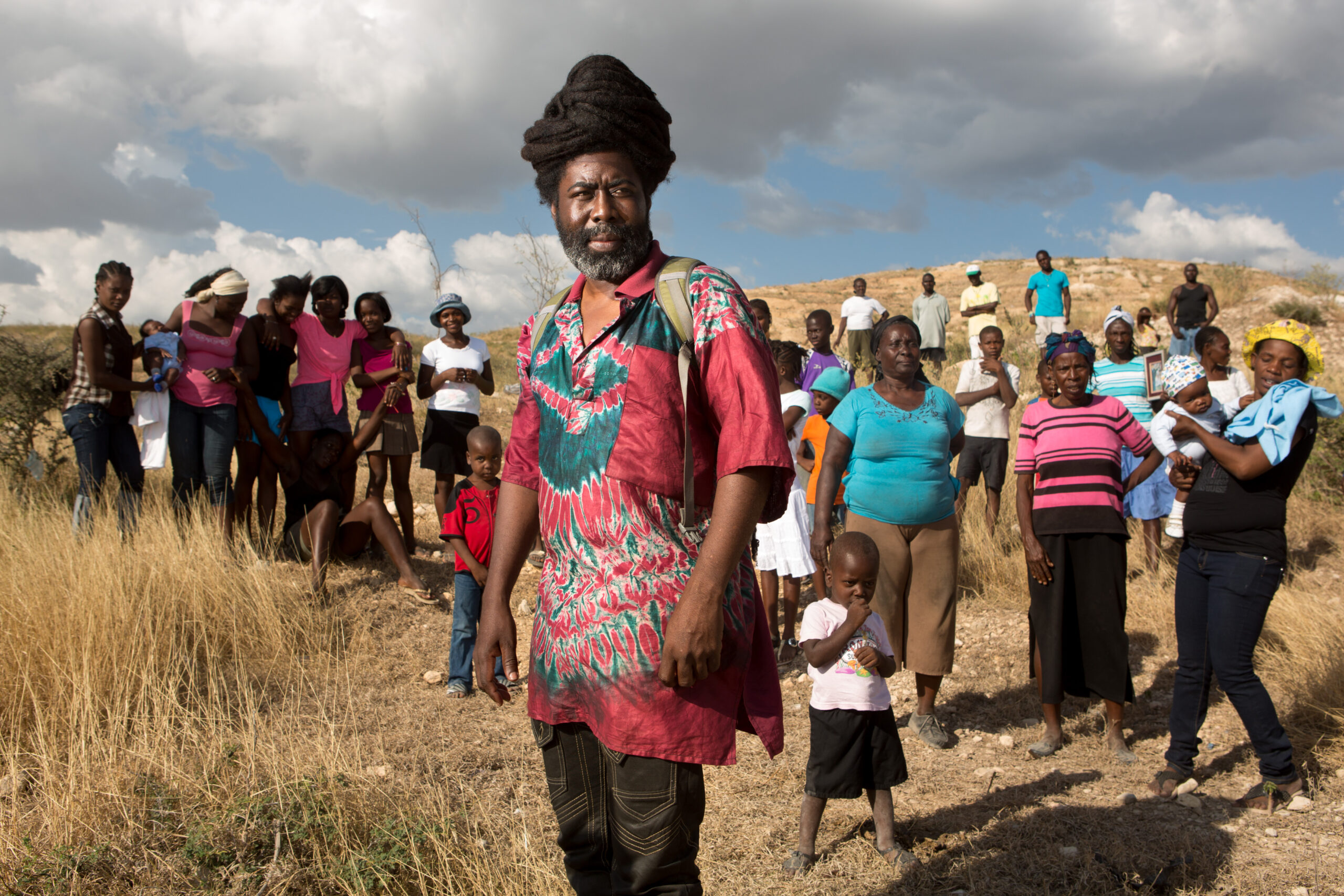
CANAAN, Haiti, Jan 12 (Thomson Reuters Foundation) – On a street of rocks and white dust in the centre of one of the world’s newest cities, Alisma Robert pointed to an array of electric cabling strung between rickety wooden poles.
“It wasn’t EDH that built that pole,” said Robert, referring to Haiti’s national electricity provider.
“It was us.”
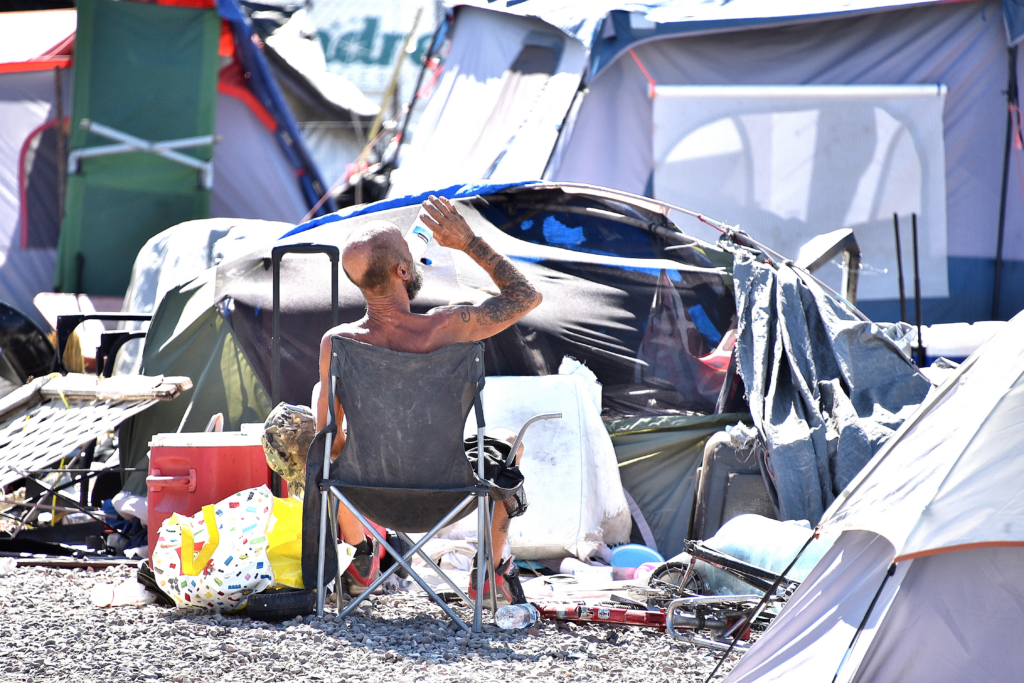
Nearly everything in the city of Canaan, which was founded in 2010 after a catastrophic earthquake, was built by residents without government help.
After waiting two years for electricity, Robert and his neighbours collected money from each household, erected the wooden poles, and wired up the cables to the house of a family who were connected to the grid.
“I’m a citizen – but not for the moment. I don’t have the benefits of a citizen. We don’t have drinkable water … No public toilets. The government doesn’t do anything for the people who live here.”
Nearby, his wife sat at a rickety table selling bread and bags of sugar. Few people came to buy.
“I don’t have work,” said the 52-year-old former teacher.