

-
Government faces a backlog of refugee applications
-
Many refugees struggle to use new online permit renewal system
-
Undocumented refugees lose access to bank accounts, education
By Kim Harrisberg
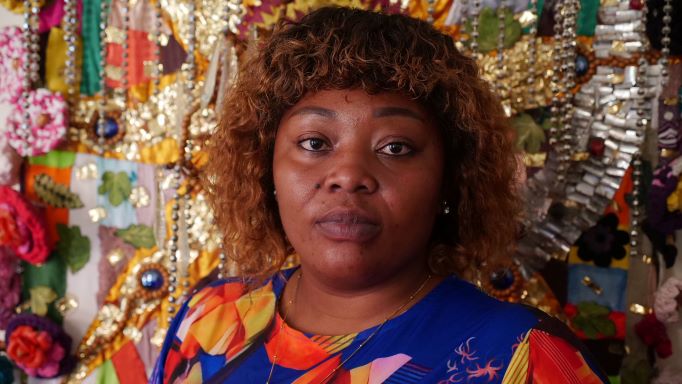
DURBAN, March 10 (Thomson Reuters Foundation) – When her refugee permit expired in June last year, Congolese nurse Marseline Buhoro started getting calls from her bank in Johannesburg saying her account would be frozen.
Then her children’s university told her they would not be able to graduate because her family was technically undocumented.
Buhoro pleaded for a grace period, explaining she had finally figured out how to apply for a renewal using the government’s new online system but had been waiting months for confirmation that her application went through.
“It’s like a second trauma,” said the 53-year-old nurse who came to South Africa in 2005 to escape a civil war that killed her husband and three of her children.
“They freeze your account, your landlord is on your neck, you can’t buy food because you have no access to money – then it’s the stigma of being in the country illegally,” she told the Thomson Reuters Foundation in a phone interview.
The new online system that went live in April 2021 was supposed to be a lifeline for refugees and asylum seekers who had not been able to renew their permits since refugee reception centres closed in 2020 during the national COVID-19 shutdown.
But refugee rights groups warn that tens of thousands of applicants have been struggling to navigate the new system or have failed to receive responses to their applications, causing them to miss a December 2021 deadline for permit renewals.
In late February, the Department of Home Affairs (DHA) announced in a government gazette that a new deadline would come into effect, giving applicants until the end of April 2022 to renew their permits.
But with South Africa’s refugee reception offices still closed, those struggling with the online system face the risk of deportation, bank account closures, evictions and police harassment once the new deadline passes.
While moving government services online can help save time and money, refugee advocates say it can also worsen the so-called digital divide – the gap between those who can access and know how to use the internet and computers and those who don’t.
Only half of African countries teach computer skills at school, compared with 85% of schools globally, according to the World Bank.
Internet connectivity is another challenge, with figures from the International Finance Corporation showing less than a quarter of Africans have online access – in Europe, the figure is 80%.
“Younger refugees have computer literacy, but many of the older refugees have limited experience on a computer,” said Abigail Dawson, an advocacy officer at the Jesuit Refugee Service (JRS), an international charity.
“Most refugees and asylum seekers work in the informal sector with precarious incomes. Data and access to Wi-Fi are an unexpected expense when having to go to an internet cafe,” Dawson said in emailed comments.