

By Thin Lei Win
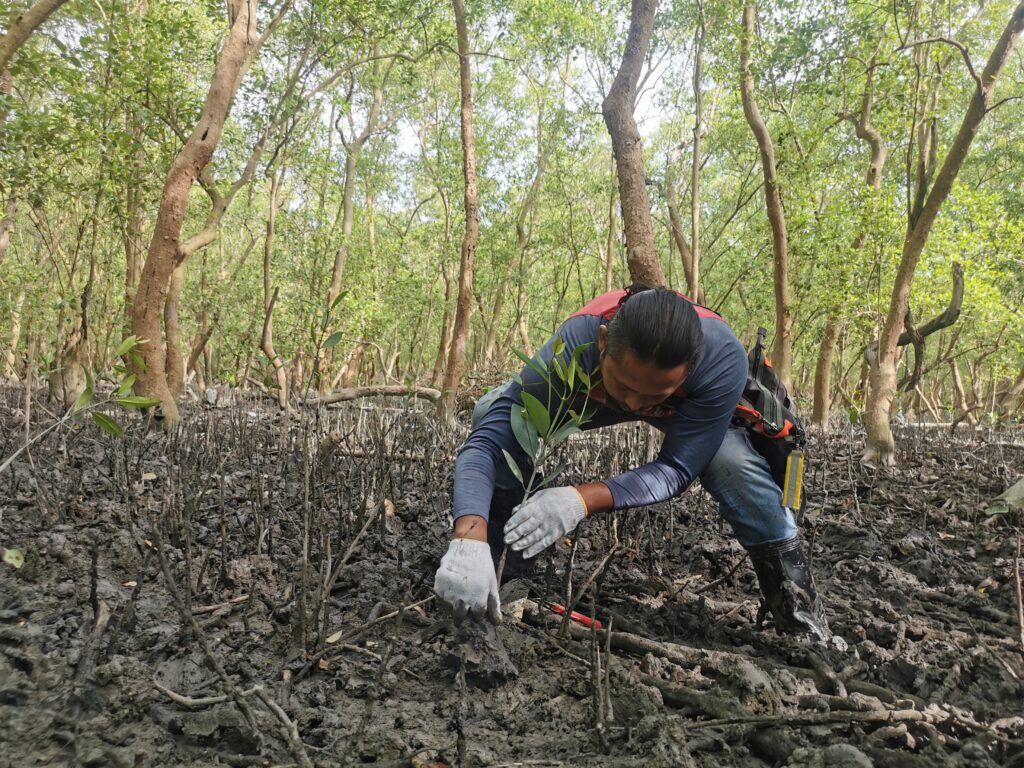
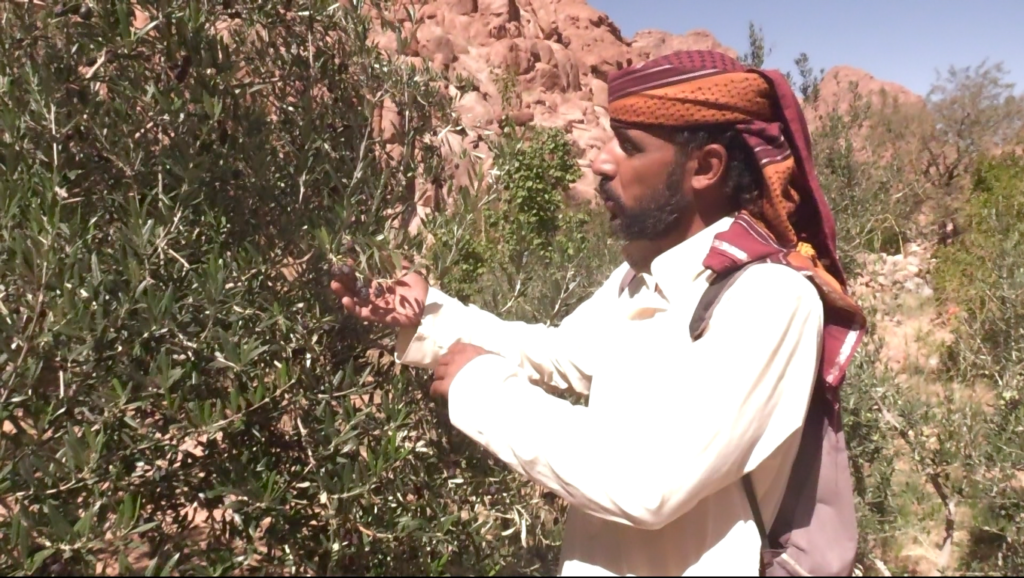
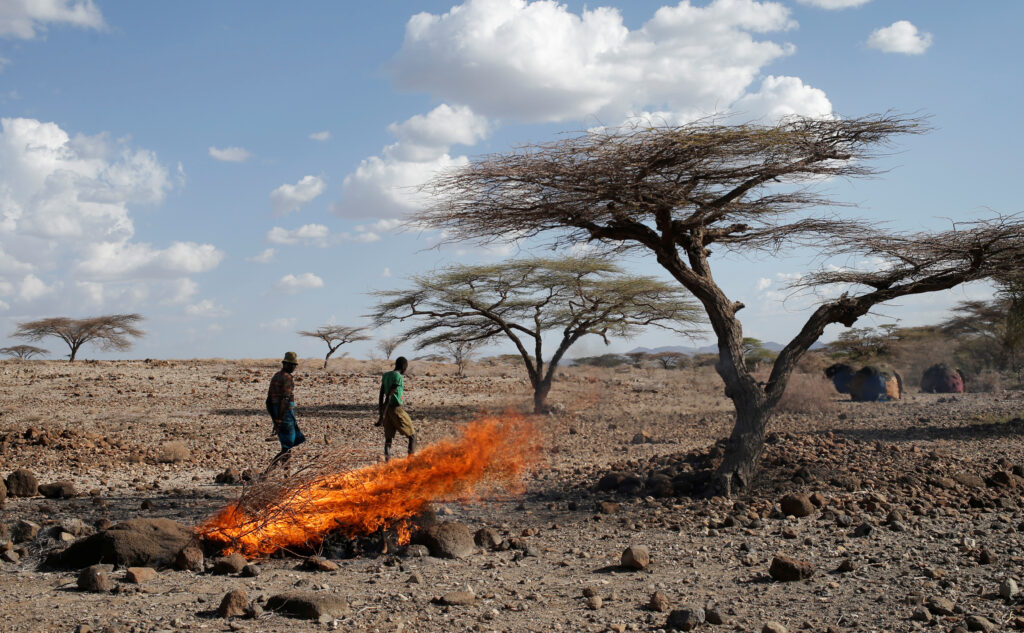
ROME, Feb 15 (Thomson Reuters Foundation) – Kenya’s livestock herders planting chilli peppers, Pakistan’s mountain farmers rearing fish and tropical fruits in Sicily – farmers around the world are already shifting what they grow and breed to cope with rising temperatures and erratic weather.
In a few more decades, potatoes from the Russian tundra and corn from once-frigid areas of Canada could be added to the list as vast swathes of land previously unsuited to agriculture open up to farmers on a hotter planet.
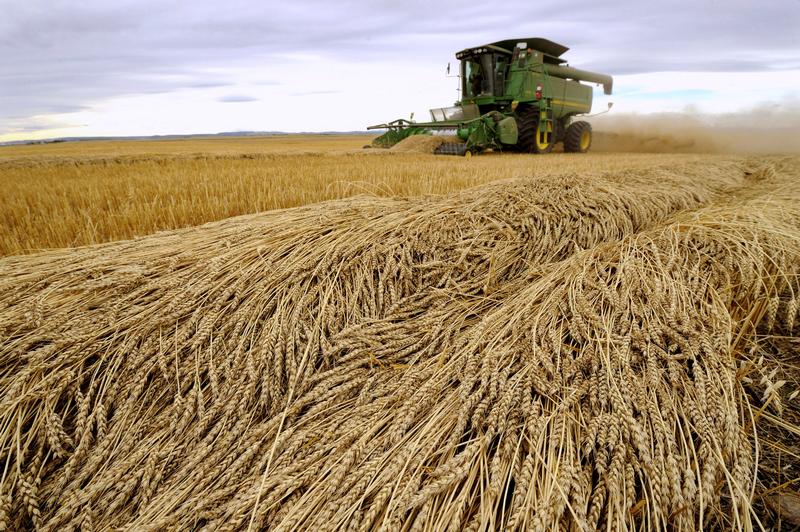
Climate change could expand farmland globally by almost a third, a study by international researchers found this week.
They examined which new areas may become suitable for growing 12 key crops including rice, sugar, wheat, oil palm, cassava and soy.
“In a warming world, Canada’s North may become our breadbasket of the future,” the scientists wrote.
But, they warned, opening up new “agricultural frontiers” would also bring significant environmental threats, including a risk of increased planet-warming emissions from soils.
In Canada, there is potential to at least double the country’s farmland to 2 million square kilometres, thus doubling food production, said study co-author Krishna Bahadur KC, an adjunct professor at Canada’s University of Guelph.
“This is the positive aspect,” he said.
Farming on the land identified in the study – more than half of which lies in Canada and Russia, with the rest including the mountains of Central Asia and North America’s Rocky Mountains – could help feed the planet’s growing population.
Today, one in nine people go to bed hungry, and the United Nations has said food production needs to increase by about 50% by 2050, when the global population is expected to reach nearly 10 billion.