

By Fabio Teixeira
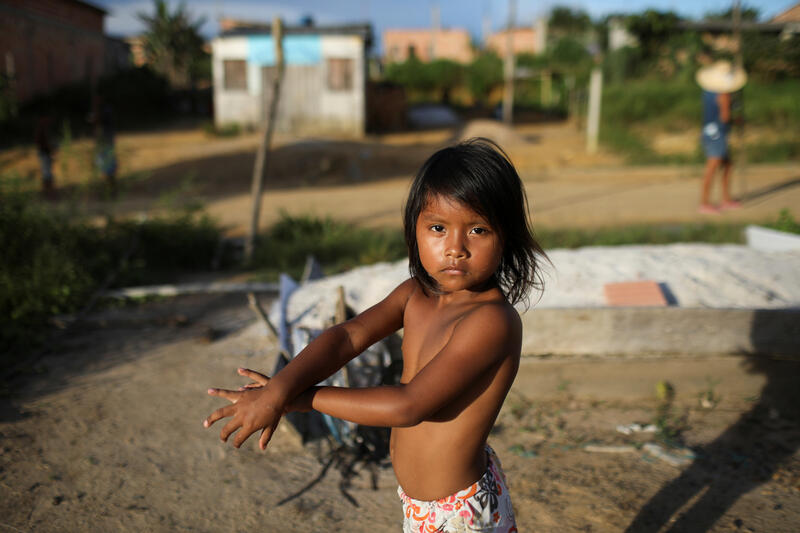
RIO DE JANEIRO, June 16 (Thomson Reuters Foundation) – In past years, when the smoke from the burning Amazon jungle reached the indigenous community of Diuna Livramento, in Brazil’s Amazonas state, people drank tea made from local medicinal herbs that soothed their lungs.
But as the 2021 “fire season” approaches, local leader Asterio Martins Tomas fears that this time herbal tea might not be enough, as many in his community – including himself – are still struggling with the after-effects of COVID-19.
“I still feel tired, and my chest is in pain. When I breathe, it hurts,” said Tomas, 60, who was infected with the coronavirus in March and briefly hospitalized.
The smoke, when it comes, will make life harder, he fears.
“It affects our lungs, our health. And there’s no escape, as everywhere there’s smoke.”
Worsening forest and bush fires are having increased and not-yet-well-studied health impacts on people exposed to them, according to a report by the Global Climate and Health Alliance, a consortium of health organizations from around the world.
The report, made public on Wednesday, analyzed communities affected by fires in Canada, Australia and Brazil. It found that exposure to forest fire smoke was linked to more emergency room visits.
In the long term, it also led to higher vulnerability to the most serious effects of COVID-19, researchers found.
The rate of coronavirus deaths among indigenous people in Brazil’s Amazon is nearly 250% higher than in the general population, according to a June study by IPAM, the Amazon Environmental Research Institute.
“More and more people are at risk from the long-term consequences of forest and bush fires,” said Jeni Miller, executive director of the Global Climate and Health Alliance, in a statement.