

By Dominic Kirui
FOROLE, Kenya, May 29 (Thomson Reuters Foundation) – As Tume Racha made tea for her grandchildren in the family’s small wood-frame house woven from rags and camel hides, she talked about what her community holds most sacred: its trees.
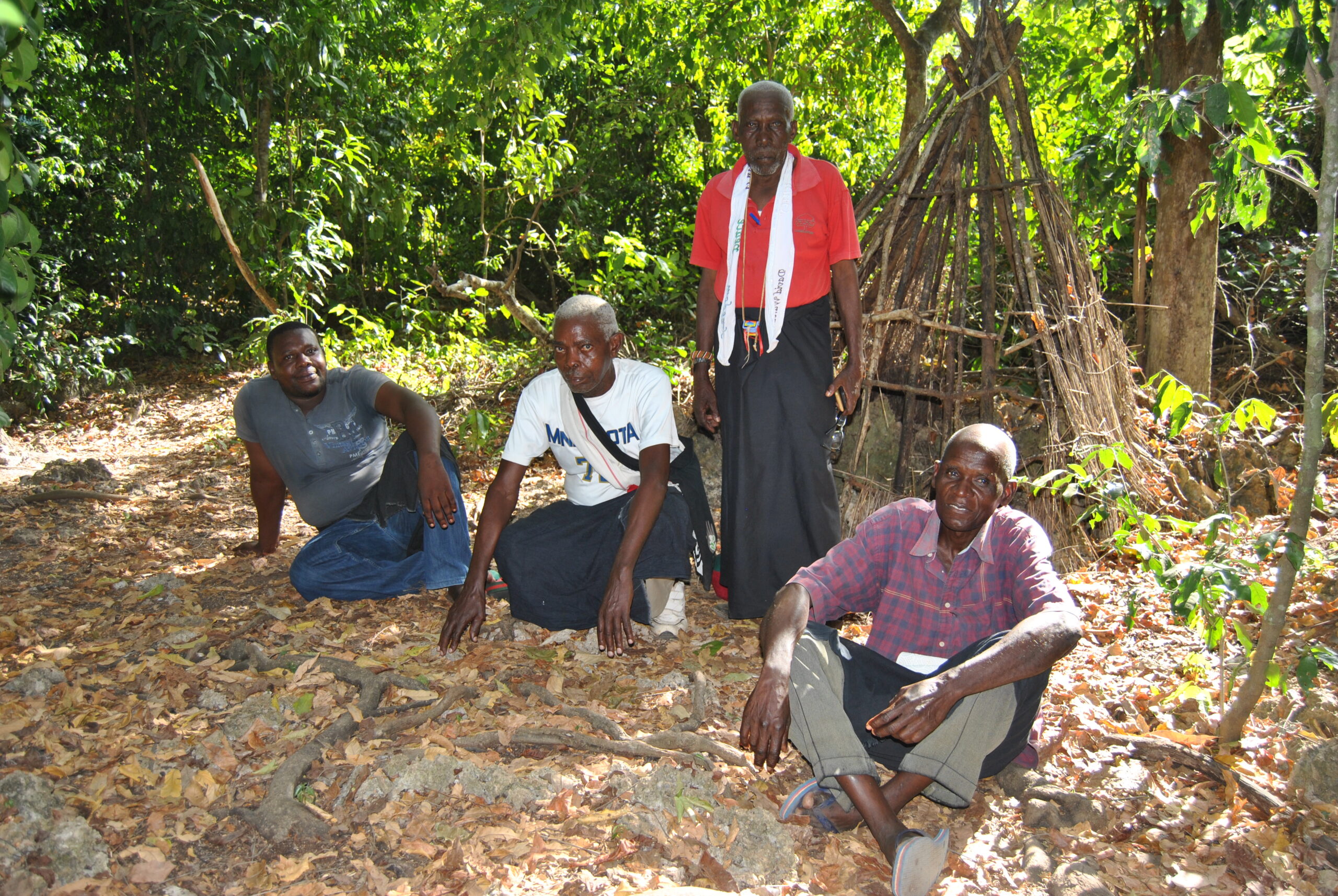
Racha, 50, belongs to the Gabra tribe, which lives on both sides of the border between northern Kenya and southern Ethiopia. Its members believe the nearby Forole mountain is a holy sanctuary.
The community of herders pray to the mountain whenever they need rain, and cutting down its trees is forbidden. If anyone from Racha’s village at the foot of the mountain is caught breaking that rule, they are cast out.
“Even children are taught from a young age that the trees within the village are not to be cut,” said Racha.
Across Kenya, nature-worshipping tribes have taken on the responsibility of protecting their local forests.
And their grassroots actions are making a small but significant difference as the rest of the country works to combat deforestation and restore its depleted forests.
Climate scientists say preserving forests is a key way to keep climate change in check, as trees suck planet-warming carbon dioxide from the atmosphere and store the carbon until they are burned or rot, when it is released back into the air.
Racha took pride in the lengths the people in her village will go to in order to keep their forest untouched. If anyone needs firewood or building materials, she explained, they must travel 10 km (6 miles) to the community’s grazing fields.
And if a family decides to move, they can only take the wood from their dismantled home if it comes from outside the village.
CALL TO COMMUNITIES
With less than 8% of its land now covered with forests, according to World Bank data, Kenya is struggling to reach the minimum level of 10% recommended by the United Nations.
During the launch of a new greening initiative in April, environment minister Keriako Tobiko stressed that communities should help with restoring the country’s forests.
The effort “requires collaboration and huge investments that are beyond (the) government’s capacity”, he added.
Of the 2.5 million hectares (6 million acres) of forest recorded by the environment ministry, around 140,000 hectares are “heavily degraded”, he said, and the forestry service alone can only restore up to 5,000 hectares each year.
“You can see how much time it will take to regenerate all 140,000 hectares,” said Mugo Mware, head of environmental studies at Karatina University in central Kenya.
Mware applauded the strict rules in Forole as an example of how communities can take charge of conservation.
“This is good practice, and it is sustainable” – as long as villagers properly manage how they use the wood they get from their grazing lands, he said.
“These are people with needs, so there should be some balance,” he told the Thomson Reuters Foundation.
According to Forole resident Wato Ramata, young herders are tasked with planting new trees on grazing land to replace any that are cut down, as well as guarding them from outsiders.
“This is because people here have recognised the importance of trees and they know the value of protecting them,” he said.