

By Elias Ntungwe Nagalame
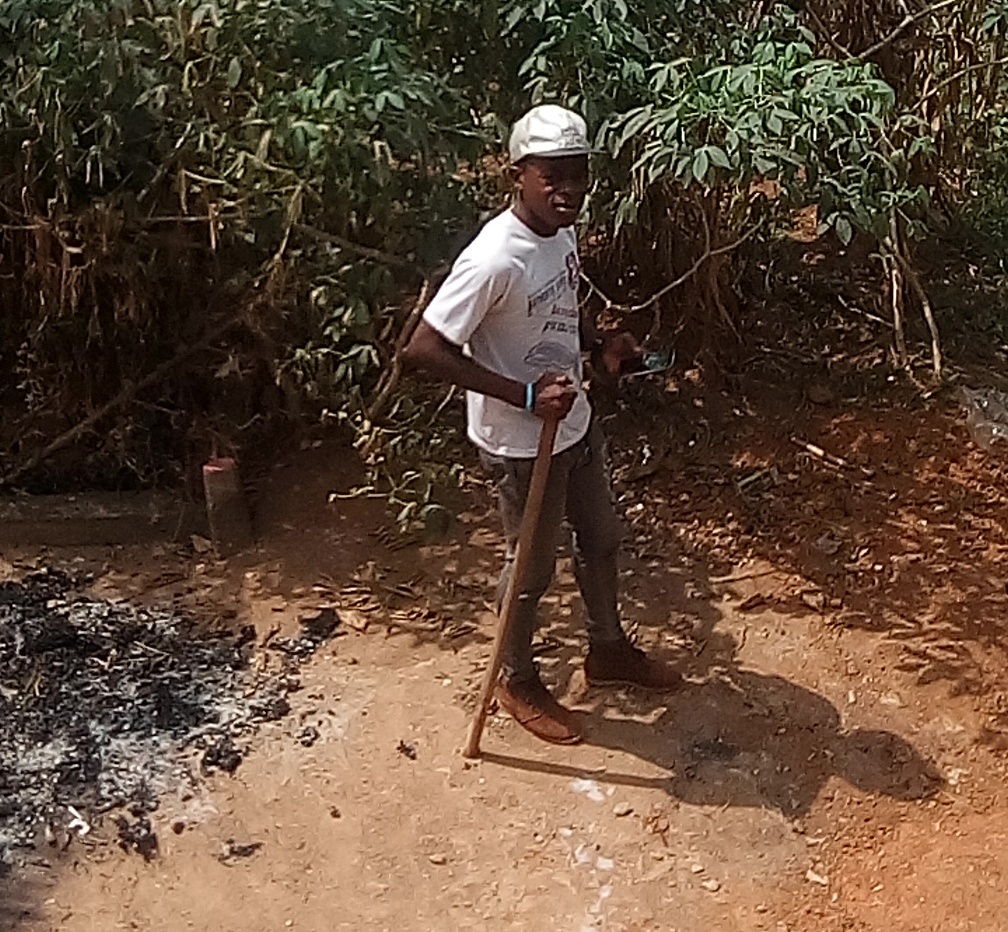
KADEY, Cameroon, Feb 3 (Thomson Reuters Foundation) – In an innovative push to combat illegal logging and the corruption that enables it, community volunteers in Cameroon are being trained to use smartphones to take geo-tagged images of freshly cut stumps and relay the information to the authorities.
Under a partnership between the government and environmental groups, young people are using satellite-linked phones to document tree-cutting in areas where logging is not allowed.
They can then upload the photos and make toll-free calls to report the suspicious activity, not just to the police and forest ministry, but also to the National Anti-Corruption Commission, said Bangya Dieudonne, a forestry and wildlife official in Kadey, in the country’s East Region.
“Getting these three institutions informed makes it difficult for forest exploitation criminals to bribe their way through,” he said.
Training frontline forest defenders aims to reduce illegal deforestation, which is depriving the government of billions of CFA francs in income, hurting communities that make their living from the forest, and making the country more vulnerable to the effects of climate change, officials said.
With corruption continuing to hamper forest management, new and stronger measures are needed, Dieudonne said.
So far, more than 100 people have been trained as community “forest defenders” in the East Region and other areas where logging has been especially prevalent, officials said.
The training has been organised in collaboration with FODER (Forest and Rural Development), a Cameroonian group that works with communities to monitor forest activities, combat corruption and improve governance of forests. The Rainforest Foundation UK is also supporting the project.
Rodrique Ngozo, FODER’s chief of programmes, said the forest defenders would act as whistle-blowers under the legal protection of the government.
Such work can be risky, however. Global Witness, an international human rights organisation, documented 185 killings of people defending their forests, land or rivers across 16 countries in 2015, the highest annual death toll on record.
Eric Tah of Cameroon wildlife law enforcement organisation LAGA, which works with the government, described the forest defenders’ work as “a tough job”.
“You must be committed to do it and the government is aware of the dangers involved,” he said.
Security has been beefed up by deploying elite soldiers in forested areas to support forest guards and community defenders in their efforts to stop illegal operators, he added.