

By Soumaila T. Diarra
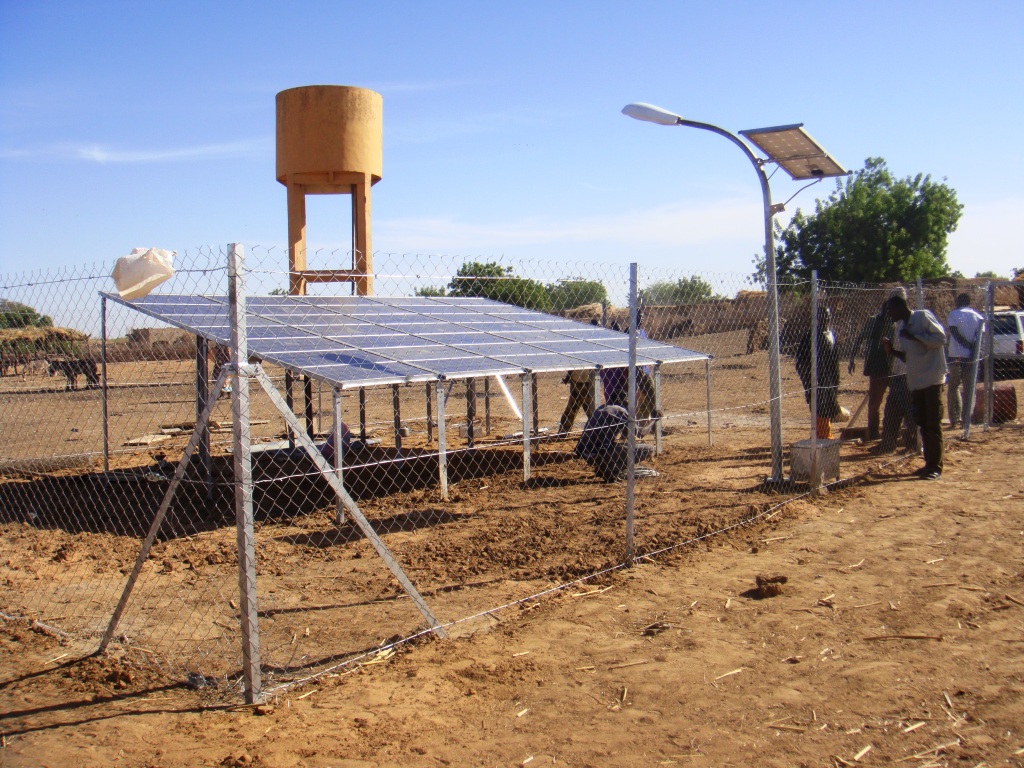
BAMAKO, Aug 4 (Thomson Reuters Foundation) – Residents of Mali’s capital, Bamako, and surrounding areas will find it easier to switch on power in their homes thanks to local banks that have begun offering credit to buy solar energy equipment.
The government’s Agency of Renewable Energies (Agence des énergies renouvelables – AER), which is leading the project, says requests for the hire-purchase solar kits are coming in thick and fast.
“This project matches international climate debate priorities,” said the agency’s director-general, Souleymane Berthé, noting that a boost in clean energy use would help Mali curb its planet-warming emissions.
Berthé thinks solar power can offer a solution to Malians’ electricity problems, providing them with power in their homes – and there is no need to wait until the billions of dollars in international assistance promised at U.N. climate change negotiations are flowing more freely.
“We have to find internal resources to fund local, clean development before the resources donors announced… arrive,” he said.
Berthé said the Mali loan programme, intended to jump-start household use of solar power, may qualify to sell carbon credits under the United Nations’ Clean Development Mechanism, but has yet to apply.
“One of the advantages of renewable energy loans is offering cheaper electricity to households,” said Aminata Fofana, an advisor to Mali’s energy minister.
The Malian government signed agreements with 10 local banks in June to offer solar systems approved by AER experts to customers on credit.
“If a bank can allow me to pay for a solar energy kit over time, I won’t hesitate to request a loan,” said high-school teacher Aguibou Samake, 39.
AFFORDABLE ENERGY
Mali is one of the world’s poorest countries, with around half its population living on less than $1.25 a day, according to U.N. data.
That means most families cannot afford a solar energy kit – including solar panels, batteries and lights – which can cost as much as $1,000 upfront.
“The cost of initial investment discourages many wanting to shift to solar energy,” Berthé said.
More than 100 kits have been sold under the new programme so far, he added.
Each customer will pay back 500,000 CFA francs (around $848), according to a schedule set by the bank.
Gaoussou Mariko, administrative secretary of the Mali bankers’ association, believes the scheme is set for success after attracting the participation of 10 banks in just one day.
“I don’t remember a product having been accepted like that before,” he said.
In late June, bank staff received training in how to promote the new solar systems. “If you want to sell a product, you need to know it first,” said Mariko.
Interested clients register at their bank, which purchases the solar kits from a local business approved by government experts.