

By Naimul Karim
KUTUPALONG REFUGEE CAMP, Bangladesh, Aug 24 (Thomson Reuters Foundation) – R ohingya refugee Shofika Begum can’t stop the flashbacks from two years ago when her husband and sister were shot dead and she was raped in her village in Myanmar that was then torched.
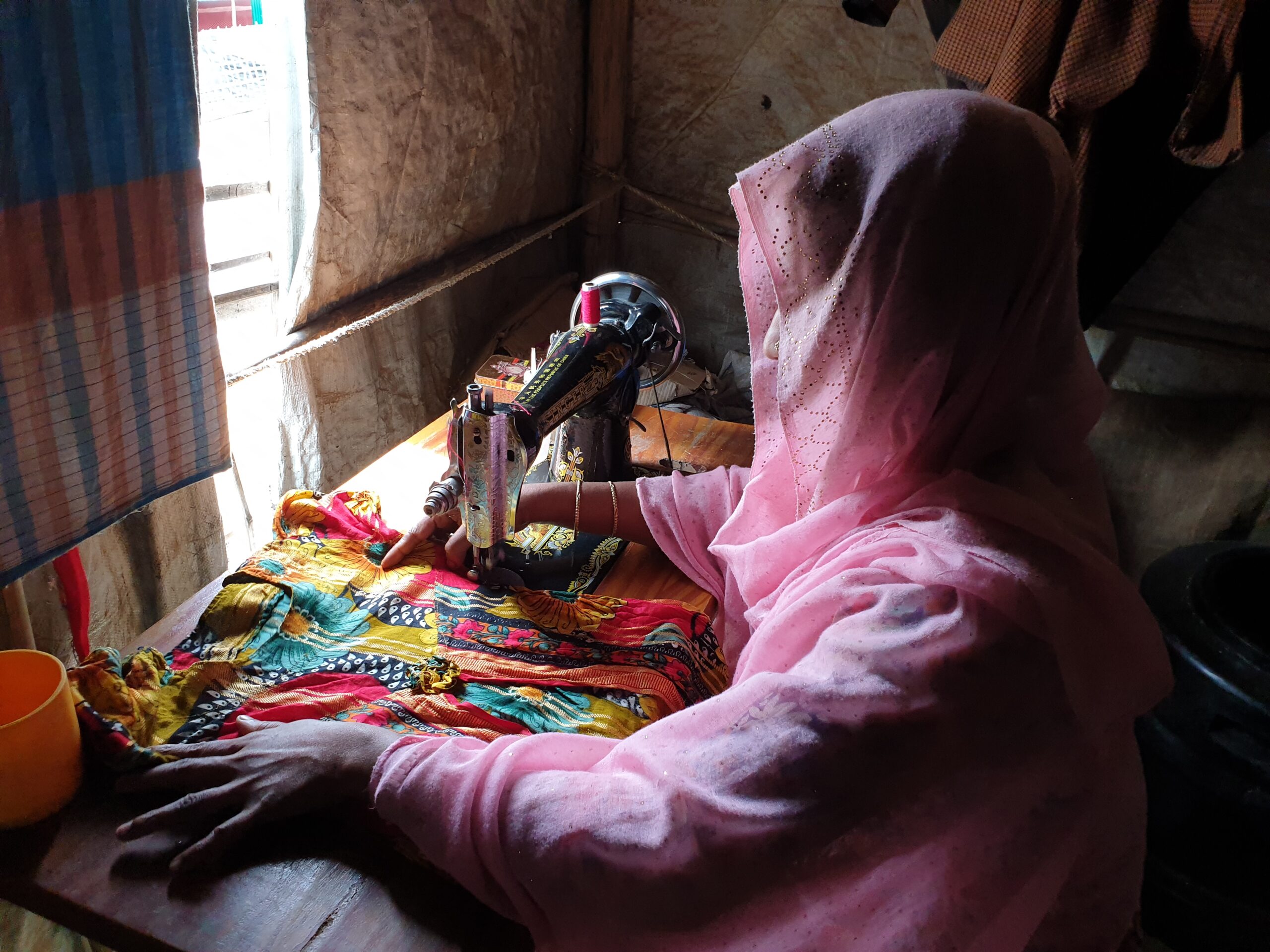
Begum, 22, escaped and now lives in the world’s largest refugee settlement in southeast Bangladesh, where she leads a group of about 70 Rohingya women tailors, all of whom survived rape or witnessed horrific killings before fleeing Myanmar.
All hope the cooperative Testimony Tailors will help them support their families and regain control of their lives, but they are battling a new threat – resistance to women working and taking leadership roles in their conservative Islamic society.
For in the Rohingya’s previous lifestyle in Myanmar, women rarely left the house and were segregated from men.
“There’s a mixture of opinions among people on working women,” said Shamima Bibi, a Rohingya refugee and founder of the Rohingya Women’s Education Initiative in the camps that house more than 900,000 people near the coastal town of Cox’s Bazar.
“Those who agree, praise us a lot … but those who don’t, they discourage women by calling them bad names and refer to them as illegal people of the community.”
Two years after more than 730,000 mostly-Muslim Rohingya fled Buddhist-dominated Myanmar after decades of under apartheid-like restrictions, women are struggling to reposition themselves in society.
The Rohingya fled Myanmar to join others in neighbouring Bangladesh to escape a military offensive the United Nations called “ethnic cleansing” of one of the most oppressed people.
From the outset women and girls – who make up 52 percent of the refugee population – were deemed by authorities as the most vulnerable group, at risk of sexual and other violence.
Working with refugee women, non-government organisations and charities set up women’s centres in the camps, health clinics, and training for women in sewing, crafts, and printing among other skills to help them set up their own businesses.