

By Nicola Milne
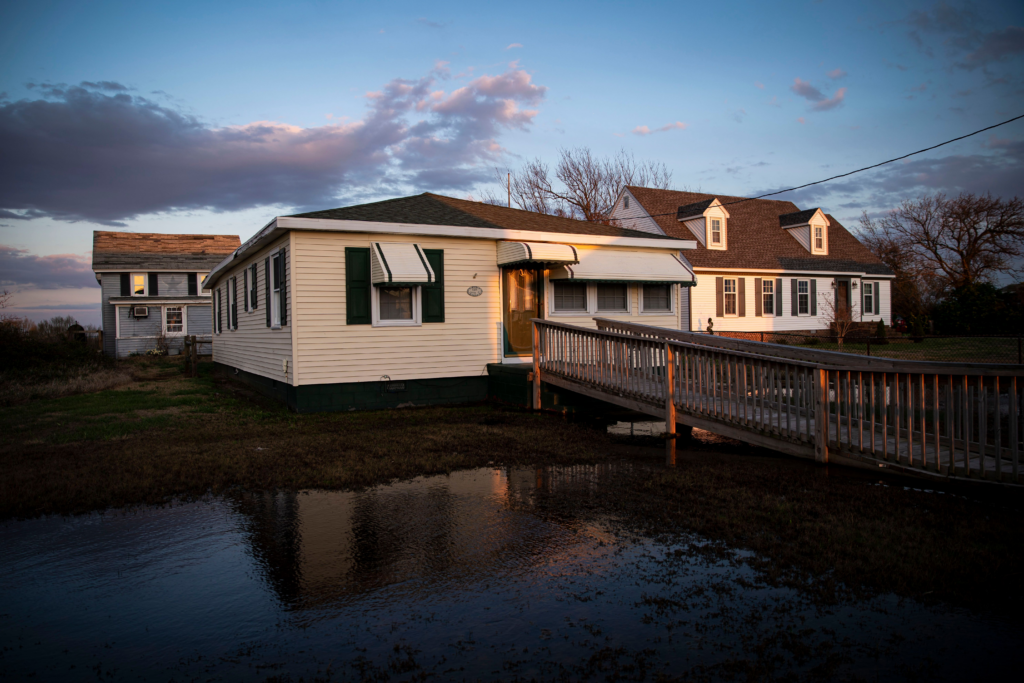
MAJURO, Jan 16 (Thomson Reuters Foundation) – In the low-lying Marshall Islands, even a former president must deal with seawater washing into the garden of her modest home as ocean levels creep higher on a warming planet.
“It’s getting worse here every year,” said Hilda Heine, the Pacific island’s first female leader, days after losing the presidency to her political rival, David Kabua.
“Water comes over my own seawall here in my garden every month. Other global leaders may not take this so seriously, but we can’t close our eyes,” Heine told the Thomson Reuters Foundation, sitting under a coconut tree at her house in the capital, Majuro.
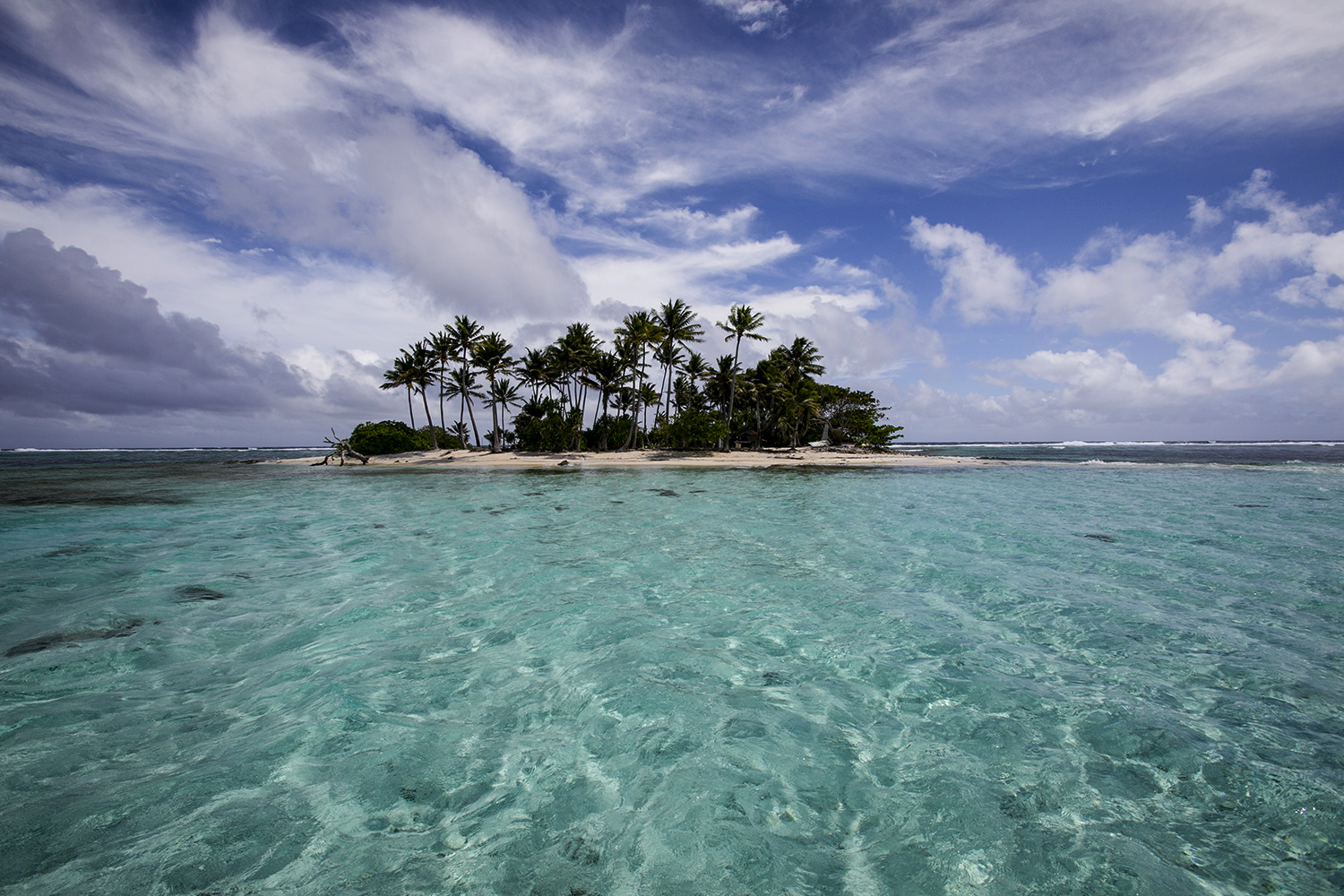
The Republic of the Marshall Islands comprises about 30 far-flung tropical atolls set between Australia and Hawaii. The average elevation of most of them is roughly 2 metres (6.5 ft) above sea level.
Tidal waves, known locally as “king tides” or “inundations”, flood the land regularly with increasing ferocity, leaving behind piles of car tyres, tin cans and other waste and debris.
In island countries with higher points, there are places to retreat to – mountains or hills where communities can regroup, Heine explained.
But in the Marshall Islands – controlled by the United States for more than three decades until 1979 and a site of its nuclear weapons testing on Bikini Atoll – there is nowhere to go.
People are regularly evacuated from their homes as rising seas claim more of the islands’ often cramped and flimsy houses, threatening to make them uninhabitable in coming decades.