


By Manipadma Jena
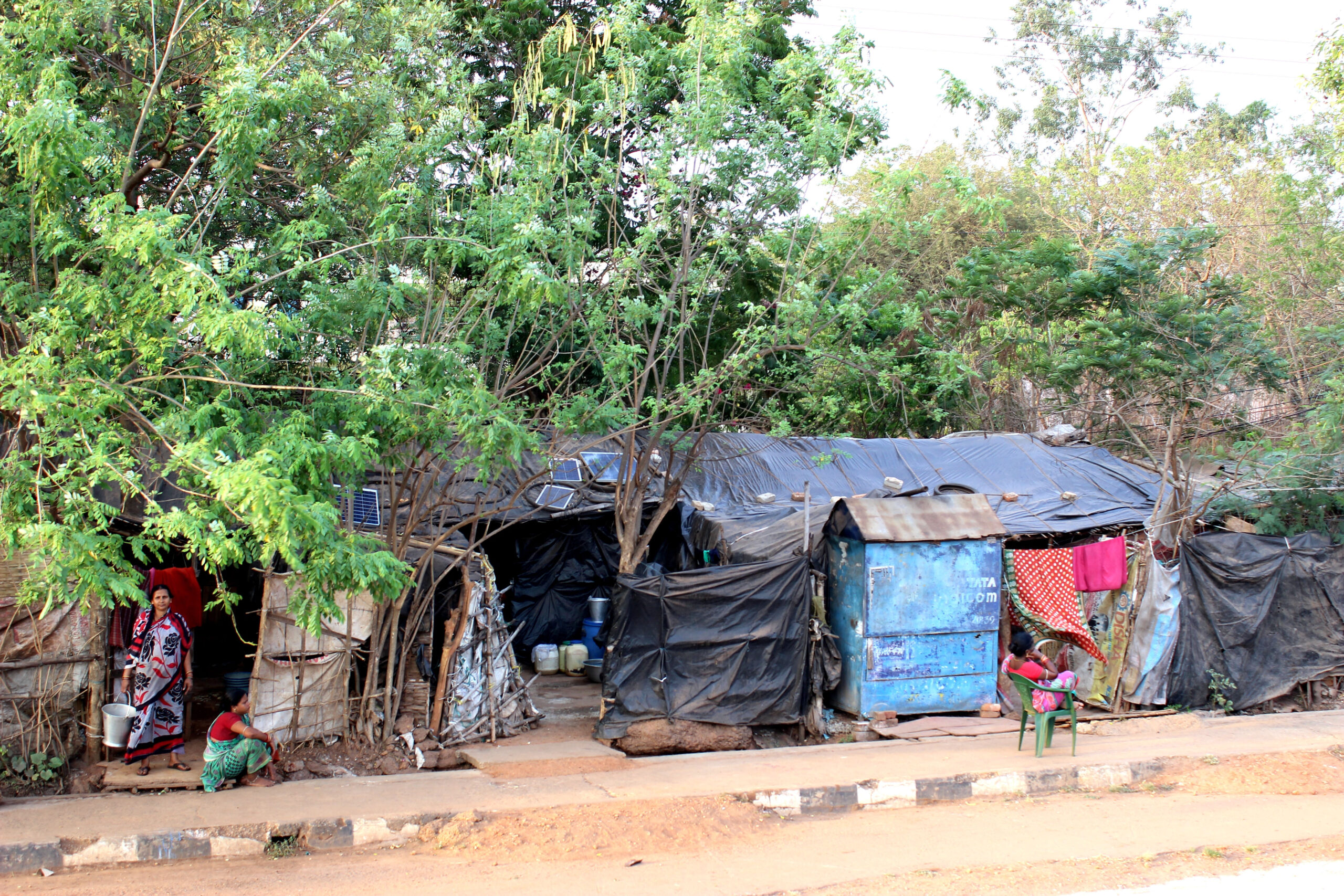
BHUBANESWAR, India, Sept 25 (Thomson Reuters Foundation) – Kumari Behera carefully folds a set of heavy brown jute sacks, stacking them in a corner of her small, windowless shack.
Splashed with water every two hours and arrayed on her tin roof, they have served as her air conditioning this summer – the only option available to cool her home in the face of increasingly brutal summer heat.
The 54-year-old is sure she’ll need the sacks again next summer.
This year temperatures in Bhubaneswar, a city near the coast in eastern India, did not reach last year’s record mark of 46.8 degrees Celsius (116 degrees Fahrenheit).
But stiflingly high humidity, combined with surging heat, nonetheless made city temperatures “feel” above 50 degrees Celsius in April and May, experts say.
Bhubaneswar, near the Bay of Bengal in India’s Odisha state, is used to coping with sweltering summer temperatures of 36 to 40 degrees Celsius, experts say.
But temperatures above that, combined with the sultry humidity – which makes conditions feel 10 degrees Celsius hotter, according to the city’s heat action plan – are rapidly making summers seem unbearable.
And the heat is starting earlier. March this year began with temperatures of nearly 38 degrees Celsius (100 degrees Fahrenheit), 4 degrees hotter than normal, according to the Indian meteorological office, which began issuing heat warnings in 15 Indian states that month.
“By mid-March the house was burning like my wood cookstove,” said Behera, who works as a domestic maid. Her family, migrants from Odisha’s cyclone-prone Ganjam district, squats with 11 other families on a legally disputed plot near the city’s bus stand.
“Most of us spent nights on straw mats outside the huts without even a sigh of a breeze anywhere, only able to sleep closer to dawn for around three to four hours,” she told the Thomson Reuters Foundation.
“Then we’d have to go inside because it was like sleeping on a public street – and we had to go for work anyway,” she said.