


By Kim Harrisberg and Anastasia Moloney
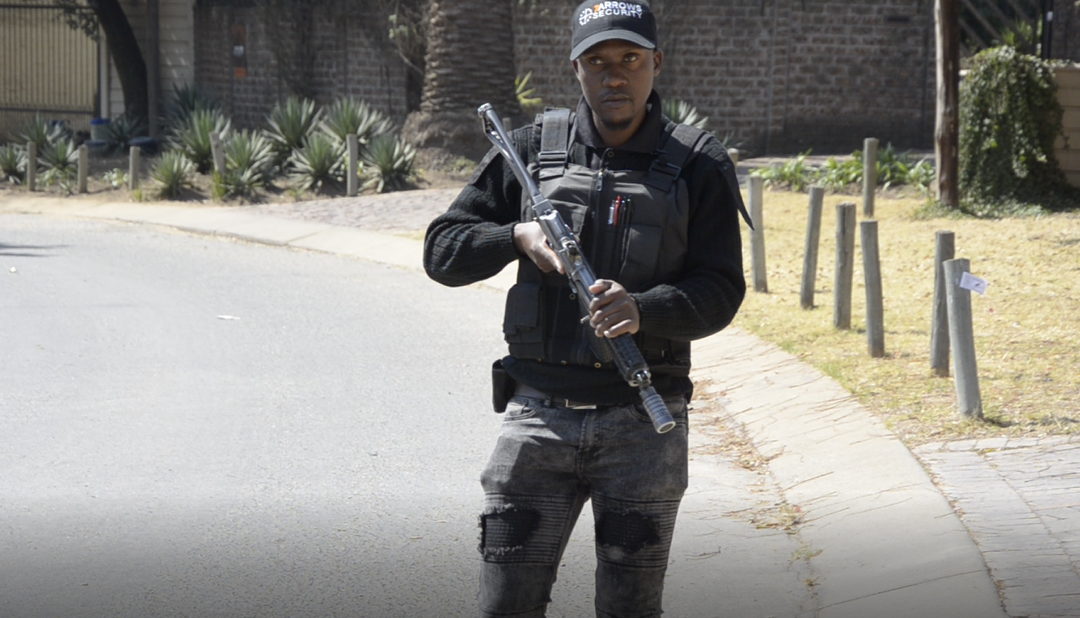
JOHANNESBURG/ MEDELLIN, Oct 16 (Thomson Reuters Foundation) – Mothibi Pheko’s gun rested across his bullet-proof vest as he patrolled a lush Johannesburg suburb backed by an array of high-tech tools to combat South Africa’s notoriously violent thieves.
As he pulled over to check on residents, staff in the nearby control room monitored surveillance camera feeds from around the properties.
“We are proactive when it comes to crime prevention, not only reactive,” said Pheko, who works with local security firm 7Arrows, pointing out several closed-circuit television (CCTV) cameras on different corners of the Sandown gated community.
“Every person has a right to be safe.”
A growing number of cities worldwide are using advanced CCTV systems and forensic tools like DNA databases to tackle crime, raising concerns that privacy is being lost while criminals are merely being pushed to poorer areas with less surveillance.
Security experts say state-of-the-art gadgets are no substitute for efforts to address underlying causes of crime, such as high unemployment and inequality, or to reform corrupt and overburdened law enforcement agencies.
To speed up its response, 7Arrows buys live footage from 1,500 CCTV cameras around Johannesburg – set to increase to 15,000 by February – that can read licence plates in high definition and use thermal detectors for poor visibility.
“Vumacam’s vetted clients who have access to view our feed can choose to overlay a number of software options that will help generate alerts,” said Ricky Croock, chief executive officer of Vumacam which is rolling out the cameras.
“Analytic software filters out 95% of footage and only unusual behaviour is sent to clients who then decide whether to dispense a security vehicle.”
THIS STORY IS PART OF AN IN-DEPTH PACKAGE ON THE FUTURE OF CITIES. READ MORE HERE.