

By Nellie Peyton
DAKAR, Oct 27 (Thomson Reuters Foundation) – Leyla Gouzaye knew the trauma her 14-year-old niece would face when the girl was promised in marriage to an older man in their Niger village.
Gouzaye herself had been married at 14 to a 34-year-old man she didn’t know, in order to pay an uncle’s debt.
After falling pregnant and running away, she has joined the ranks of young activists across West Africa who intervene to stop child marriages in their communities, often risking family estrangement to save other girls from a similar fate.
Niger has the world’s highest prevalence of child marriage, according to the U.N. children’s agency (UNICEF), with three in four girls married under the age of 18.
Driven by poverty, religion and insecurity, marrying off girls once they reach puberty or even before is a deeply engrained tradition in much of West and Central Africa, but with detrimental effects on health, education and development.
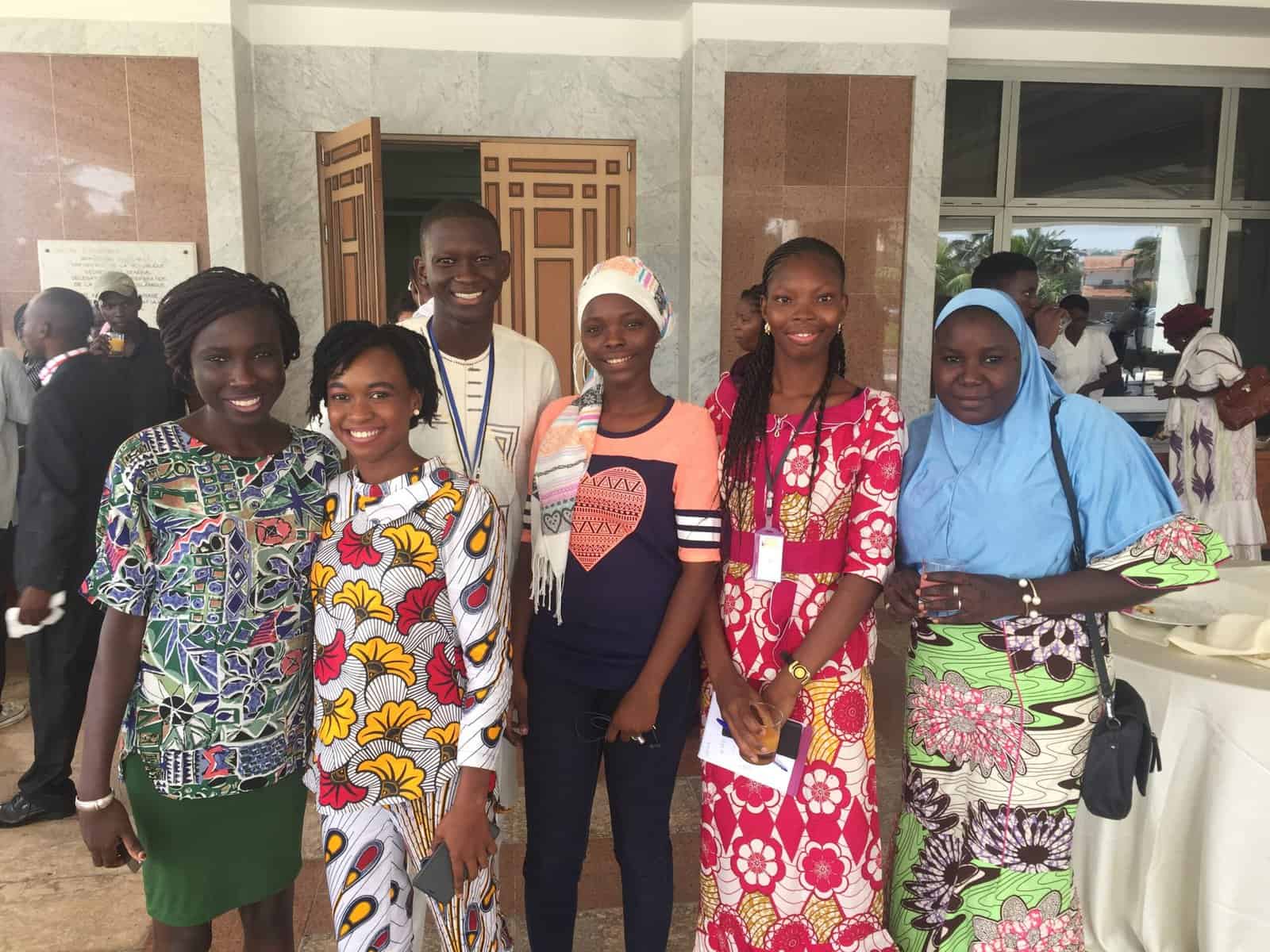
As leaders from across the region met at a landmark conference in Senegal this week to confront the issue, Gouzaye and other youth activists also came together to share strategies and ideas.
Now 21, the student said she managed to stop her niece’s marriage and those of several friends.
“I explained the problems I had experienced, and I gave the parents’ numbers to the police,” she told the Thomson Reuters Foundation. The authorities threatened legal action if they did not call off the marriages, she said.
“Now we’re all in our final year of high school together.”
The legal age of marriage for girls in Niger is 15, with a law proposed but not yet passed to change it to 18.
Girls rarely go to the police but are increasingly aware that they can contact organisations who will send a representative to talk to their parents, Gouzaye said.
More and more girls are seeking support, said Niger country director Johnson Bien-Aime of child rights organisation Plan International, which has stopped several marriages in this way.
“It’s starting to change,” Gouzaye said. “There are lots of girls who have escaped because they know their rights.”