


By Michael Taylor
KUALA LUMPUR, Nov 6 (Thomson Reuters Foundation) – Iim Fahima Jachja cannot operate a vehicle and relies on a driver to get around the Indonesian capital, Jakarta, but that did not stop her from putting road safety at the heart of her women’s empowerment startup.
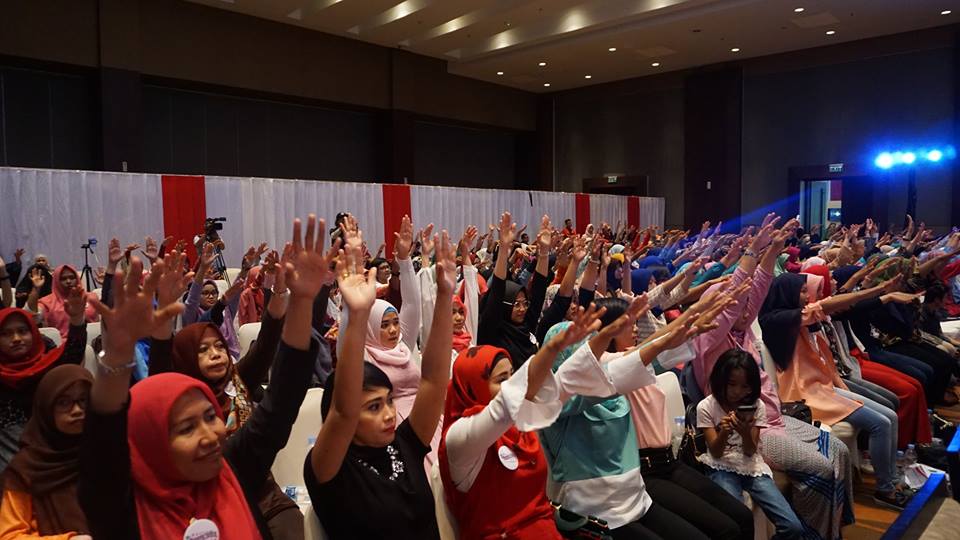
Since launching in late 2016, Queenrides has attracted 200,000 members to join its website.
Aside from reading articles about lifestyle and financial management, members can also gather in person for workshops covering topics like sexual health and family planning.
But road safety has been a focus from the beginning said, Jachja, a mother of two.
“When you are safe on the road, you can be the best you want to be,” she told the Thomson Reuters Foundation by phone from Jakarta.
Road deaths are high in Indonesia, according to the transport ministry, which counted 162,000 fatalities last year, compared to 136,000 in 2015.
In a country undergoing rapid urbanisation as incomes increase, more people are buying vehicles, putting stress on the road network.
Many drivers avoid taking tests by paying corrupt officials for driving licences, said Jachja.
The road risks are rising for women in particular, she said, because changing social attitudes mean that more of them are working and commuting.
At the same time, relatively few women have taken driving lessons and tests to acquire licences, she said.
Only about 20 percent of 7,500 Queensrides members surveyed said they had taken a driving test.
“This is a major issue – this is a crisis – but people haven’t noticed the situation,” said Jachja about the number of road deaths in Indonesia.
Low-income countries have fatality rates more than double those in high-income countries, according to the World Health Organization (WHO).
There were 104 million registered vehicles in Indonesia, a nation of 238 million people, according to the WHO’s latest report on road safety published in 2015.