

By Nita Bhalla
KITUI, Kenya, June 6 (Thomson Reuters Foundation) – Kenyan farmer Abel Mutie Mathoka thought it must be a joke when he was told he could irrigate his drought-hit crops more cheaply, cleanly and efficiently using a pump fuelled by cotton waste.
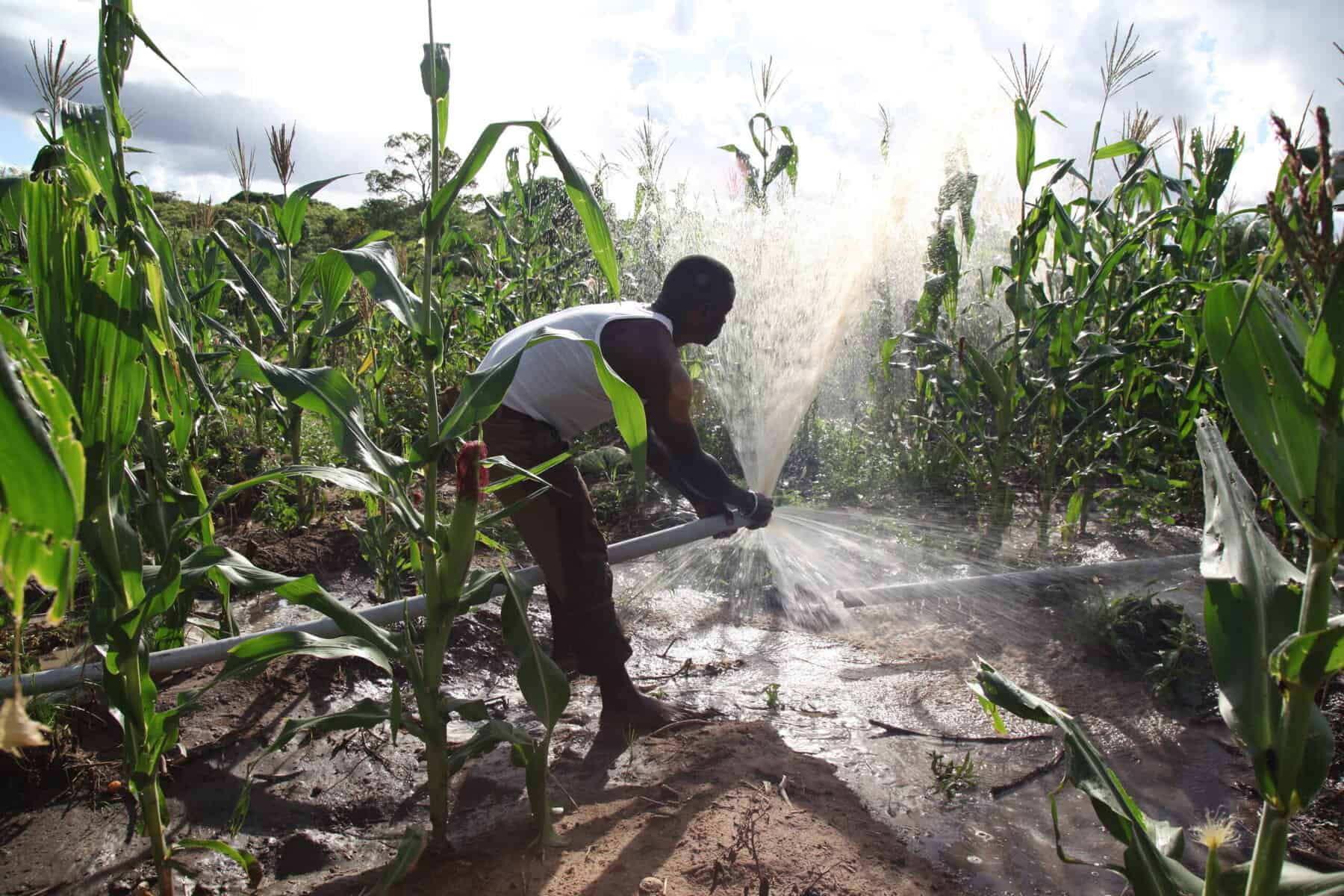
“Who could believe it’s possible to make a fuel better than diesel from cotton seeds? I didn’t!” laughed Mathoka, crouching down to inspect the watermelons on his 10-acre (four-hectare) shared plot in Ituri village in Kenya’s southeast Kitui county.
“But it works,” he said, walking over to a nearby tree and plucking a large green pawpaw. “Irrigation with this biodiesel water pump has helped me get higher yields, especially during drought periods.”
Mathoka said his earnings had doubled in the two years he has been pumping water using biodiesel, which is both more efficient and 20 shillings ($0.20) per litre cheaper than regular diesel.
The biodiesel he is using is not just good news for him – it is also good news for the planet.
Unlike most biofuels, which are derived from crops such as maize, sugarcane, soybean, rapeseed and jatropha, it is made from a byproduct of the cotton-making process.
That means that as well as being cleaner and cheaper than regular fuel, it is more sustainable than other biofuels because no extra land is needed to produce it.
From Brazil to Indonesia, the rush to cultivate biofuel crops has driven forest communities off their land and pushed farmers to switch from crops-for-food to more profitable crops-for-fuel – exacerbating food shortages.
“Our biodiesel comes from crushing cotton seeds left over as waste after ginning – the process of separating the seeds from raw cotton,” said Taher Zavery, managing director of Zaynagro Industries Ltd, the Kitui-based company producing the biodiesel.
“We started producing and using it to power our cotton ginning factory in 2011. With increased production, we now use it for our trucks, sell it to the United Nations to run some of their buses – and also to local farmers for irrigation.”
More than 1,200 farmers in Kitui have so far invested in biodiesel pumps for irrigation as part of an initiative launched by Zaynagro in 2015, said Zavery.