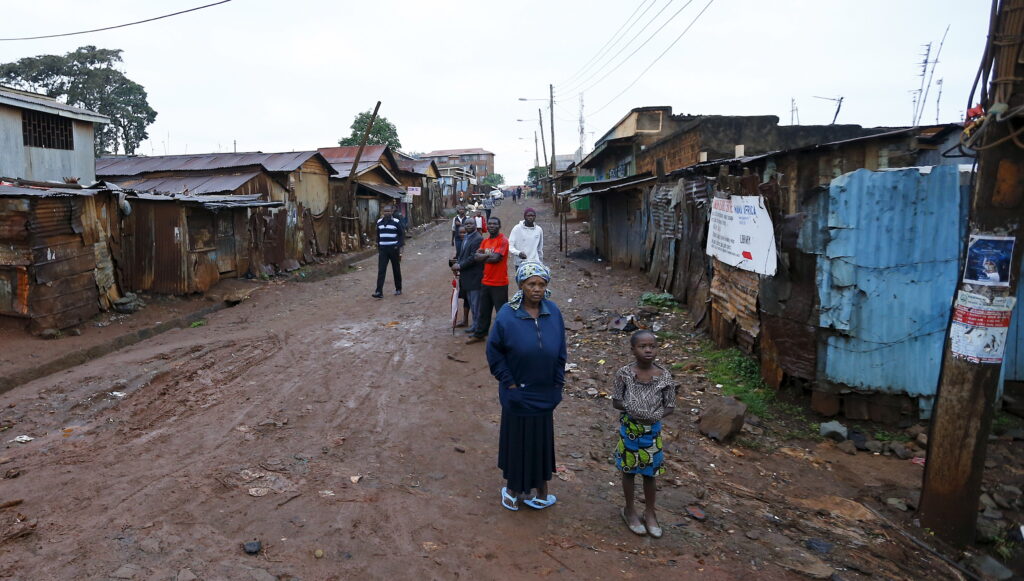


NAIVASHA, Kenya – The shores of Lake Naivasha in Kenya’s Rift Valley are dotted with bustling shanty towns but it has not always been like this.
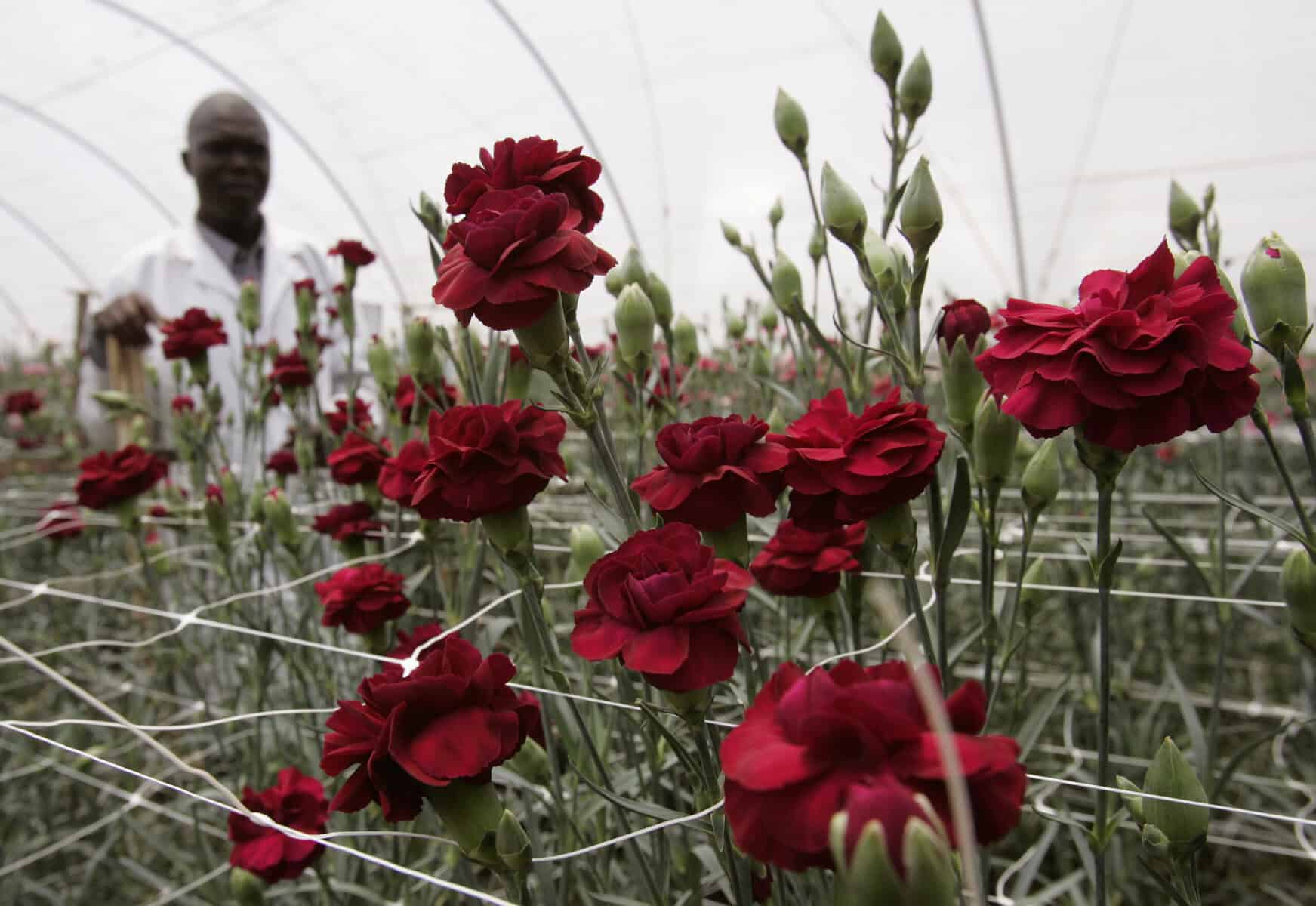
The local economy has grown dramatically since the late 1980s when the first commercial flower farms were established in the area, around 90 km (55 miles) north west of Nairobi.
Today, the Lake Naivasha region is the country’s biggest hub for floriculture, earning billions of Kenya shillings for farm owners, creating unprecedented job opportunities and drawing thousands of migrants from other parts of the country.
According to the Kenyan Horticultural Crop Directorate (HCD), Kenyan growers exported 122,825 tons of cut flowers worth 62.9 billion Kenya shillings ($620 million) in 2015. An estimated 500,000 people are employed by the industry, which generates 1.2 percent of gross domestic product (GDP).
For Naivasha Maasai pastoralists, however, the push by big farming companies has not sparked opportunity but panic that their traditional semi-nomadic lifestyle could be at risk.
In many parts of East Africa, governments are pushing for pastoralist communities to switch to settled farming with supporters saying such a move will create better food security, curb conflict between herders and farmers, and free up land.
Critics, however, say switching from pastoralism to settled farming could make communities less resilient to climate change.