


Coronavirus is changing the world in unprecedented ways. Subscribe here for a briefing twice a week on how this global crisis is affecting cities, technology, approaches to climate change, and the lives of vulnerable people.
By Aadesh Subedi
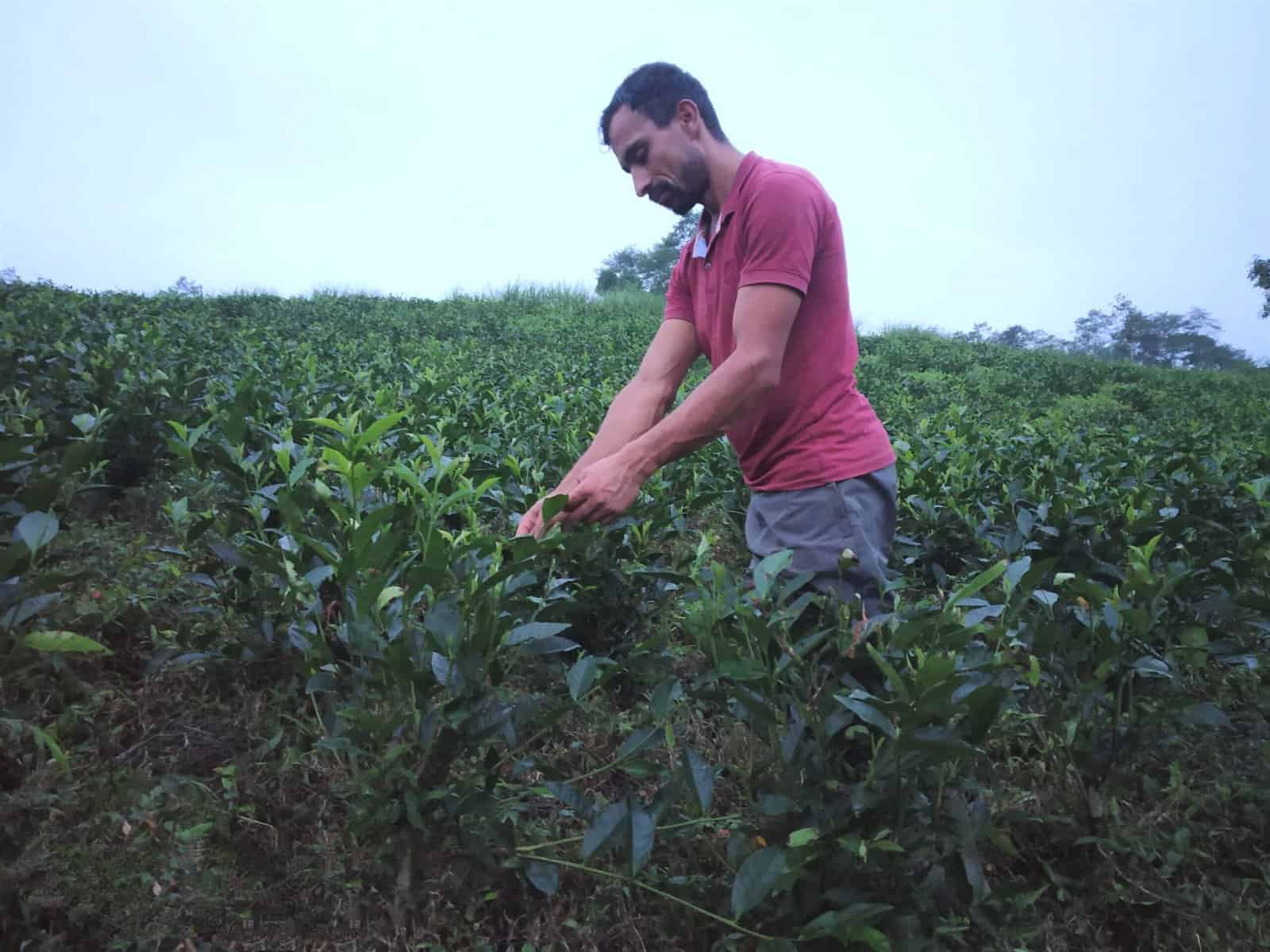
ILAM, Nepal, Sept 16 (Thomson Reuters Foundation – In the 25 years he has grown tea in eastern Nepal, Yuvraj Gautam never had a yield this low.
First, diseases such as leaf curl and black tip attacked the crops on his three-hectare (seven-acre) farm in Ilam district – and when it was time to harvest the tea that survived, workers were hard to find due to Nepal’s coronavirus lockdown, he said.
Then, in July, heavy rainfall across much of the country caused a landslide that swept away a portion of his crop.
As a result, Gautam expects to bring in 200,000 Nepalese rupees ($1,700) less than he did last year.
“If production continues to decline and marketing becomes difficult, it will be harder for me to pay the labourers,” said the 40-year-old farmer.
Already struggling with rising pest infestations, tea farmers in eastern Nepal have suffered a double hit this year as severe rains since May and the pandemic’s ripple effects have slashed their yields and diluted the quality of their product.
So far in 2020, Nepal has seen a 30-40% decline in its tea harvest compared with a year ago, according to Indra Adhikari of the state-run National Tea and Coffee Development Board (NTCDB).
Adhikari, who is regional manager for Ilam, one of Nepal’s main tea-producing regions, noted that tea plants grow in “flushes”, harvested several times a season. The initial flushes are higher quality than the later ones.
In recent years, the dormant periods between flushes have lengthened, giving the plants less time to re-grow in each cycle, Adhikari said, pointing to climate change as the cause.
On top of that, short bursts of intense rainfall have become more common, water-logging fields and causing defects in the tea plants, he added.