

By Adela Suliman
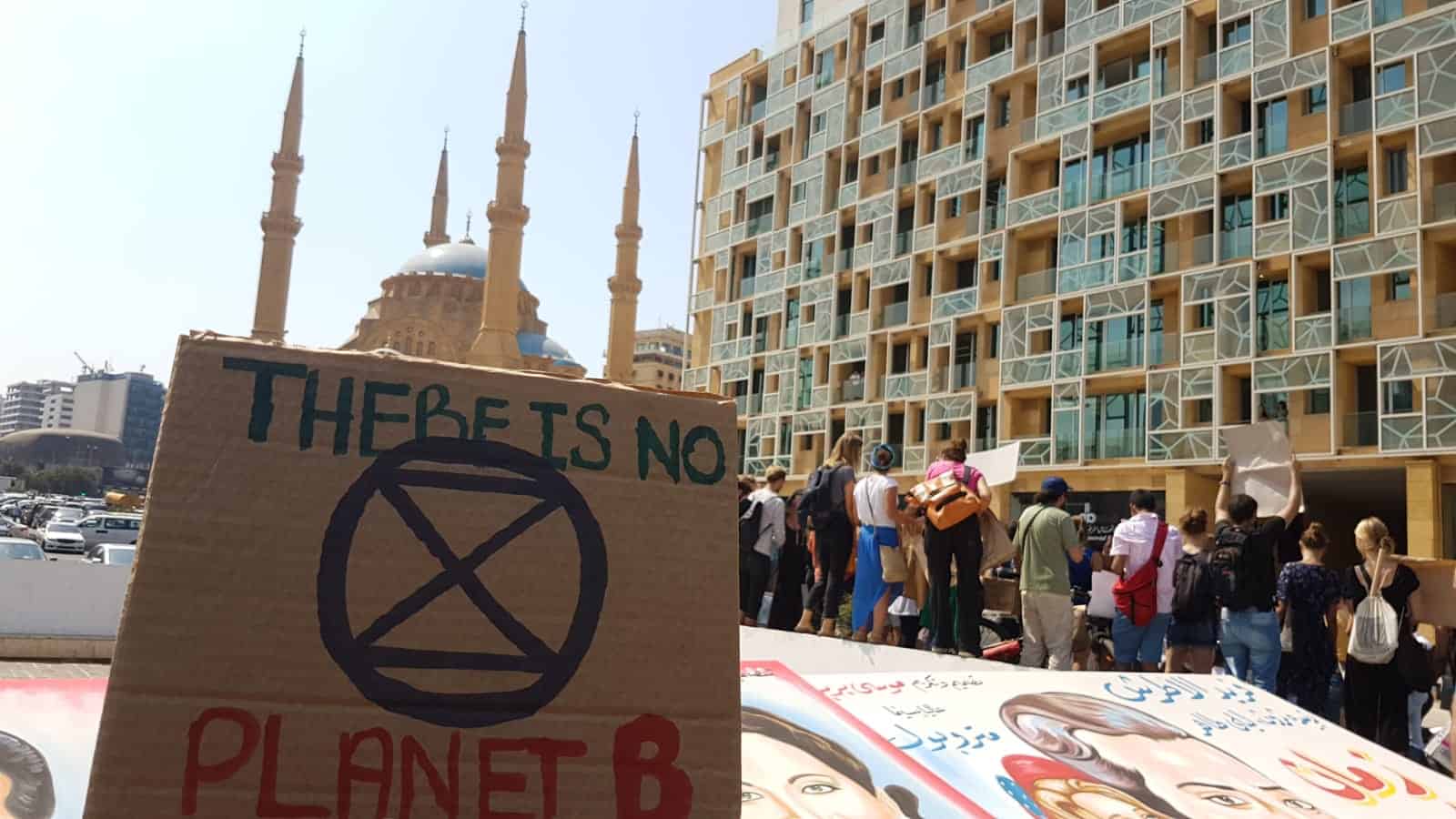
LONDON, Nov 9 (Thomson Reuters Foundation) – Extinction Rebellion, the grassroots green movement that has blocked city roads, nursed babies outside corporate headquarters and put climate change firmly on the political map in capitals from London to Madrid, is now gaining ground in the Middle East.
Off-shoots of the group that advocates peaceful protest as a way to pile on pressure to curb global warming are sprouting from Beirut to Doha, as activists in the oil-rich region want governments to ditch fossil fuels for renewable energy sources.
“Governments are not going to do anything unless they see that people themselves want that change – that’s how any movement starts,” said Iman, a member of the newly formed Extinction Rebellion (XR) group in Qatar who declined to give her full name for security reasons.
“There’s a very large number of Qataris who are very passionate about sustainability and who want to see change implemented but they also acknowledge the challenges to it – whether that be political or simply cultural,” she said.
The gas-rich Gulf State, with a population of about 2.7 million, emits more carbon dioxide per person than any other nation globally, according to World Bank data, while across the region, countries suffer blistering heat and water shortages.
As host of the 2022 football World Cup, Qatar is looking at ways to reduce carbon emissions linked to the event and execute a 2030 national plan to curb its carbon footprint.
Extinction Rebellion launched in London in 2018, inspiring waves of disruptive action around the world pushing for rapid cuts in carbon emissions, with the protests leading to thousands of arrests.
In Qatar – a country where protests are illegal – the nascent group acknowledges it will not be able to carry out large-scale civil disobedience like other XR groups.
But Iman said the plan is to change hearts and minds through public advertising campaigns and lobbying decision-makers.
“It’s a little harder to be more vocal about issues such as sustainability, especially when you’re in an oil-rich region,” said the 19-year-old student. “There are constraints.”
Despite a social emphasis on consumer culture, she said, there is growing public awareness in Qatar around waste – and a willingness by young people especially to shoulder more responsibility for the global climate crisis.