

By Rachel Savage
LONDON, July 18 (Thomson Reuters Foundation) – Nahia Riviera was thousands of miles from home in a Norwegian centre for asylum seekers last December trying to flee the United States, where she no longer felt safe, when she said she was sexually assaulted.
Riviera, a transgender woman, said strangers’ verbal abuse, her poor mental health and U.S. administration policies such as a ban on new trans military members left her feeling she had to leave.
“I feel like I’m forced to hide,” Riviera told the Thomson Reuters Foundation by phone. “(It) was the only option to live.”
Trans asylum seekers have recounted assaults, harassment and abuse in immigration facilities in the United States and Britain and refugee camps in Europe, after being held with men who targeted them for their gender identity.
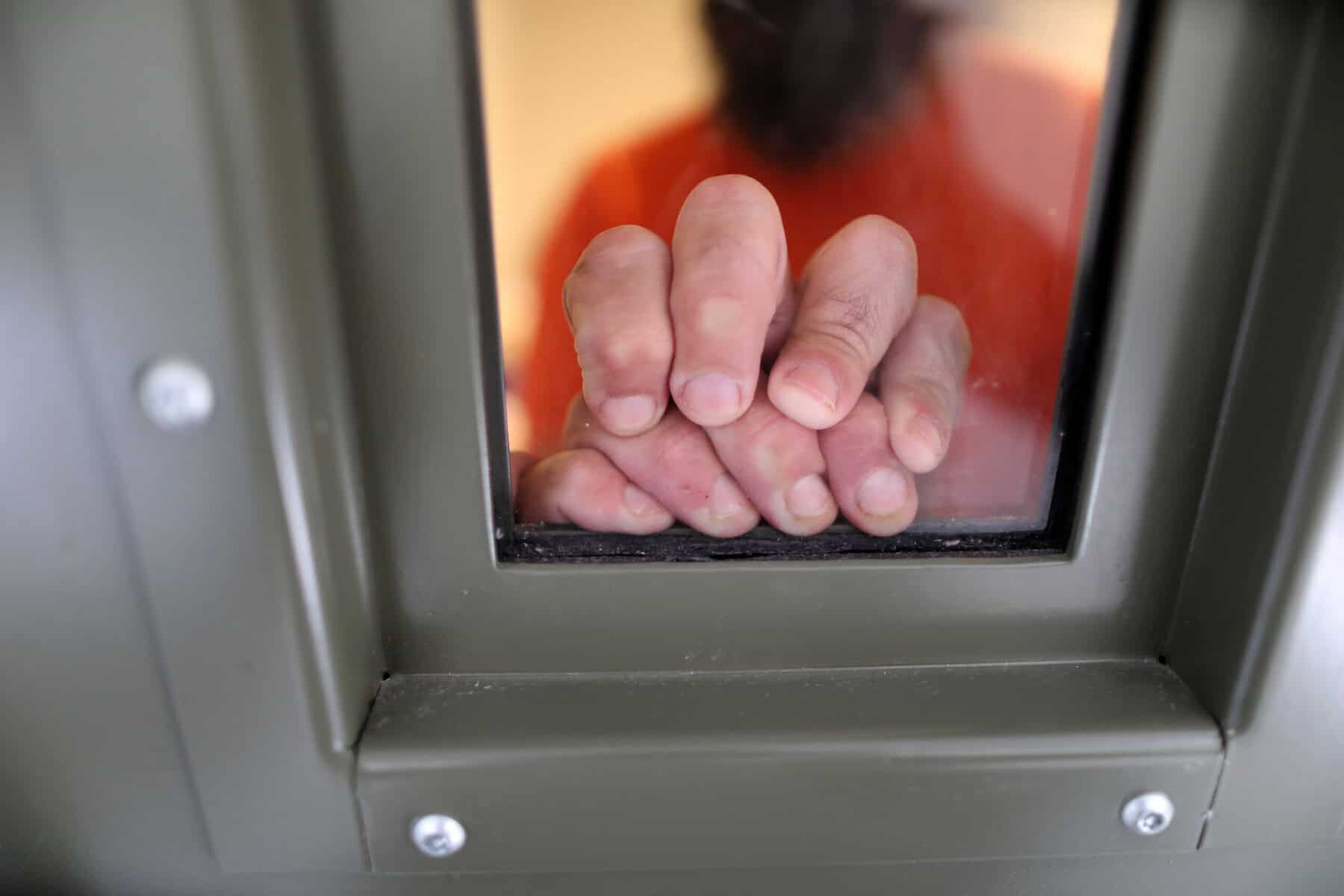
Of 28 U.S. facilities that held 112 trans people as of May 28, only two were designed to keep trans people separate, but even there they remain vulnerable.
In a letter sent in March by the American Civil Liberties Union (ACLU) and other advocates to government agencies, 12 trans women and gay men in a U.S. immigration centre reported experiencing “rampant sexual harassment.”
Sexual assaults on trans women in U.S. custody were also documented by advocacy groups Human Rights Watch in 2016 and the National Center for Transgender Equality in 2015 and 2013.
And at least one instance of a trans asylum seeker housed with men who was raped has been documented by Transgender Europe, a regional advocacy group, while media has reported on trans people being attacked in Greek refugee camps.
The UK Lesbian and Gay Immigration Group (UKGLIG) has recorded at least two incidents of trans and intersex asylum seekers being sexually harassed in British asylum accommodation, with others suffering verbal abuse.
LGBT+ people “can find themselves locked up alongside people with the exact same prejudice, hostility and harassment that they are trying to escape,” said Leila Zadeh, executive director of the UKGLIG.
“These are people that are coming from horrific trauma-inducing experiences,” said Nicolas Palazzo, a lawyer at Las Americas Immigrant Advocacy Center in Texas, who represents another trans woman, Elena.
Elena (not her real name), a 27-year-old Salvadorean, said she was detained in West Texas Detention Center in the United States in February after fleeing death threats.
“There’s somewhat of a cruel irony that they come here, and they experience this,” Palazzo said.
From October through May, nearly 300 self-identified trans people, mostly women, were in U.S. Immigration and Customs Enforcement (ICE) custody, some 20 percent more than in the previous year.
Speaking with the Thomson Reuters Foundation from the Texas facility by phone in May, Elena she said that she was one of three trans women sleeping in a corner of a room with about 120 men.
“Some are vulgar, some are homophobic,” said Elena, who was released by ICE in June. “Others bully us.” Male guards treated her as a man and laughed at her.
Forced into prostitution when she came out as trans as a teenager, Elena was gang raped, shot and left for dead by a gang two years ago.
She agreed the centre’s food and medical treatment was good, but she could not access gender transition hormones like in El Salvador. She became depressed as her body became more masculine.
Andrew Lorenzen-Strait, deputy assistant director of custody management for Immigration and Customs Enforcement (ICE), told the Thomson Reuters Foundation, “I can tell you without one shred of doubt that ICE takes very seriously the care and responsibility of this population.”
While declining comment on specific cases, he said, “Any time we hear any type of allegations of mistreatment, we look into it, take appropriate action and we try to remedy it.”
Still, a second trans asylum seeker who was HIV-positive died in U.S. custody in June. Advocates said Johana Medina Leon’s death was evidence that trans detainees suffered “severe medical neglect”.