

By Thin Lei Win
BANGKOK, Aug 30 (Thomson Reuters Foundation) – In Mongolia, herders living outside the capital Ulaanbaatar, near the Tuul River, fear deteriorating water quality is making their livestock sick.
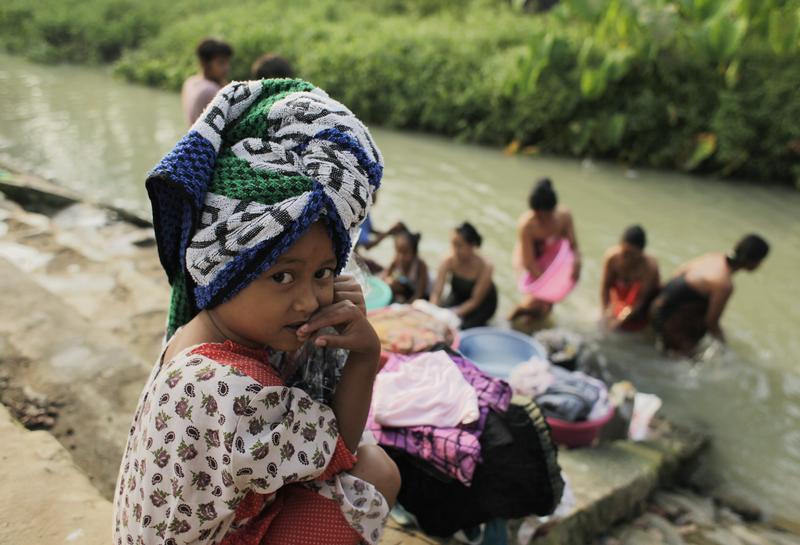
In Indonesia, shrimp farmers in Serang who rely on the Ciujung River have seen their catches fall, and some have developed skin problems.
In south-central Thailand, villagers near the Map Ta Phut Industrial Estate, home to petrochemical plants, oil refineries and coal-fired power stations, worry that their water is heavily polluted.
Concerned about their health, these communities sought clarification and information from their governments about pollutants being released into the environment, overall water quality, the risks of using such water, and information on the companies thought to be responsible.
In each case, they were thwarted, despite their countries having extensive legislation on citizens’ right to information, including environmental data, said a new report by the World Resources Institute (WRI), a U.S.-based think tank.
Villagers faced obstacles – from having to pay to access documents, to lacking an internet connection for online information, and needing to understand and use freedom of information laws, the report said.
Sometimes, the data was unavailable publicly or presented in a language communities could not understand.
When information was released, it was often poor, technical and did not meet local people’s demands, said the report issued on Wednesday.
“Access to information is really the foundation for any kind of meaningful public participation or accountability in environmental decision-making,” Elizabeth Moses, the report’s co-author, told the Thomson Reuters Foundation.
In Thailand and Mongolia, people who request information are asked to come to the environment ministry to pick it up, even though some live hours away and do not have the money or time to travel, added the WRI specialist in water governance.
Thai agencies may also refuse to release environmental information that is classified as secret.
As a result, millions of people in Indonesia, Mongolia and Thailand could be drinking unsafe water with long-term repercussions for their health and livelihoods, Moses said.
These problems reflect the struggles experienced by rural communities across the developing world who want information regarding clean water, she added.