

By Thin Lei Win
ROME, Dec 31 (Thomson Reuters Foundation) – Driving less. Opting for trains instead of planes. Cutting down on red meat and consuming more locally grown food. Buying less but spending more on sustainable products.
If these preferences from multiple surveys with tens of thousands of people across Europe are anything to go by, 2021 might be the year when consumer behaviour makes a significant shift towards eco-friendly living.
The findings suggest now could be the time for policy makers and green activists to jump-start a lasting transition to tackle global warming alongside social and economic inequalities, researchers told the Thomson Reuters Foundation.
“We have a moment of opportunity to lay out a platform, which addresses some of the changes that people are now ready to make,” said British author and University of Oxford historian Timothy Garton Ash, who led the team behind one of the opinion polls.
The transformation could cover travel, work environments and consumption patterns, as well as addressing “the discontent about inequality, community and identity”, he said in a phone interview. “If we’re clever, we will seize the chance.”
His September survey of more than 13,000 people in 28 European nations found two in three would support a ban on short-haul flights if the destination can be reached in 12 hours by train.
More than half said governments should only support national airlines financially if the bailouts have environmental strings attached, such as phasing out fuel-inefficient aircraft.
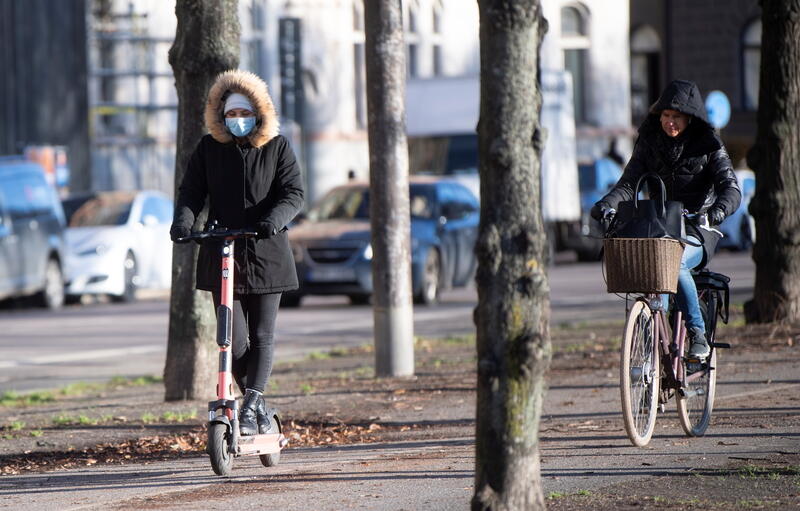
Nearly half would support pedestrianising city centres and more than 50% would use their car less often, while nearly two-thirds would be prepared to reduce meat consumption.
Some trends, like sustainable eating, are not new, but this year’s devastating global pandemic – which upended daily life in an unprecedented manner – has “strengthened and accelerated” them, said Klaus Grunert from Denmark’s Aarhus University.
And many of the new habits could stick, said Grunert, a professor at the Department of Management who has been conducting research on consumer behaviour for decades.
“Habits function in stable environments. When the environment becomes disrupted, they change more easily,” he said. “The pandemic has been a disruptive event … so it’s a good situation for behavioural change.”