


* Phuket tourism businesses push for early vaccines
* Online petition faces social media backlash
* Thailand tourism numbers plunged 83% last year
By Rina Chandran
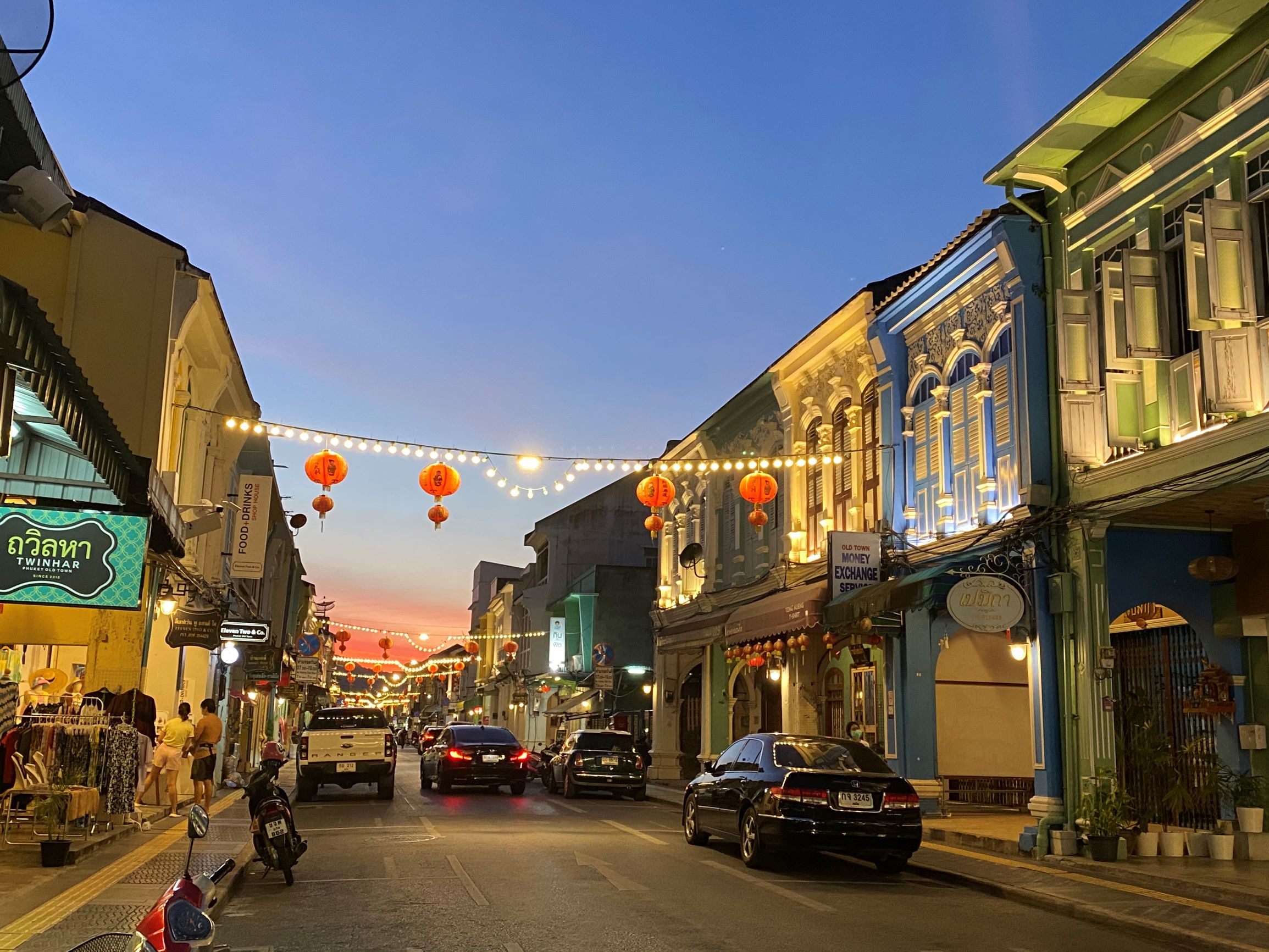
PHUKET, Thailand, March 10 (Thomson Reuters Foundation) – A year after Thailand closed its borders to contain the coronavirus pandemic, Phuket’s famous Walking Street, lined with colourful shophouses, is empty, its white sand beaches deserted.
But a proposal by local businesses to vaccinate a majority of the island’s adult population of about 300,000 before Oct. 1, in time for the main tourist season so that inoculated foreign visitors may holiday without quarantine, could change that.
The Thai government, which kicked off vaccinations on Feb. 28 and sent some doses to tourism-reliant provinces including Phuket, has not agreed to the “Phuket First October” plan.
Human rights groups and others have criticised the idea.
“The Phuket economy relies 80%-90% on foreign tourists, but we accepted that we must keep our people safe, even though we have struggled a lot in the past year,” said Bhummikitti Ruktaengam, president of the Phuket Tourist Association (PTA).
“But now, more people are getting vaccinated, and the only way to restart the economy is to let these tourists in without a quarantine, after we have ensured the local people are safe,” he told the Thomson Reuters Foundation.
The private sector has the resources to secure vaccines for 70% of Phuket’s local population and have them inoculated before Oct. 1, faster than the government’s proposed timeline, he said.
“We cannot afford to lose out on another high season,” said Bhummikitti, referring to the period from November to March when the majority of foreign tourists generally visit.
Tourism makes up about 11% of Thailand’s economy. Visitor numbers last year plunged 83% from a year earlier, prompting widespread job losses and business closures, and contributing to the nation’s deepest economic contraction in over two decades.
Tourism Minister Pipat Ratchakitprakarn has said up to 100,000 doses of vaccine in the first tranche have been reserved for hospitality workers in provinces popular with foreign tourists, including Chiang Mai and Phuket.
Authorities had earlier said vaccine doses would initially be limited to frontline health workers and vulnerable populations in areas hardest hit by the coronavirus.
“It’s not fair,” said Matcha Phorn-in, a human rights activist in Chiang Mai, who presented a petition to parliament last year on the uneven impact of the pandemic on ethnic minorities who do not receive government aid.
“Instead of prioritising the most vulnerable populations first, the rollout is leaving behind marginalised communities like migrant workers and stateless people,” she said.
PUSH TO SIGN PETITION
Worldwide, as vaccines roll out, migrants, ethnic minorities and undocumented workers are among those at risk of being left out, according to aid agencies and humanitarian groups.
In the Asia-Pacific region, nations must prioritise teaching staff after frontline health workers and vulnerable populations, global charity Save the Children has said, because of the increased risks of sexual exploitation and child marriage.
Yet Thailand is not the only country that is pushing for a revival in tourism to bolster its economy. Hospitality industry workers and taxi drivers in Bali, Indonesia, are also getting their jabs earlier than other sections of the population.