

By Michael Taylor
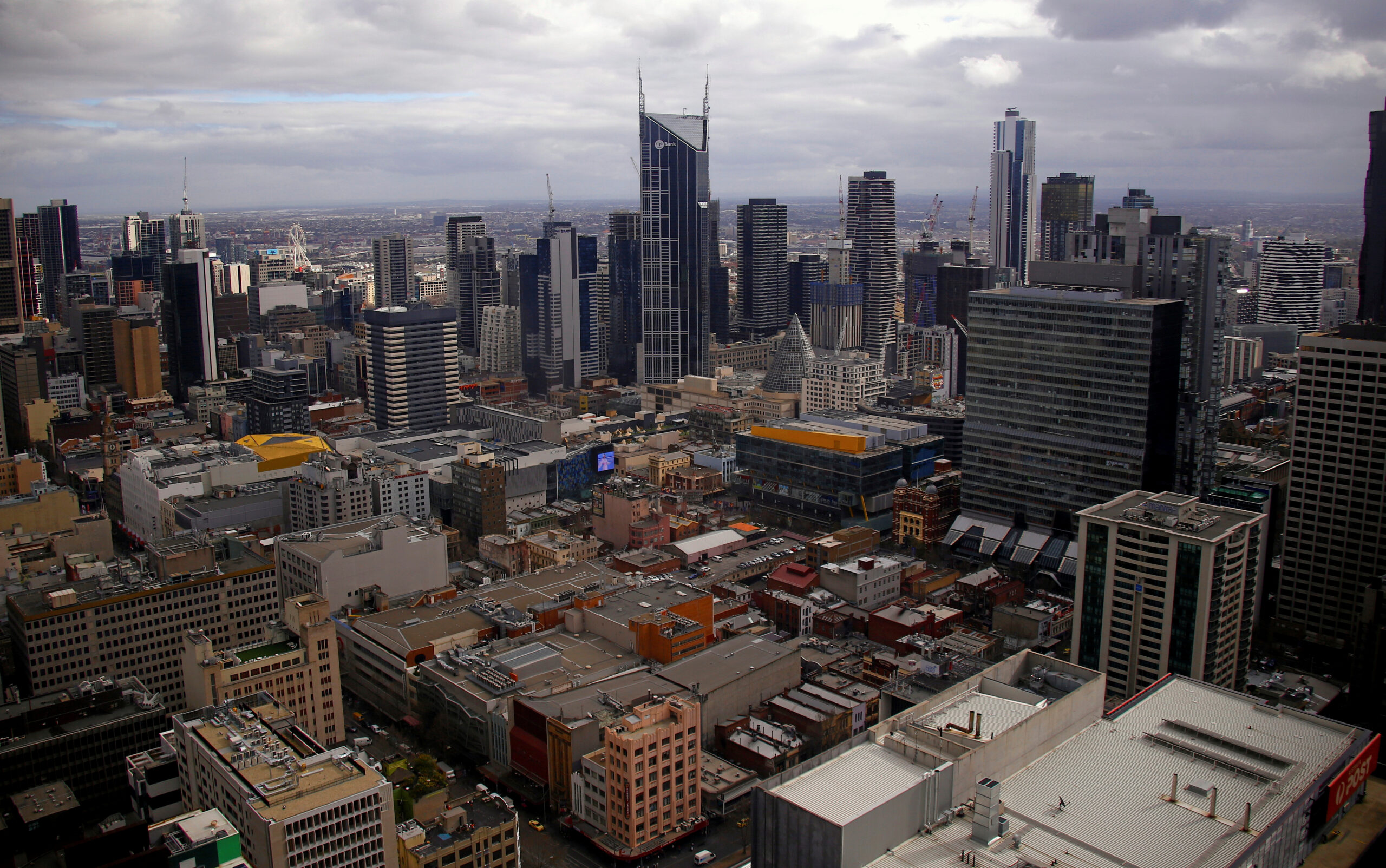
KUALA LUMPUR, July 10 (Thomson Reuters Foundation) – In an ideal world, Alex Fearnside would cycle home from work, park his bike in the basement of his apartment complex in Melbourne city centre, then jog upstairs through a beautiful courtyard to his flat, stopping only for a quick chat with other residents in the shared dining area.
Later, Fearnside and his wife would head down to the communal kitchen to eat a meal cooked by their neighbours.
Fearnside’s ten-year-old dream for life in the Australian city is nearing reality as it awaits planning approval. It is shared by 50 other Melbourne residents who belong to Urban Coup, a collective that wants to turn a disused button factory in an old industrial area into a co-housing community by 2020.
“What is driving us is we want to know our neighbours,” said the 38-year-old environmental scientist. “We want to know that as we’re growing old, we have people around us who have similar values to who we are and what we bring.”
Urban Coup is one of five innovative housing initiatives that put community at their heart.
The projects are supported with expertise and networks mobilised by Resilient Melbourne, part of 100 Resilient Cities, a network backed by The Rockefeller Foundation to help cities deal with modern-day pressures.
This year, more than half of Asia-Pacific’s population will be urban, and that figure will increase to two-thirds by 2050, the United Nations estimates.
But as the region’s cities continue to expand, services and infrastructure are struggling to keep pace with rising populations and economic growth, while the effects of climate change have created additional challenges.
The Melbourne projects aim to help find solutions to the city’s expanding urban sprawl, worsening traffic congestion and growing social isolation – all of which can contribute to problems like alcoholism and domestic violence.
And by building stronger community bonds, Melbourne should be better placed to recover from potential shocks and stresses, such as rising temperatures and droughts, infrastructure failures and potential pandemics, the schemes’ proponents say.
“Many of the people who started Urban Coup remember growing up on streets where they knew everybody on that street,” said Fearnside. “We wanted a building that would enable us to know our neighbours and allow us to support each other.”